

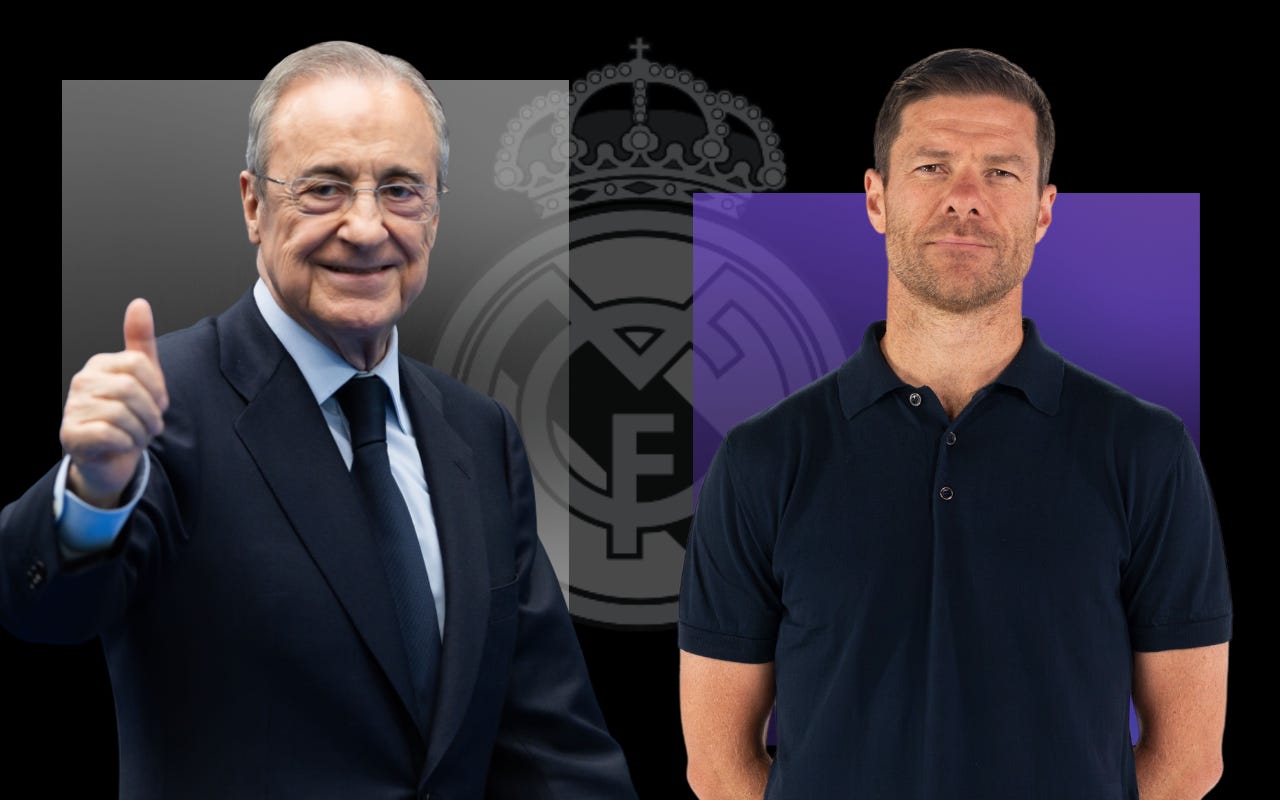
Xabi Alonso’s Real Madrid failure tells us more about the club than the coach
There are football clubs that demand excellence, and then there is Real Madrid. The difference matters. Excellence allows for method, patience and evolution. Real Madrid, under the long shadow of Florentino Pérez, demands obedience, theatre and instant gratification. When those needs are not met, reason rarely enters the discussion.
That is why Xabi Alonso’s dismissal feels both absurd and inevitable. Absurd because the conditions he inherited bordered on unworkable. Inevitable because Real Madrid does not tolerate projects, systems or coaches who seek to reshape power rather than flatter it.
I detest the way this club operates. Not because of its success, which is undeniable, but because of the arrogance that frames success as proof that nothing else matters. Alonso did not fail at Real Madrid. He collided with an institution that mistakes control for wisdom and celebrity for cohesion.
Power, not football, decides outcomes at the Bernabeu
Alonso arrived in Madrid with credibility, clarity and a modern view of the game. His work at Bayer Leverkusen was not decorative or lucky. It was built on structure, physical intensity and collective responsibility. Players worked without the ball or they did not play. Shapes were drilled. Roles were non negotiable.
Real Madrid hired him knowing this, or claiming to. They even recruited younger players supposedly suited to that approach. But what Madrid never truly does is submit to a coach. The manager is tolerated only while results protect the hierarchy from scrutiny.
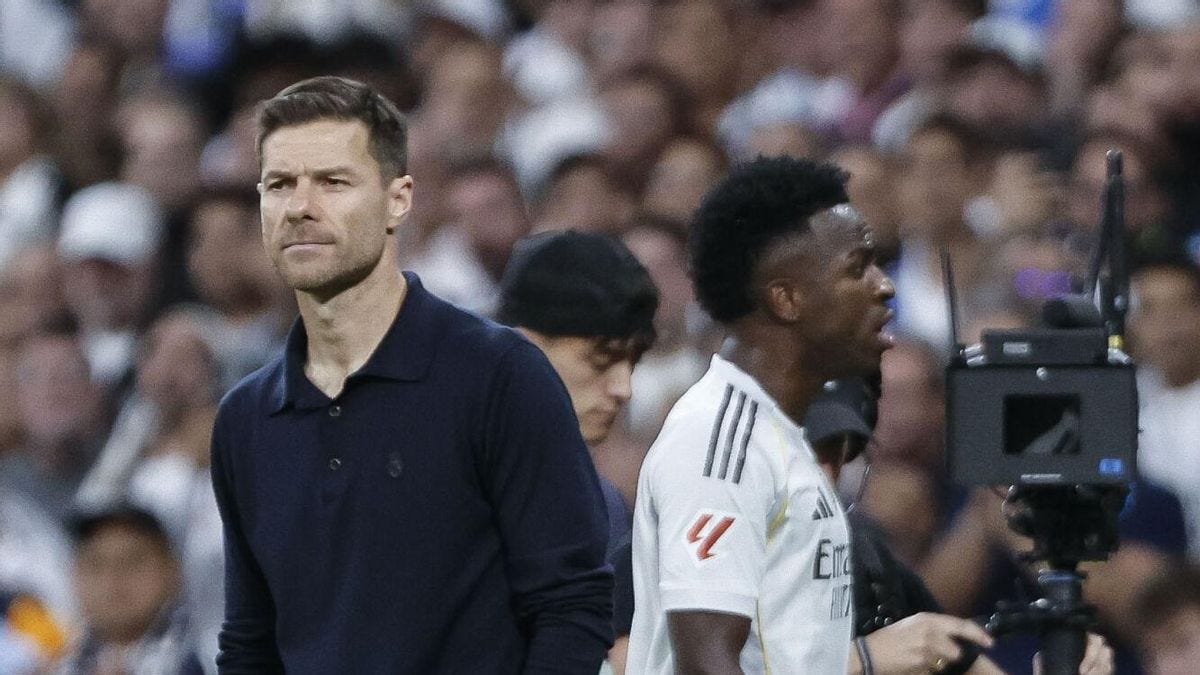
The moment Alonso challenged player privilege, the clock started ticking. Substituting Vinícius Junior for tactical reasons should have been a routine decision. At Madrid it became an act of defiance. The club’s refusal to back the coach publicly sent a message to the dressing room, authority stops above you, not with you.
This is where Madrid becomes unmanageable for system coaches. When elite players learn that compliance is optional, standards collapse. When entourages carry as much weight as training ground performance, football becomes secondary. Alonso was asked to impose discipline without being granted power. That is not leadership, it is sabotage by indifference.
The chaos extended well beyond the pitch. Training schedules disrupted by commercial commitments. A Club World Cup shoved into what should have been a bedding in period. Injuries mounting under a muddled medical hierarchy. Tactical plans abandoned because there was no time to rehearse them properly. Alonso was adapting weekly to circumstances he never controlled.
Madrid’s defenders will point to trophies, as they always do. But trophies do not excuse dysfunction, they conceal it. Winning in spite of chaos is not proof that chaos is good. It merely proves how strong the individual talent remains.
Why Xabi Alonso was always walking into a trap
Alonso’s mistake was not tactical. It was believing that Real Madrid wanted change rather than confirmation of its own myths. The club wanted the aesthetic of modern football without the discomfort that comes with accountability.
His preferred back three needed repetition and trust. He never got either. Players who did not press were indulged. Others were asked to compensate. Midfield balance was distorted by injuries and constant reshuffling. Key leaders were absent or sidelined. Young players were thrown in without the protection that comes from a settled environment.
In that context, results became misleading. Wins masked incoherence. Losses became weapons. Each setback was treated as proof that the coach was the problem, not the ecosystem.
There is also something deeply revealing in how quickly Alonso was discarded once he stopped being useful as a symbol. He had been sold as a bridge between eras, a former player who understood the club’s soul. When he failed to act as a custodian of ego, that narrative evaporated.
Real Madrid does not want a manager who reshapes the club. It wants one who interprets the president’s will on the training pitch. That works best with figures like Carlo Ancelotti or Zinedine Zidane, men who soothe rather than confront, and who understand that authority at Madrid is borrowed, never owned.
Alonso does not fit that mould. He never has.
Liverpool shaped for Alonso, but only at the right moment
What matters now is not what Alonso leaves behind in Madrid, but what he has learned. And he will have learned something invaluable. No system works without time. No authority survives without backing. No elite dressing room can be managed on reputation alone.
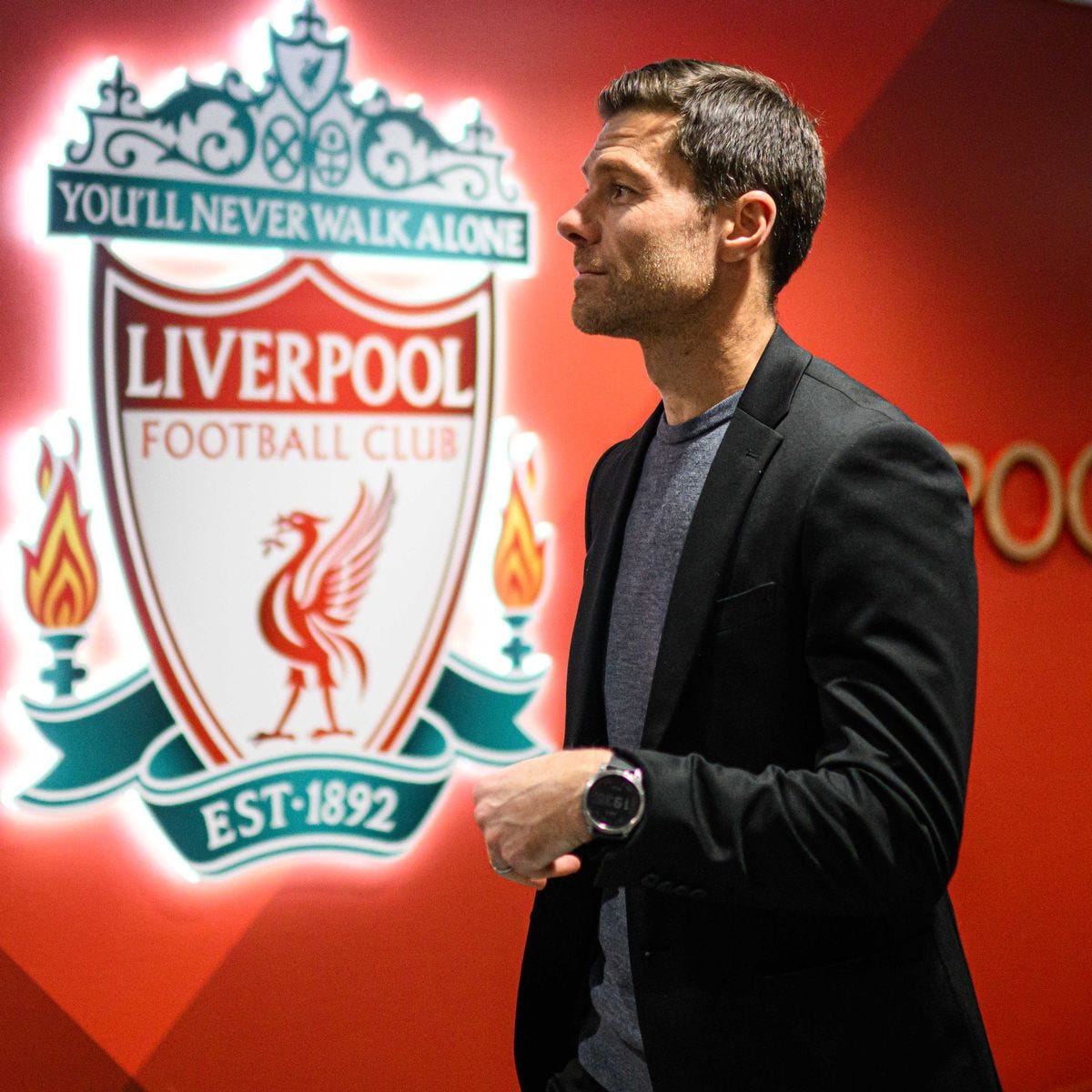
That is why I fully expect Alonso to become Liverpool manager, but not immediately.
Liverpool is a fundamentally different institution. Even amid recent turbulence, it remains a club that understands the value of alignment. Recruitment, coaching and culture have historically pulled in the same direction. When that breaks, the consequences are visible, but so is the intent to repair it.
Alonso suits Liverpool precisely because he demands clarity. He wants profiles, not stars. He wants movement, not indulgence. He wants players who accept that work without the ball is not optional. That ethos still resonates at Anfield in a way it never truly could at the Bernabeu.
However, timing matters. Taking over mid-season or in a compressed calendar would repeat the Madrid error. Alonso needs a full pre-season, a clear recruitment window and the authority to shape the group before results dictate the mood. Liverpool would be wise to wait until summer, even if impatience grows.
Replacing Arne Slot should not be framed as an emergency fix. It should be a deliberate transition. Alonso’s experience at Madrid will have reinforced that lesson brutally.
There is also a broader point here about Premier League suitability. Alonso understands the league. He played in it. He respects its physical demands. His Leverkusen side thrived on intensity, structure and adaptability. Those traits translate. Madrid’s culture of entitlement does not.
Ego driven clubs eventually pay the price
There is a temptation to say that Real Madrid always wins, so criticism is futile. I reject that entirely. The club wins because it has resources and history, not because its governance is admirable. The two are not the same.
Pérez has built a machine that prioritises control above coherence. Coaches are expendable. Medical departments are politicised. Football decisions are filtered through commercial optics. That can succeed in short bursts, but it corrodes trust and clarity over time.
Alonso’s sacking is not a warning to ambitious coaches; it is a warning about Real Madrid itself. A club so convinced of its own supremacy that it confuses domination with intelligence. A club that believes adaptability is weakness, unless it comes from the manager alone.
For Liverpool supporters watching from afar, there is reason for patience rather than frustration. Alonso would arrive stronger for this experience, more ruthless about conditions, and less willing to compromise his principles. That is precisely what Liverpool will need in the next phase of its evolution.
Real Madrid will move on as it always does, loudly and without reflection. Alonso will move on quietly, with his reputation largely intact among those who understand football beyond headlines.
In the long run, that difference matters far more than any dismissal notice issued from an executive office in Madrid.