

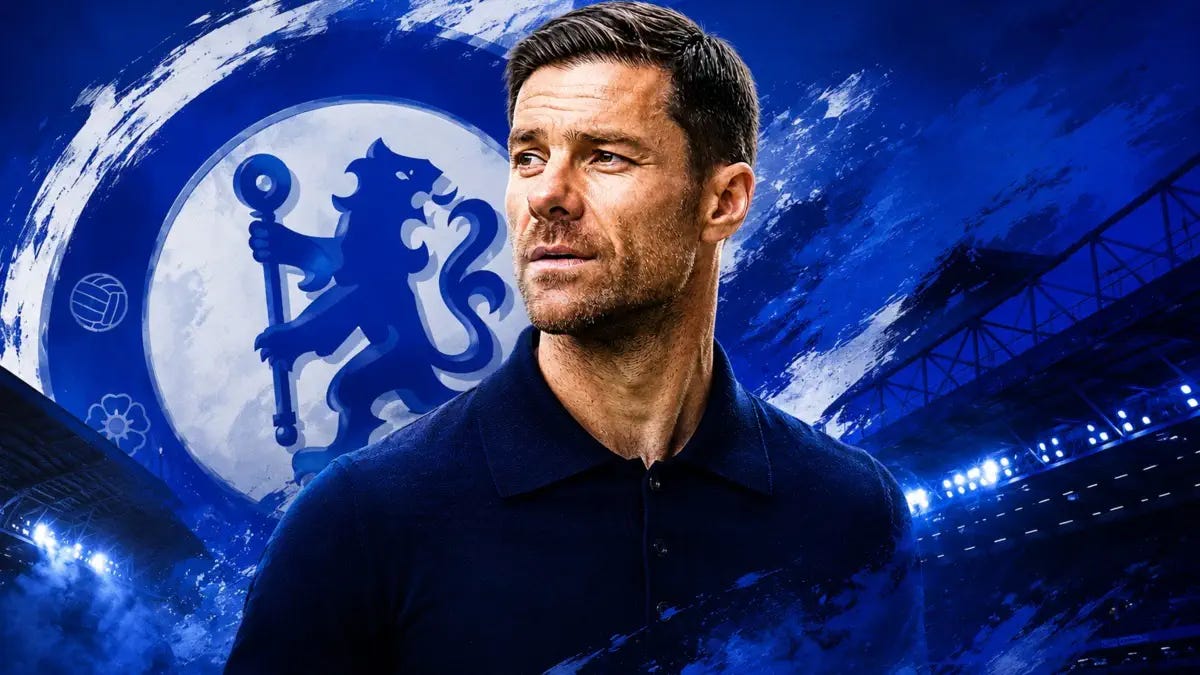
Chelsea supporters have spent four years being sold dreams in expensive packaging. Every six months there has been another plan, another vision, another explanation for why patience is required while hundreds of millions disappear into transfer fees and managerial pay offs.
Now comes Xabi Alonso, a coach with genuine pedigree, real authority and the sort of football intelligence that cannot be manufactured by public relations departments or recruitment presentations.
On the surface, Chelsea have pulled off something remarkable.
They have persuaded one of the most sought after young managers in Europe to take over a club drifting through mediocrity, confusion and permanent self sabotage. This is not an ambitious Championship coach desperate for the opportunity of a lifetime. Alonso had options. He carries the aura of a serial winner from his playing days and enough tactical credibility to command elite dressing rooms.
That matters.
Chelsea have spent years hiring coaches who arrived needing the club more than the club needed them. Alonso changes that dynamic immediately. Players will listen to him because he has done everything they dream of doing. Owners will have to treat him differently because his reputation carries weight outside Stamford Bridge.
Yet beneath the excitement sits an uncomfortable question.
Why were Liverpool never truly convinced? Why has there been little serious noise connecting him to Manchester City as a successor to Pep Guardiola? Why has a manager viewed as one of Europe’s brightest minds ended up at a club currently functioning like a hedge fund with shin pads?
There is always context in football, but there is usually smoke before the fire.
Chelsea Remain the Biggest Problem at Chelsea
The easiest thing in football is blaming the manager.
Chelsea have become addicted to it.
Managers arrive carrying hope and leave carrying blame while the people assembling the squad continue behaving like gamblers chasing losses at three in the morning. There has been money everywhere, logic nowhere.
The recruitment strategy has looked less like team building and more like stockpiling assets before flipping them for profit. Young players, long contracts, inflated fees, endless potential. Very little balance. Even less leadership.
There are talented footballers in this squad, plenty of them. Cole Palmer can play. Moises Caicedo can play. Enzo Fernandez, Levi Colwill, Marc Cucurella, Reece James when fit, there is enough quality there for a proper coach to work with.
But football teams are not built on talent alone.
Chelsea have looked emotionally weak, tactically incoherent and mentally fragile for long stretches of this ownership era. Too many players appear disconnected from the shirt, from each other and occasionally from reality itself. There have been moments this season where the body language looked poisonous.
That should concern Alonso more than league position.
At Bayer Leverkusen he inherited a club willing to surrender itself to his ideas. At Real Madrid, by all accounts, he struggled once dressing room politics and superstar egos entered the equation. That matters because Chelsea’s dressing room currently resembles a collection of expensive individuals rather than a unified football team.
If Alonso found Madrid difficult after seven months, Chelsea could feel like a three year migraine.
Gravitas Only Gets You Through the Front Door
There is a temptation to assume Alonso’s playing career automatically solves Chelsea’s authority problem.
Football rarely works like that.
Being a great player gives a manager immediate credibility, nothing more. After that, results decide everything. Chelsea supporters know this better than most. They have seen decorated names walk through Stamford Bridge before and leave bruised by the experience.
The danger for Alonso is that Chelsea remain structurally unstable regardless of who stands in the technical area.
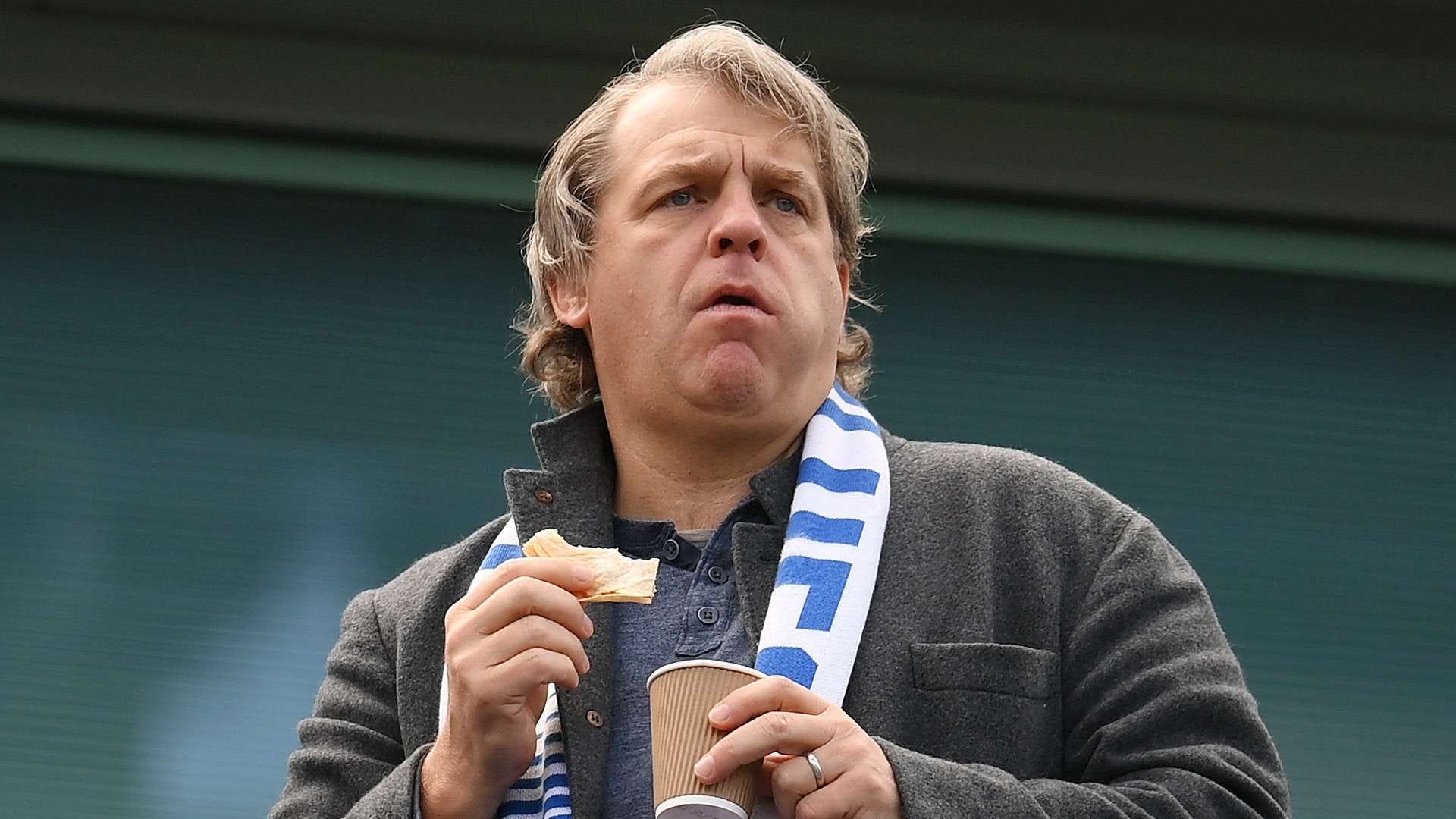
This ownership group changes direction constantly. One month the club wants patient development, the next month there is panic about missing the Champions League. They talk about long term projects while behaving like traders watching market fluctuations by the hour.
That instability infects everything beneath it.
Players stop trusting processes when managers disappear every season. Recruitment becomes reactive. Dressing rooms fracture. Agents gain influence. Standards erode quietly before collapsing all at once.
You can already sense what Chelsea are hoping Alonso becomes.
Not merely a coach, but a cleanser.
Someone with enough prestige to restore discipline, enough tactical intelligence to impose structure and enough personality to survive the noise generated upstairs. In truth, they need all three.
The concern is whether the ownership are actually prepared to give him the conditions required to succeed. Chelsea supporters have heard promises about alignment before. They have heard talk of collaboration and culture while watching chaos unfold every weekend.
At some stage words stop carrying value.
Liverpool Silence Speaks Volumes
This is where the appointment becomes fascinating.
If Alonso was the outstanding managerial talent many believe him to be, why was there never a full scale push from Liverpool?
He fits their culture naturally. He understands the club. Supporters adore him. His football philosophy aligns with the identity Liverpool spent years building. Yet despite all the emotional logic, there appears to have been hesitation.
Manchester City present another interesting angle.
For years football has searched for the next Guardiola disciple capable of controlling matches through structure and intelligence. Alonso seemed an obvious candidate for consideration whenever Guardiola eventually steps away. Yet Chelsea moved early and uncontested.
That does not automatically mean Alonso lacks elite level credentials. Football is full of timing and circumstance. But clubs operating at the very highest level usually possess information the public do not. They see personality profiles, dressing room relationships, adaptability concerns and warning signs hidden behind glossy reputations.
Chelsea either ignored those doubts or decided the upside outweighed them.
Given their recent decision making, that hardly guarantees safety.

Four Year Contract Means Nothing at Stamford Bridge
The funniest part of modern football contracts is pretending they matter.
Chelsea handing Alonso four years feels reassuring only until you remember how quickly previous plans were abandoned. Contracts today are accounting tools dressed up as commitments.
If Alonso survives beyond eighteen months, he will already have achieved something rare under this ownership.
That sounds harsh, but recent history supports it.
Managers at Chelsea operate in a state of permanent turbulence. One poor run triggers panic. One public disagreement becomes a power struggle. One bad transfer window creates another rebuild.
There are reasons to believe Alonso could improve them quickly. His tactical structure alone should make Chelsea more coherent. He understands positional football deeply, values technical security and carries enough authority to demand higher standards.
But improvement and success are different things.
Finishing fourth with this squad might already represent excellent coaching. Winning major honours requires something deeper, emotional resilience, collective discipline and institutional clarity. Chelsea currently lack all three.
The irony is that expectations around Alonso may actually help him initially. Supporters are exhausted. Most would accept competent football, Champions League qualification and visible progress after the mess of recent seasons.
That buys breathing space.
What it does not buy is immunity from the wider dysfunction hovering above the club.
Hope Has Arrived, Stability Has Not
Chelsea fans should be excited.
This is unquestionably the strongest managerial appointment of the BlueCo era. Alonso brings intelligence, charisma and enough tactical sophistication to make the squad look significantly better than it has for much of the past four years.
There is also logic in his decision.
Elite jobs are scarce. Waiting forever can damage momentum. Chelsea, despite the dysfunction, remain one of the biggest clubs in world football with enormous financial power and a talented core of players.
A coach confident in his own ability might look at the situation and see opportunity rather than danger.
Yet football history is littered with talented managers swallowed by unstable clubs.
That is the central tension here.
Chelsea supporters desperately want Alonso to represent a turning point. The ownership desperately need him to become one. The problem is that cultural rot rarely disappears because one impressive figure walks through the door carrying a laptop and a good reputation.
Alonso may improve Chelsea. He may even revive them.
But if the people above him continue operating with the same impulsive arrogance that has defined this era, then eventually he will suffer the same fate as the others.
The names change at Stamford Bridge.
The chaos rarely does.