

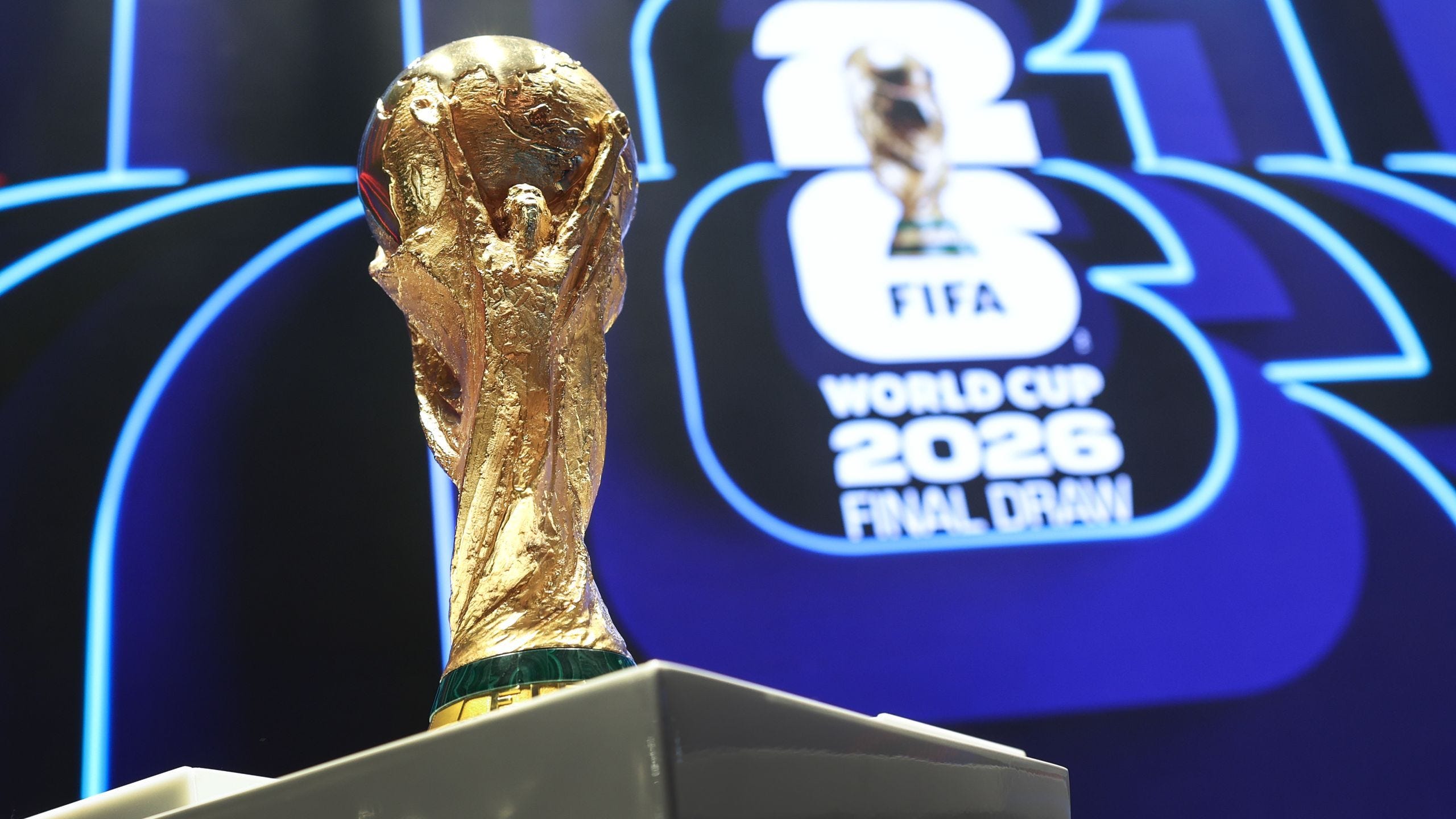
There is something raw about the play-offs. No cushioning, no long road to recover, just two matches and the full weight of a nation pressing down on every pass. Twenty-two teams remain. Six places are left. The arithmetic is simple; the consequences are not.
This is football stripped of comfort. Reputation counts for little, nerve counts for everything.
European heavyweights facing the edge
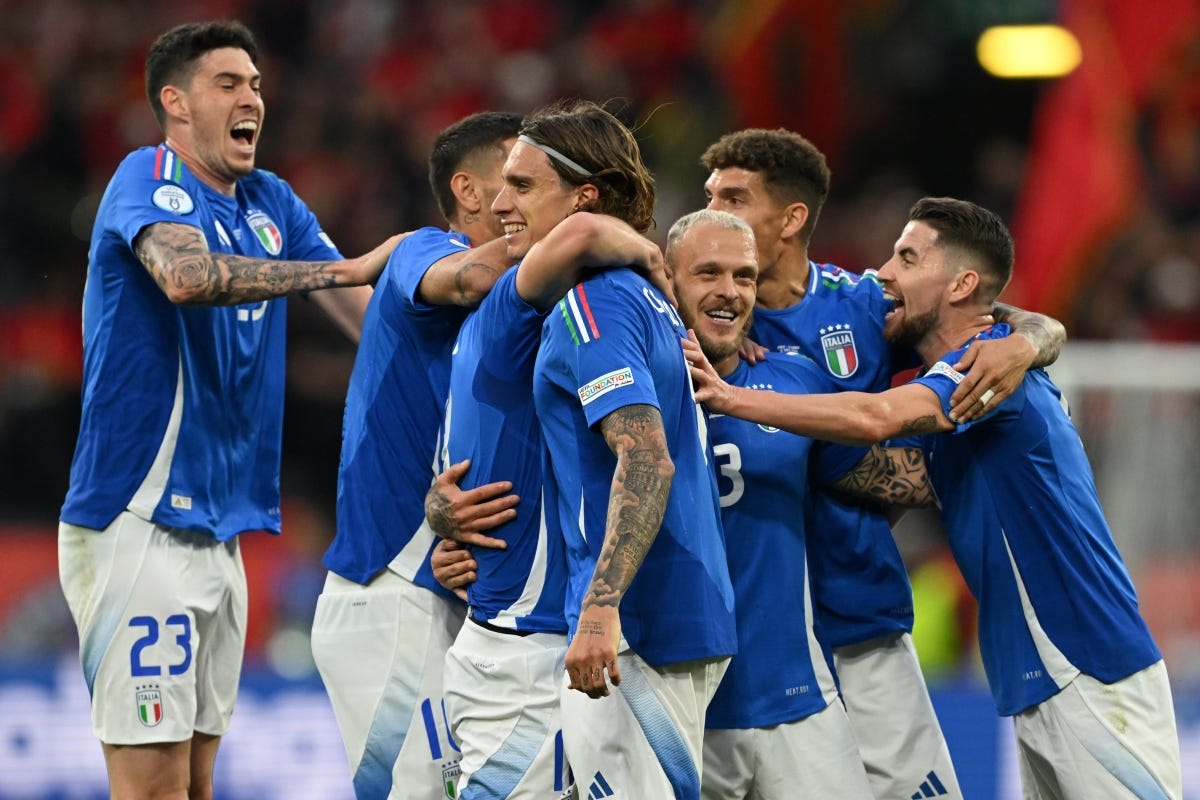
Italy arrive with a history that demands respect and a present that invites scrutiny. Four titles sit proudly in the past, yet the recent record reads like a warning. Fail here and they will have missed three consecutive World Cups, an absence that would cut deeper than any defeat. The issue is not talent, it is conviction. When the moment tightens, Italy have faltered. Northern Ireland will not fear them, they will sense vulnerability and lean into it.
Wales carry a different kind of pressure. Momentum from recent qualification has changed expectation. This is no longer a hopeful campaign, it is a demand to return. Craig Bellamy’s side must confront a stubborn record against Bosnia and Herzegovina, a team that knows how to frustrate them. Matches like this are rarely won with flair, they are taken through patience and control of emotion.

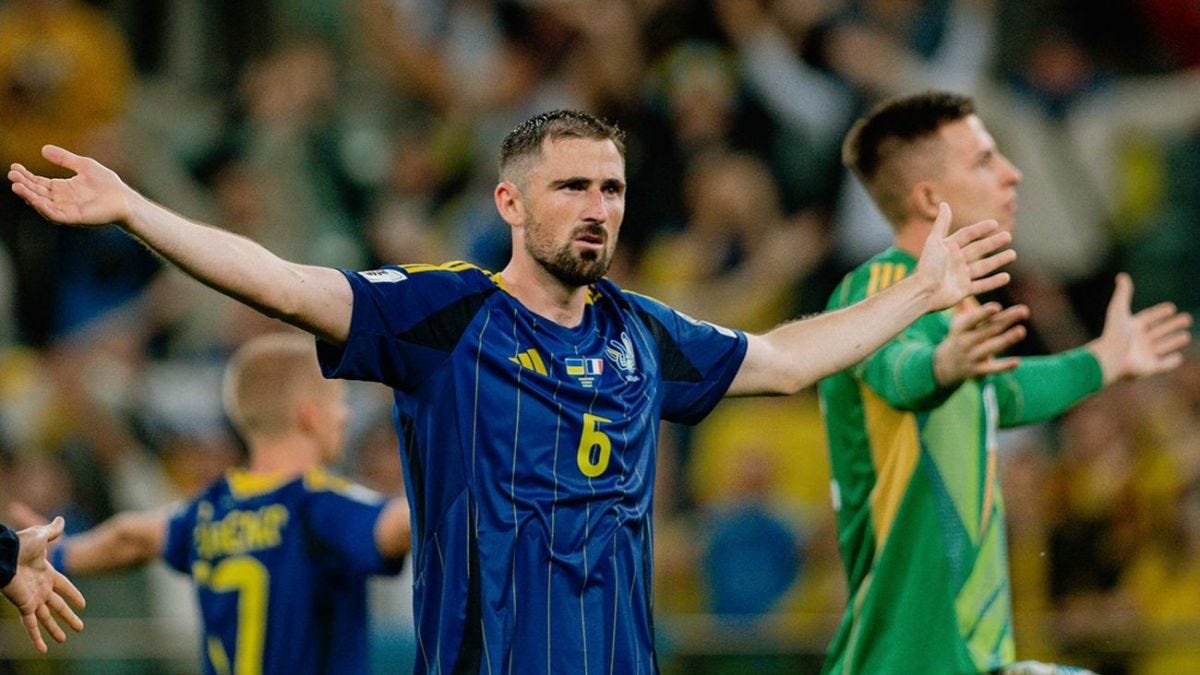
Ukraine’s situation stretches beyond football, yet within it they have built a disciplined, resilient side. Playing home fixtures on foreign soil has hardened them. Sweden, under fresh leadership, will attempt to impose structure and tempo, but Ukraine’s strength lies in their ability to absorb and respond. These are not games for aesthetics, they are games for survival.
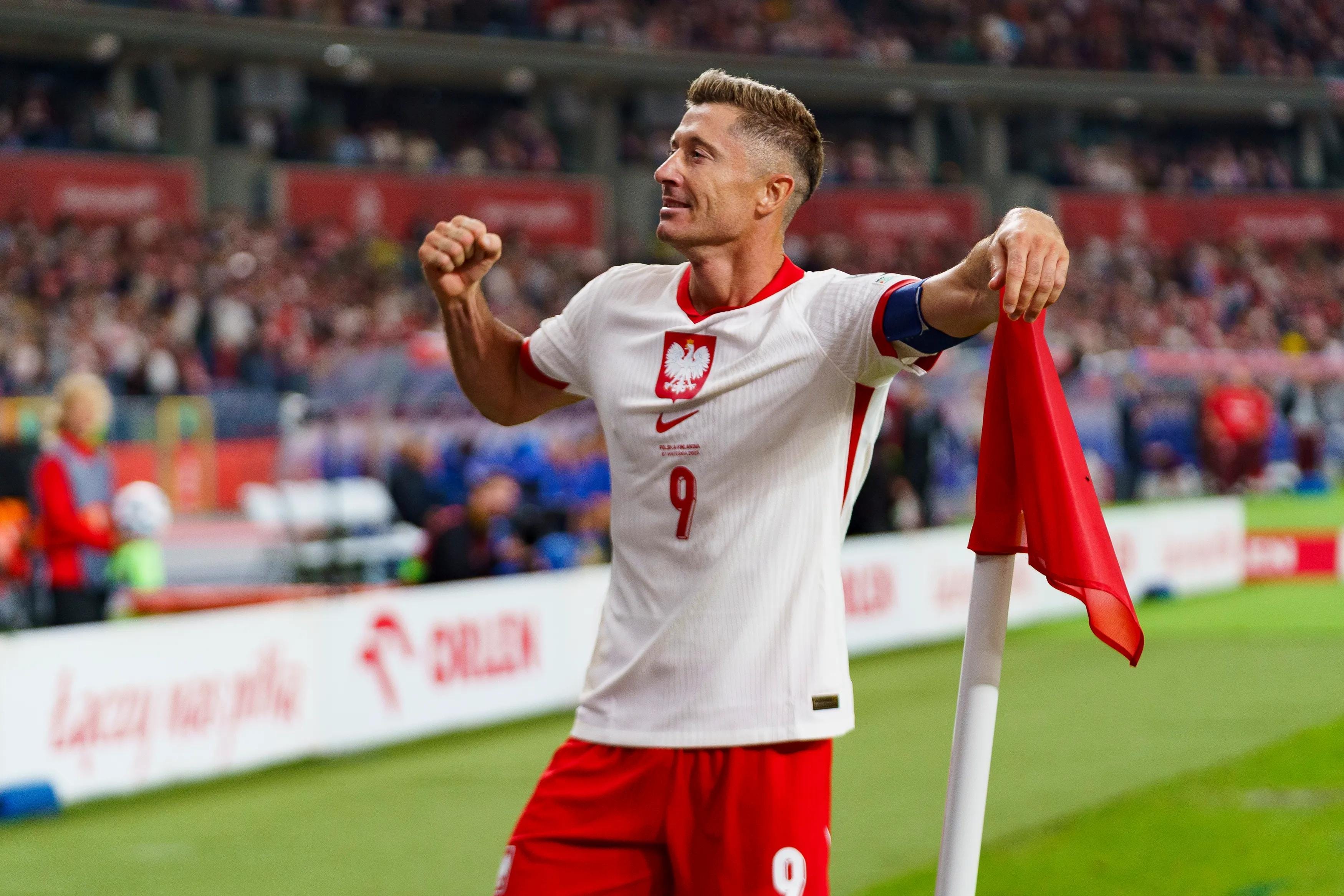
Poland lean heavily on a familiar figure. Robert Lewandowski remains their reference point, even as time begins to close in. That reliance is both strength and limitation. Albania will not match Poland for pedigree, but they will not be burdened by expectation either. In these ties, freedom can be a weapon.
Elsewhere, Slovakia and Kosovo represent the quieter tension of the play-offs. No global spotlight, no grand narrative, just two teams sensing opportunity. Turkey against Romania brings a different flavour, history and unpredictability intertwined. Turkey’s past success still echoes, Romania’s long absence still aches.
Denmark, perhaps the most balanced of the group, face a dangerous trap against North Macedonia. Organisation alone does not win these matches. Urgency must accompany it.
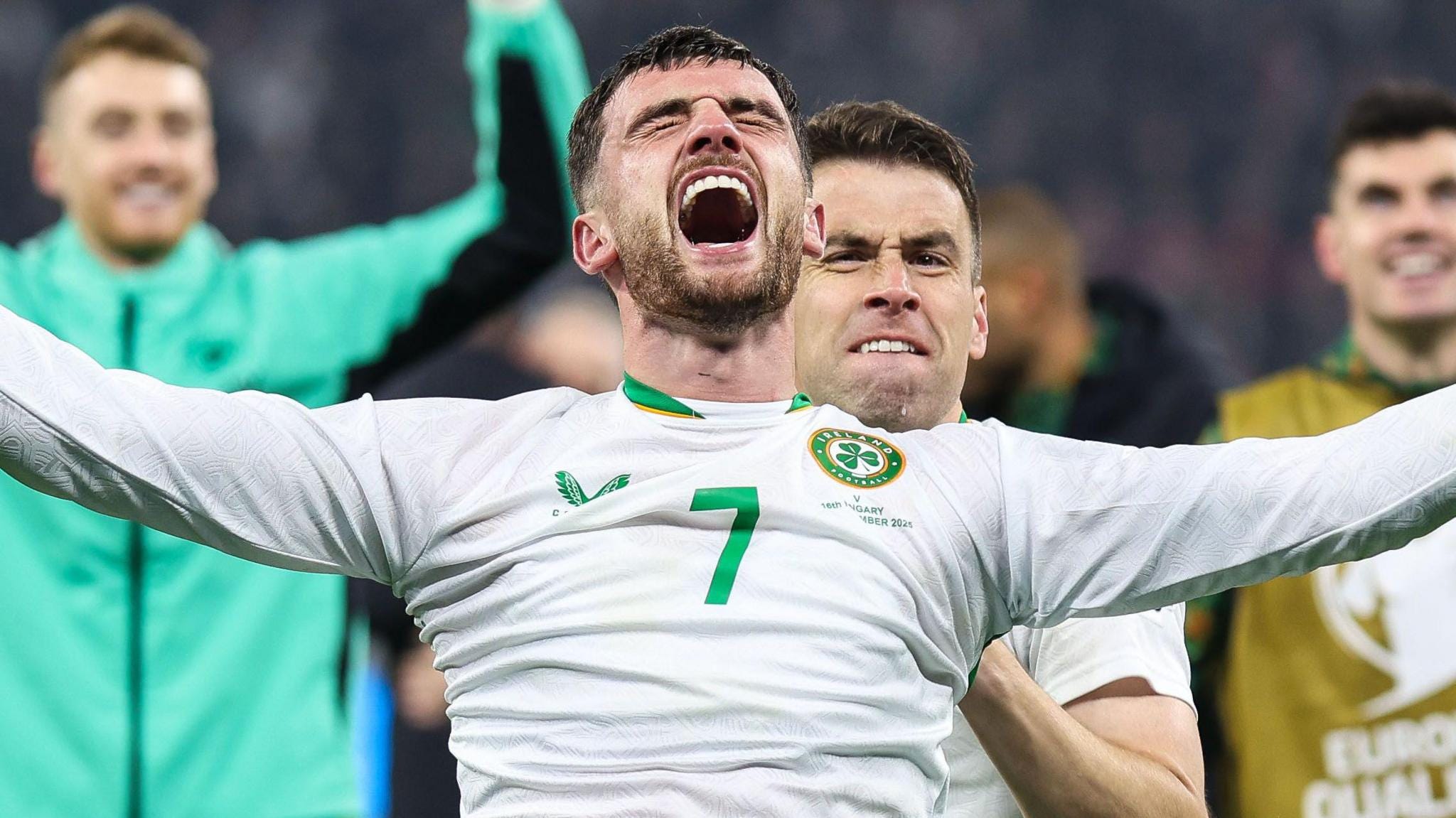
And then there is Czechia against the Republic of Ireland. Two nations with proud histories, both aware that time has passed them by on this stage. Czechia have lingered on the edge of relevance for too long. Ireland, meanwhile, have carried the weight of near misses and fading memories. This is not just a match, it is a reckoning.
Underdogs and ambition across global pathways
Beyond Europe, the play-offs take on a different rhythm. Six teams, two places, and a journey that crosses continents.
Jamaica arrive with talent and expectation, yet instability has followed them. A change in leadership rarely settles a side at this stage. They face New Caledonia, a team with little global recognition but nothing to lose. That absence of fear can distort a match.
DR Congo stand in waiting, watching the chaos unfold before stepping into the final. They carry physical strength and growing belief. Their past on this stage is distant and uncomfortable, but memory does not decide matches. Preparation does.
Bolivia and Suriname offer a clash of contrasting football cultures. Bolivia bring experience of the South American grind, Suriname bring a scattered, globally based squad that lacks cohesion but not ability. Iraq, like DR Congo, benefit from a seeded position, yet their path has been disrupted by forces beyond football. Travel, preparation, stability, all compromised. And still, they stand one match away.

Pressure defines everything
Play-offs expose truths that long campaigns can hide. Systems break under strain, leaders emerge or disappear, and reputations are rewritten in ninety minutes.
For the established nations, this is about avoiding failure. Italy, Denmark, Poland, they are expected to progress. That expectation is heavy, often suffocating. For the others, it is about seizing a moment that may not come again. Kosovo, Albania, North Macedonia, they play with a different energy, one driven by possibility rather than fear.
Tactically, these matches tend to compress. Space disappears, risk is managed, and set pieces grow in importance. Coaches who favour expansive football often retreat into pragmatism. It is not pretty, but it is effective. The margins are thin, a single lapse, a single decision, and the campaign is over.
What qualification really means
Reaching a World Cup is no longer just a sporting achievement. It is financial security, global exposure, and a shift in perception. Federations benefit, players gain value, and domestic leagues feel the ripple effect.
For countries like Wales or Ukraine, qualification reinforces progress. For nations such as Albania or Kosovo, it would redefine their football identity. For Italy, it is about restoring credibility that has been chipped away.
There is also the human element. Veterans chasing one final tournament, young players seeking a first taste, managers aware that their legacy may hinge on these results. The play-offs compress careers into a week.
Six tickets, countless consequences
By the end of these ties, six teams will move forward and sixteen will be left behind. The difference between them may come down to a moment, a refereeing call, a piece of individual brilliance or a mistake that cannot be retrieved.
This is the brutality of the play-offs. No second chances, no safety net. Just football in its most unforgiving form.
And that is why it grips. Because when everything is on the line, the game reveals itself fully. Not as spectacle, but as contest. Not as entertainment, but as examination.