

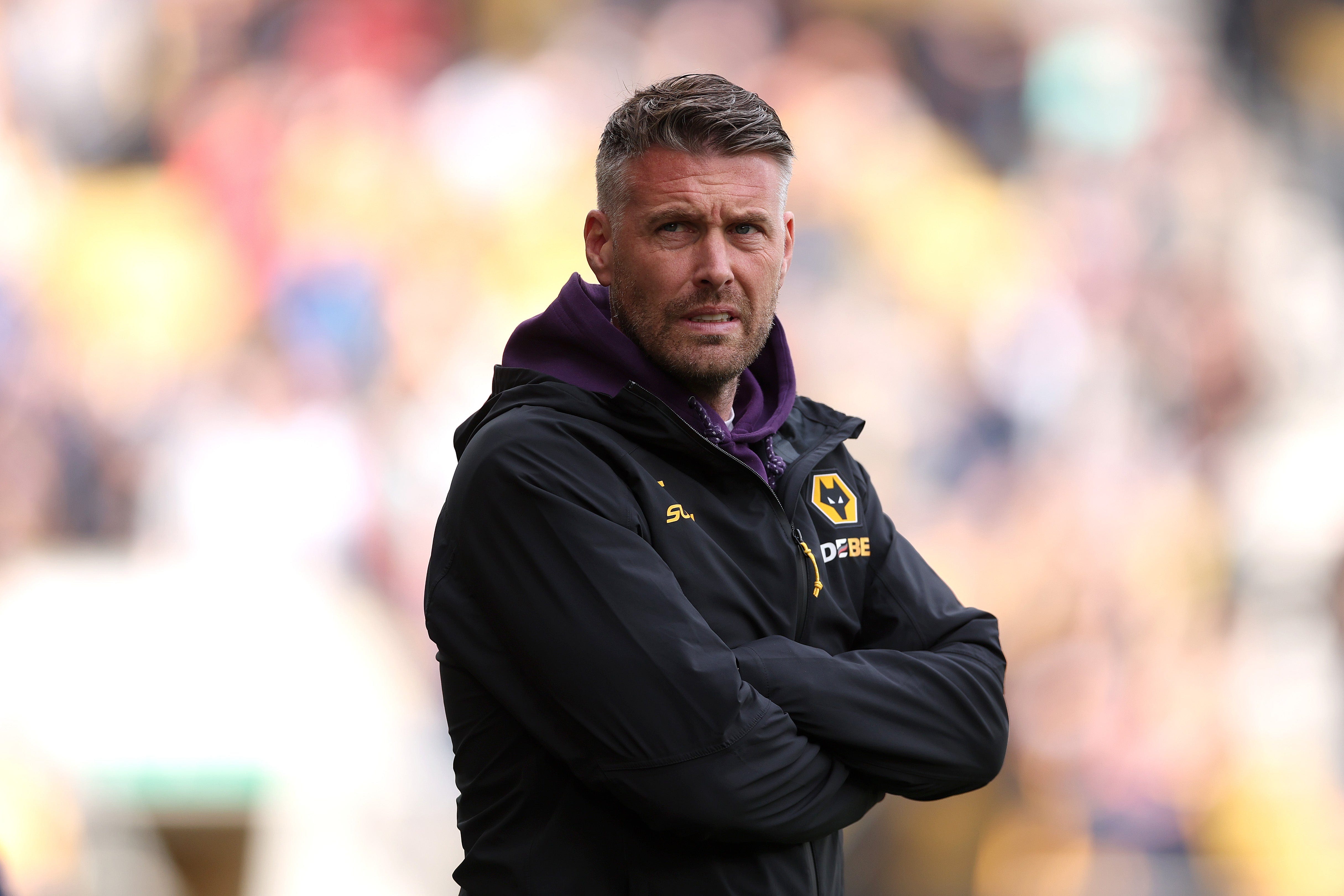
Rob Edwards has gone, and Wolves have somehow managed to make relegation feel like the beginning of a deeper fall.
There are sackings that carry a hard logic, even when they are brutal. A manager loses the dressing room. A team collapses beyond repair. A plan becomes so obviously broken that sentiment has to be put away. This does not look like one of those moments. This looks like a club taking a bad situation, staring at it for months, planning for the obvious outcome, then acting as though the obvious outcome has arrived as a thunderbolt.
Wolves were already travelling towards the Championship when Edwards arrived. That was the whole point. Nobody serious could have sold his appointment as a rescue mission. It was always more likely to be a preparation job, a grim winter spent measuring the damage, learning the personalities, trimming the squad, setting the tone, and getting ready to attack the division below with a manager who knew the road.
Now he has been removed before he can take the first real step on that road. Wolves have not cleared the fog. They have thickened it.
Wolves Relegation Plan Now Looks Like A Fiction
When Edwards walked into Molineux, Wolves were not a sleeping giant waiting for the right speech. They were a failing Premier League side, bottom in spirit as much as in standing. Relegation was not inevitable in the mathematical sense, but it was close enough to shape every sensible decision the club made.
That is what makes this sacking so baffling. If Edwards was judged on keeping Wolves up, the appointment was unfair from the start. If he was judged on rebuilding them in the Championship, he has been sacked before the job began.
You cannot hire a man to lay foundations, then dismiss him because the roof fell in before the concrete dried. Wolves knew what they were buying. They bought Championship experience, emotional connection, and a manager whose best work had come when the task required unity and conviction. He was not being asked to polish a title contender. He was being asked to drag a bruised club into a harder league with a clearer identity.
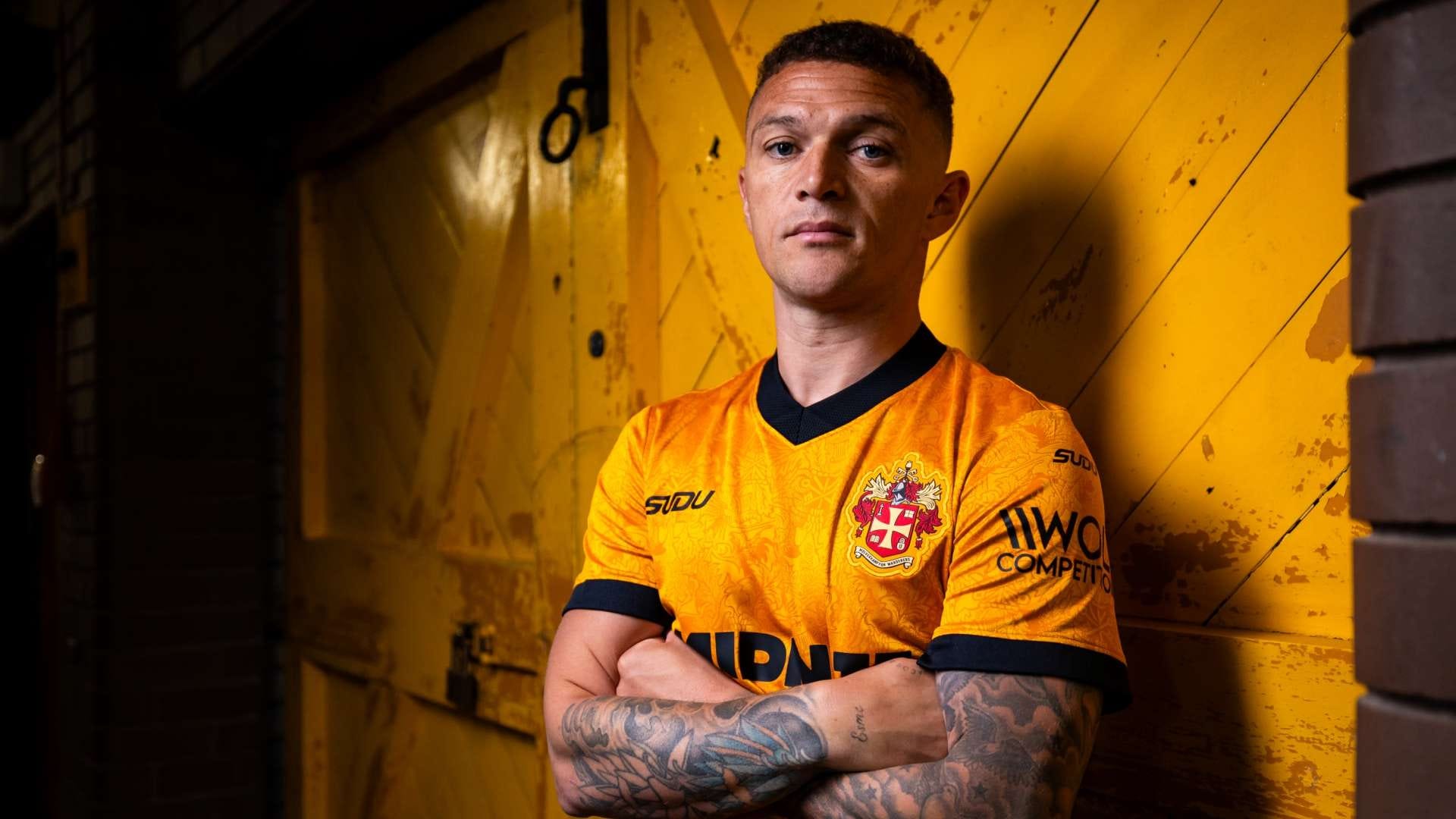
The club had even started to act like a coherent rebuild was under way. Kieran Trippier arrived on a free. Raul Jimenez returned. Andre committed his future. These were not random calendar entries. They looked like the first moves of a squad shaped for a specific campaign, with Edwards right in the middle of the thinking.
That is why this feels so barmy. If those signings had his fingerprints on them, Wolves have now changed the architect while the materials are still being unloaded. If they did not, then the head coach was being used as a smiling front for decisions made elsewhere. Neither version flatters the club.
Edwards Gamble Has Turned On Him
There is sympathy for Edwards, but it cannot be clean sympathy. His choice to leave Middlesbrough now looks dreadful.
He was not stranded there. He was not managing a club in chaos. He was in a promotion race, with his reputation climbing again after the remarkable rise he had overseen at Luton. His stock had survived relegation because people could see the scale of what he had built before it. He looked like a young manager with substance, resilience, and a proper feel for Championship football.
Then Wolves came calling. The emotional pull was obvious. Former club. Familiar place. Premier League badge still on the door. For a manager, these chances arrive dressed as destiny. That is how football traps people. It sells history as security.
Edwards must surely have had assurances. It is hard to believe he would have left a strong position at Middlesbrough for a club in Wolves’ state without being told that relegation would not define him. He must have believed he would be the man trusted to lead the response, once the drop was confirmed and the noise of the Premier League had gone.
If those assurances existed, Wolves have broken faith. If they did not, Edwards misread the room badly.
Either way, he has paid for the move. Seven months ago, he was a manager on the rise, with a compelling story behind him and a promotion chase ahead of him. Now he has another sacking on the record and a question to answer at his next interview. Why did he jump? Why did he trust Wolves? Why did he leave a stable platform for a club that has made instability part of its daily weather?
That does not make him a fool. It makes him another manager who believed a club’s pitch more than its pattern.
Molineux Decision Makers Invite Bigger Doubts
The deeper issue is not Edwards. It is Wolves.
A club can sack a manager and still look decisive. Wolves look confused. They spent money to get Edwards out of Middlesbrough. They backed him publicly. They appeared to involve him in early Championship planning. Then they pulled the plug at a point when consistency was their most valuable currency.
This is not the rhythm of a club with a fixed plan. It is the rhythm of a club reacting to pressure, politics, or both.
Supporters can smell that. They can accept failure when it comes with honesty. They can endure relegation when the plan for recovery has shape. What they cannot stomach is being told there is alignment, then watching the club behave like alignment was a line for a fans’ forum and nothing more.
Wolves supporters have seen enough decline to know when the walls are damp. They do not need lectures about patience from people who keep changing the locks. A relegated club needs to convince players, agents, supporters, and staff that the next season is not a punishment tour. It needs one voice. One plan. One manager whose authority is visible.
Instead, Wolves have created uncertainty at the first point when certainty mattered.
![BREAKING:🚨🚨Wolves agree deal in principle to appoint Cesar Peixoto as new head coach [ @FabrizioRomano 🥇] #wolves #wwfc](https://substackcdn.com/image/fetch/$s_!dyPQ!,f_auto,q_auto:good,fl_progressive:steep/https%3A%2F%2Fsubstack-post-media.s3.amazonaws.com%2Fpublic%2Fimages%2F0da39ab9-8603-4822-bf82-a4974d01fa01_1199x800.jpeg "BREAKING:🚨🚨Wolves agree deal in principle to appoint Cesar Peixoto as new head coach [ @FabrizioRomano 🥇] #wolves #wwfc")
The linked move for Portuguese coach César Peixoto may yet work. Football loves to mock caution. Sometimes the bold appointment becomes the clever one. Wolves, of all clubs, know that foreign ideas can reshape a place when the fit is right.
But the Championship is a cold room for experiments. It is relentless, awkward, and suspicious of reputation. It asks different questions from the ones posed by a sixth placed finish in Portugal. Tuesday night at Preston, Millwall, or Stoke is not impressed by a neat presentation or an agency relationship. The league is not glamorous. It does not care for theory. It leans on you until your plan either hardens or cracks.
Replacing a manager with Championship knowledge before he has a Championship season, especially after building parts of the summer around him, is a huge call. It might be inspired. Right now it looks like another swing from a club that has forgotten how to stand still long enough to build anything.
Promotion Push Already Feels Compromised
The great danger for Wolves is that this decision damages more than the dugout.
Players who signed because of Edwards will notice. Senior professionals do not need long explanations. They read the room. They know when a club says one thing in May and does another in June. Trippier, Jimenez, Andre, and the rest of that dressing room now have to adjust to a new voice before pre season has even found its rhythm.
That matters. Promotion is not won by talent alone. Relegated clubs often arrive in the Championship with bigger names, bigger wages, and bigger assumptions. Many discover, quickly and painfully, that the division has no respect for parachutes or old Premier League habits. The best sides come down with humility, hunger, and a plan that everyone can understand.
Wolves have begun by tearing up their first plan.
There is still enough quality at Molineux to compete. There is enough name value to attract players. There is enough residual stature for the club to talk about an immediate return without sounding absurd. Yet all of that is fragile. Every relegated club thinks it will bounce back. Many bounce sideways. Some keep falling.
That is the fear here. Wolves do not merely look relegated. They look like a club still negotiating with the reasons they were relegated.
Edwards was not blameless. Five wins from 30 matches is ugly. The football was often limp. There were days when Wolves looked short of structure, confidence, and menace. No manager gets a free pass because the job is hard.
But context matters. He inherited a mess and said as much. Maybe that honesty made people uncomfortable. Maybe those above him wanted a head coach who would sell the rebuild without describing the wreckage. If so, Wolves have chosen comfort over clarity.
That rarely ends well.
The final judgement on Edwards is complicated. He took a gamble that has damaged him. Leaving Middlesbrough, with a promotion race alive and his reputation strengthening, now looks like a poor career call. He trusted the romance of Wolves and the promise of time. In football, romance is cheap and time is usually the first lie told.
The final judgement on Wolves is simpler. They look like a club sinking to new lows with a shovel in their own hands.
This was the moment to show calm. This was the moment to prove relegation had sharpened the thinking. Instead, Wolves have sacked the man they appeared to hire for exactly this next chapter.
Maybe the next appointment will win. Maybe the gamble will come off and this will be remembered as ruthless foresight. At present, it feels like a club tearing pages from its own recovery manual, then wondering why the instructions no longer make sense.
Wolves needed a clean start.
They have chosen another mess.