

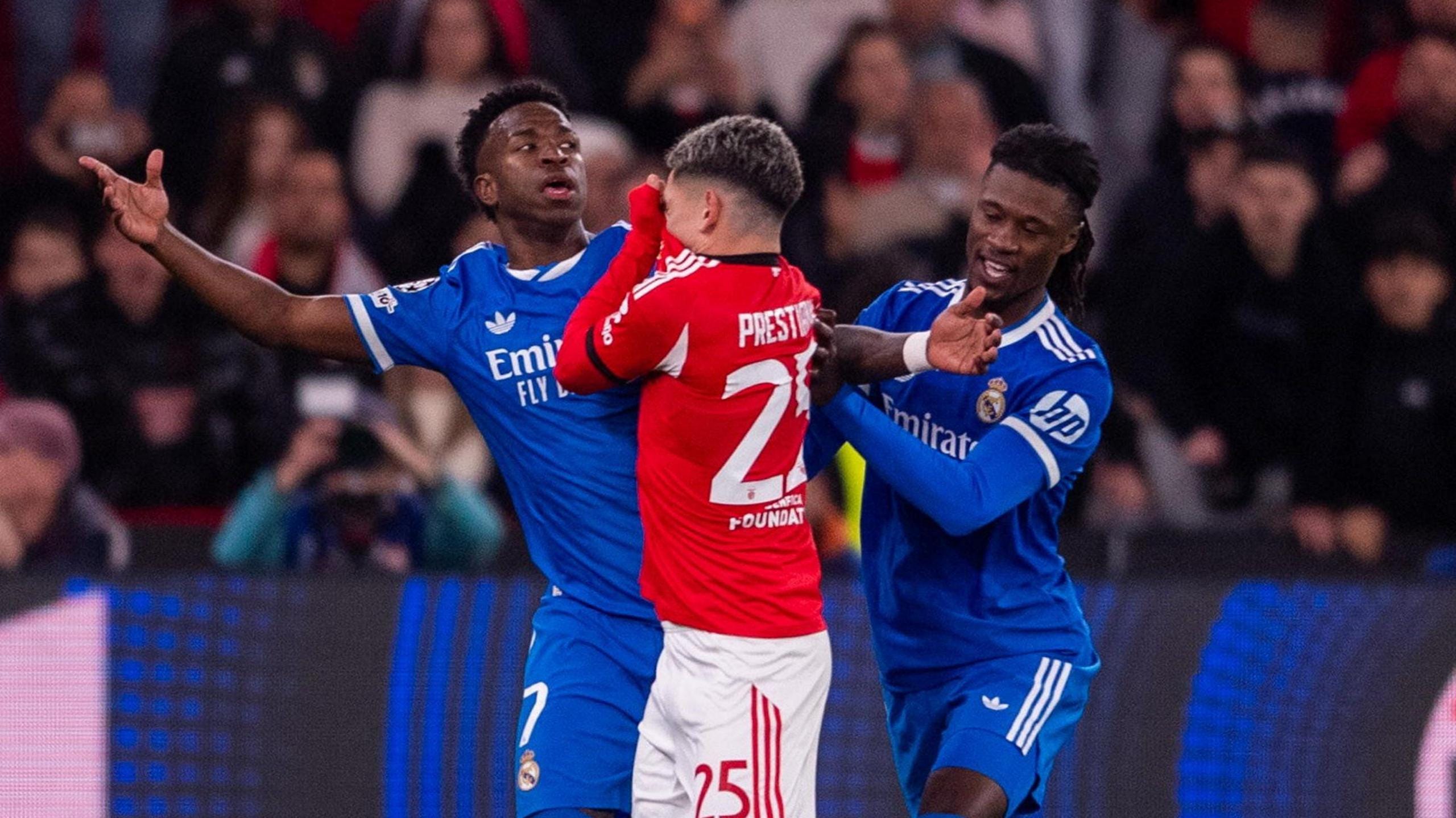
Football likes to think of itself as modern, enlightened, progressive. It is none of those things when it comes to race.
Vinicius Junior has again found himself at the centre of alleged racist abuse, this time in a European tie that should have been remembered for a spectacular goal. Instead, we are once more discussing monkey gestures, covered mouths, denials, investigations and the weary choreography that follows whenever a Black player dares to speak up.
According to La Liga there have been 26 recorded racist incidents directed at him across 10 stadiums in Spain since 2021. That number alone should end most debates. It does not. Instead, it fuels them.
Because the question that keeps surfacing is not why this keeps happening in stadium after stadium, but why it keeps happening to him.
That question tells you everything.
Pattern Too Clear to Ignore
Vinicius is 25, a Champions League winner, a global star at Real Madrid and a central figure for Brazil. He plays with joy, arrogance, swagger. He celebrates with rhythm. He refuses to shrink.
For some, that is the provocation.
We have heard the logic before. He is flashy. He is emotional. He responds. He raises his voice. He does not quietly absorb abuse and carry on.
Others point to team mates. Why not them, they ask. Why does it follow him? As though racism works on a neat rotational system.
The facts do not support the lazy theory that he alone is targeted. Other Black players in Spain have been abused. Some have endured it in silence. Some have spoken. Some have been ignored. What distinguishes Vinicius is not that he is uniquely abused, but that he consistently refuses to normalise it.
That refusal unsettles people.
It unsettles opposition supporters who want a reaction. It unsettles rival managers who prefer to focus on celebration etiquette. It unsettles administrators who would rather handle this quietly. It even unsettles sections of his own fanbase who wish he would concentrate on football and leave the rest alone.
But racism does not disappear because a winger keeps his head down.
Blame Shifting and Respectability Politics
The most revealing reactions are not the chants, they are the comment sections, the studio debates, the sly insinuations.
There are always three camps. Those who condemn the abuse outright. Those who deny it exists. And those who suggest there must be a reason.
He must provoke it. He must exaggerate it. He must mishear it. He must interpret ordinary hostility as something darker.
It is an old trick. Shift the burden onto the target. Demand perfect behaviour from the victim before granting sympathy.
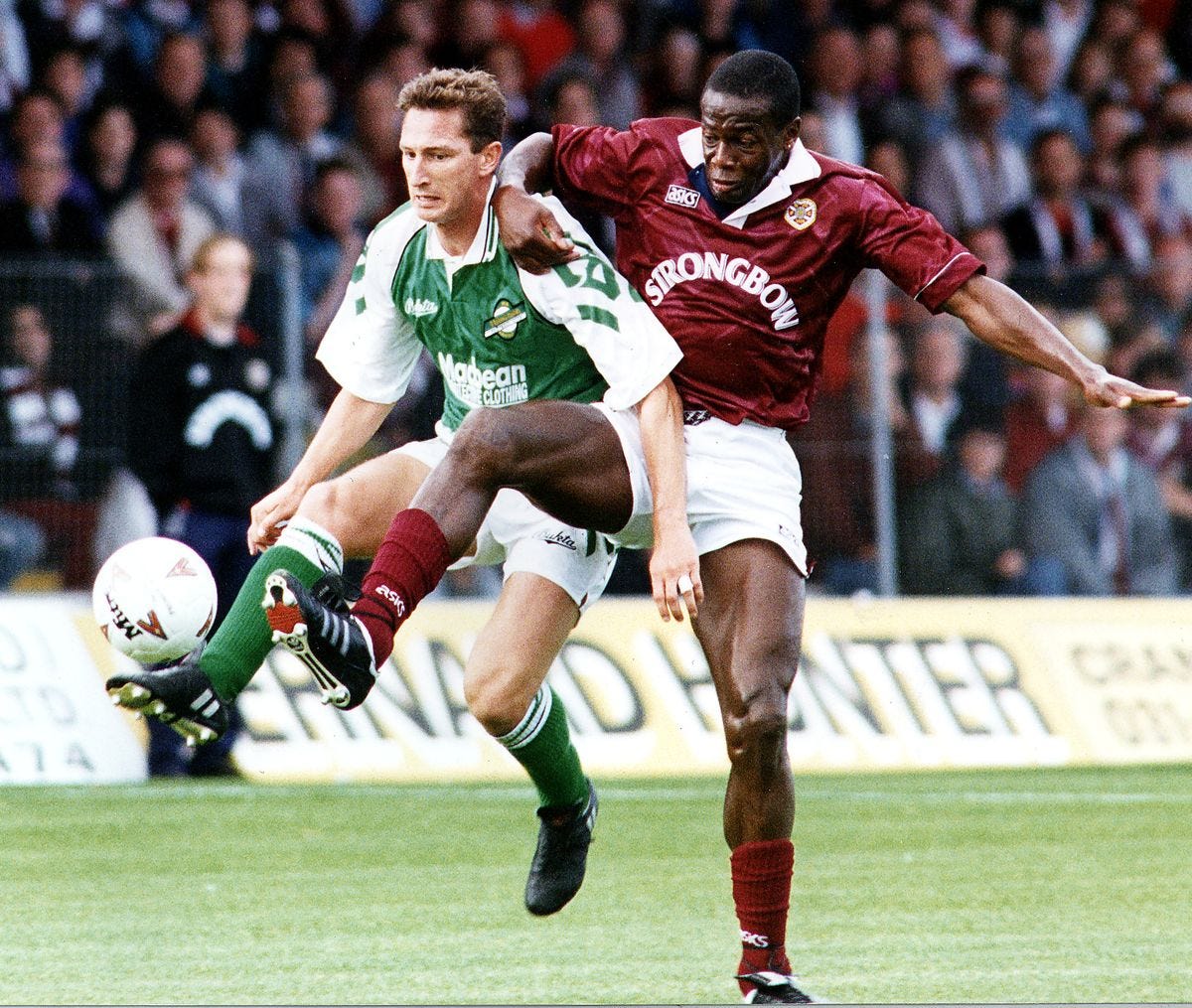
I have seen this before. In Scotland in the mid 1990s I heard abuse directed at Justin Fashanu from the stands. It was loud, casual, ugly. Many joined in. It felt wrong then, even though it was treated as terrace theatre. It feels even more grotesque now, dressed up in modern language and social media avatars.
Last week I wrote about inflammatory remarks from Sir Jim Ratcliffe. The readership numbers were modest, as I expected. The engagement was ferocious. Disagreement does not trouble me. I welcome it. I will always choose peace and understanding over hate and division. History has a habit of clarifying who stood where. I hope, as ever, to be on the right side of it.
That is why this matters.
When people argue that Vinicius should simply ignore it, that reacting makes it worse, they dress surrender up as pragmatism. They cite examples from the past of pioneers who endured and survived. Endurance is admirable. Silence is not a solution.
Telling a player to block it out is easy from a sofa. It is harder when the abuse is aimed at your skin, your identity, your family. The suggestion that quiet compliance will starve racists of oxygen ignores a simple truth. Racism thrives in silence.
Football’s Institutions and Hollow Responses
Each new incident triggers a now familiar sequence. The referee activates a protocol. A governing body announces an investigation. A club expresses co operation. A player denies wrongdoing. Supporters argue online.
Occasionally there are convictions, suspended sentences, fines. Rarely does the punishment feel proportionate to the damage.
When supporters were found guilty of racially abusing Vinicius in Spain, it was hailed as historic. It was. It was also overdue. One breakthrough does not fix a culture.
Clubs close ranks. Managers defend their own. Some point to famous Black icons from their history as proof of institutional virtue. As though a single celebrated figure cancels out present reality.
It is a shallow defence.
Football has long believed that diversity in the dressing room equates to equality in the stands. It does not. The sport remains tribal, emotional, combustible. In that atmosphere, race becomes a weapon.
Vinicius understands this. He has spoken about happiness disturbing those who resent it. A successful, expressive Black man enjoying himself in Europe still unsettles parts of the crowd. That is not his burden to fix.
What should trouble the authorities is not that something happens whenever he plays away, but that something happens so often without decisive consequence.
Governing bodies fine and investigate. Clubs release carefully worded responses. The cycle rolls on.
Meanwhile, the player carries the weight.
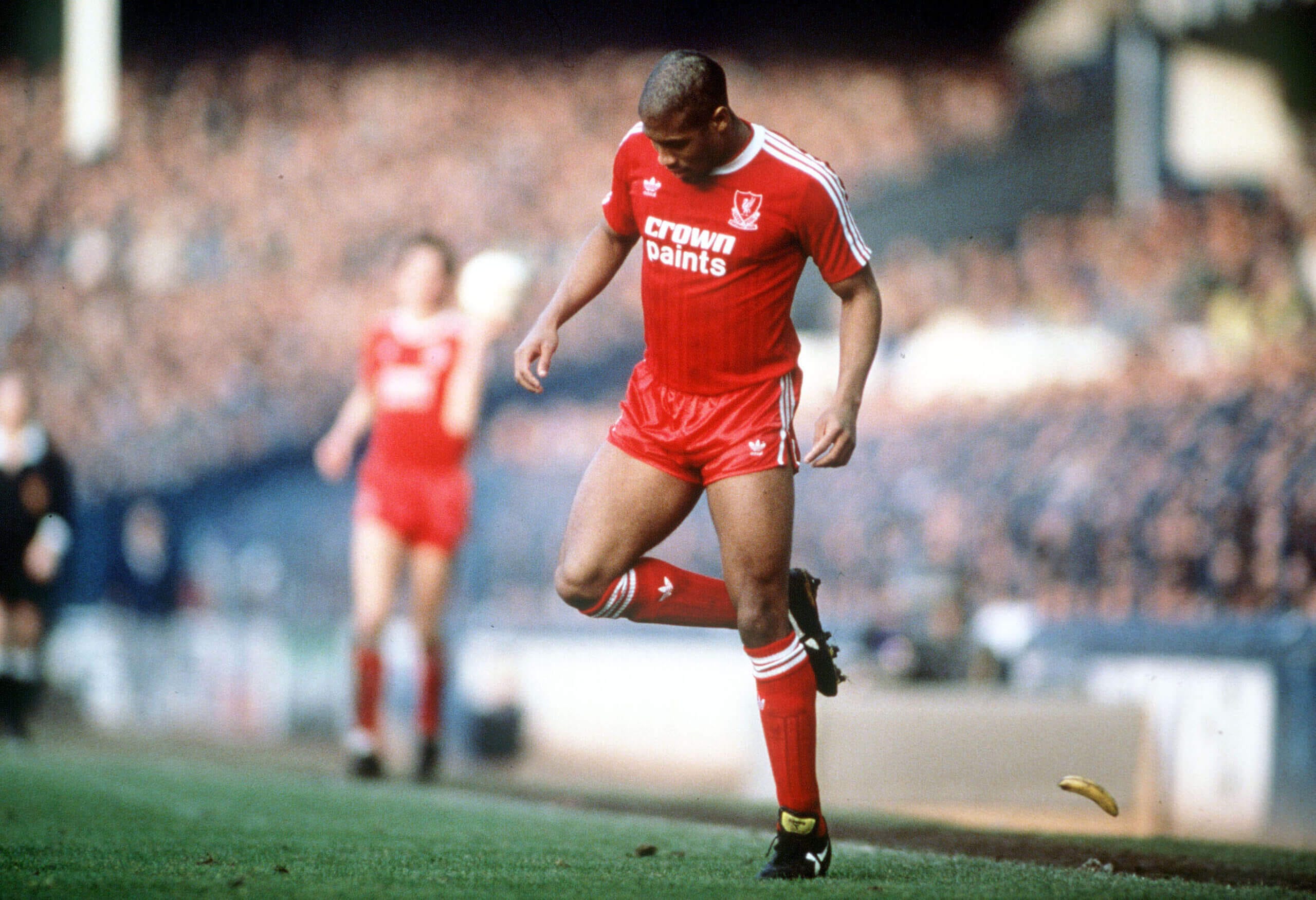
Comment Culture and the Mirror It Holds Up
The most sobering reading this week has not been official reports. It has been the reaction beneath them.
Some readers demand harsher punishment. Others call for stadium bans. Some deflect towards other countries, other controversies, other grievances. The discussion fractures into national pride, political jabs, whataboutery.
And then there are the comments that cut to the bone. The ones suggesting that he brings it on himself. The ones reducing complex prejudice to a personality flaw.
Football comment culture is a mirror. It reflects the society that consumes it.
There are those who genuinely want to understand. There are those who simply want to win an argument. And there are those who hide behind anonymity to express what they would never dare say face to face.
It is tempting to dismiss these voices as fringe. That would be comforting. It would also be dishonest.
Racism in football does not exist in isolation from the wider world. It feeds on historical myths, national narratives, distorted nostalgia. Some countries still cling to romanticised versions of their past, overlooking the uglier chapters. Some fans conflate criticism of racism with an attack on their club or nation.
That defensive instinct protects perpetrators.
Vinicius has become a lightning rod partly because he refuses to accept the script. He does not apologise for celebrating. He does not dilute his language. He does not accept that enduring abuse quietly is part of the job description.
That makes him inconvenient.
It also makes him important.
Why This Debate Defines Modern Football
There is a line that recurs whenever these incidents resurface. Let the investigation take its course. That is fair. Evidence matters. Due process matters.
But there is a difference between respecting procedure and pretending there is no pattern.
Twenty six recorded incidents in three years is not coincidence. Monkey gestures from the stands are not misunderstandings. Covering your mouth before speaking does not scream innocence.
At some point, football must decide whether it values the comfort of its institutions more than the dignity of its players.
This is not about liking Vinicius. Some find him irritating. Some think he over celebrates. Some believe he exaggerates fouls. None of that is relevant.
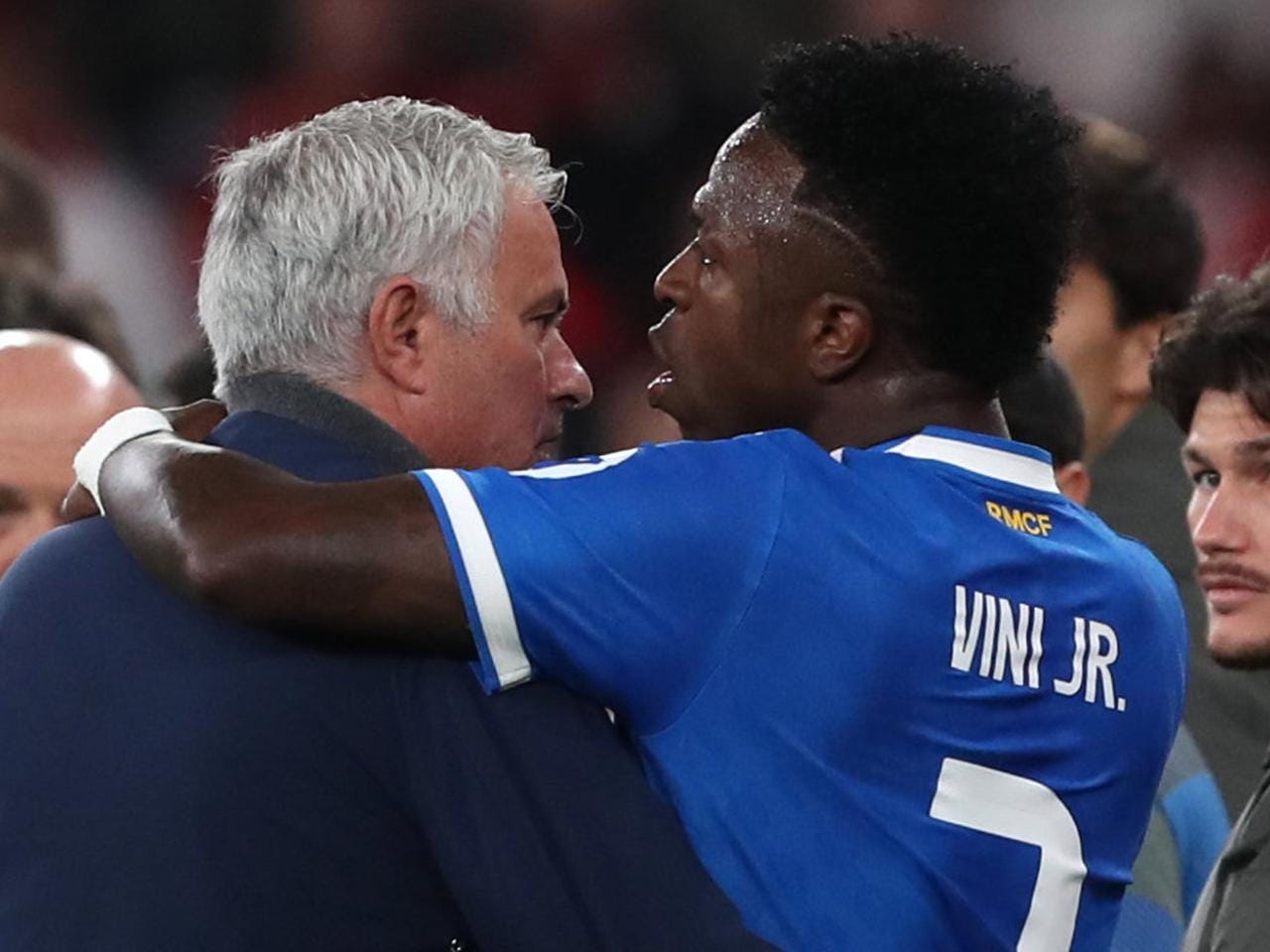
Racism requires no provocation. It requires only prejudice and opportunity.
If the sport continues to treat each episode as isolated, it will keep asking the wrong question. Not why does this follow him, but why do we allow it to follow anyone.
I do not expect universal agreement with this view. I rarely do when writing on subjects that touch politics, power and identity. Engagement, even heated engagement, suggests the issue resonates.
What I cannot accept is the creeping normalisation of blame shifting.
Football has always been capable of greatness. It has also been capable of moral failure. This is one of its tests.
When I first heard racist abuse in a stadium as a young man, it jarred against the romance of the game. Decades later, the jar has become a grind.
Vinicius Junior stands in the glare because he is brilliant and because he refuses to bow. The easier route would be silence. He has chosen confrontation.
History tends to look kindly on those who challenge injustice, and poorly on those who rationalise it.
Football would do well to remember that.