

Manchester United confirmed on Thursday that Michael Carrick had left his job as head coach, ending a reign that began with genuine promise and finished with the club sitting in the Premier League's bottom three. The statement, released by the club, called it "the extremely difficult conclusion that a change is necessary in order to achieve our ambitions," and praised Carrick's professionalism while making clear the results simply had not been good enough.
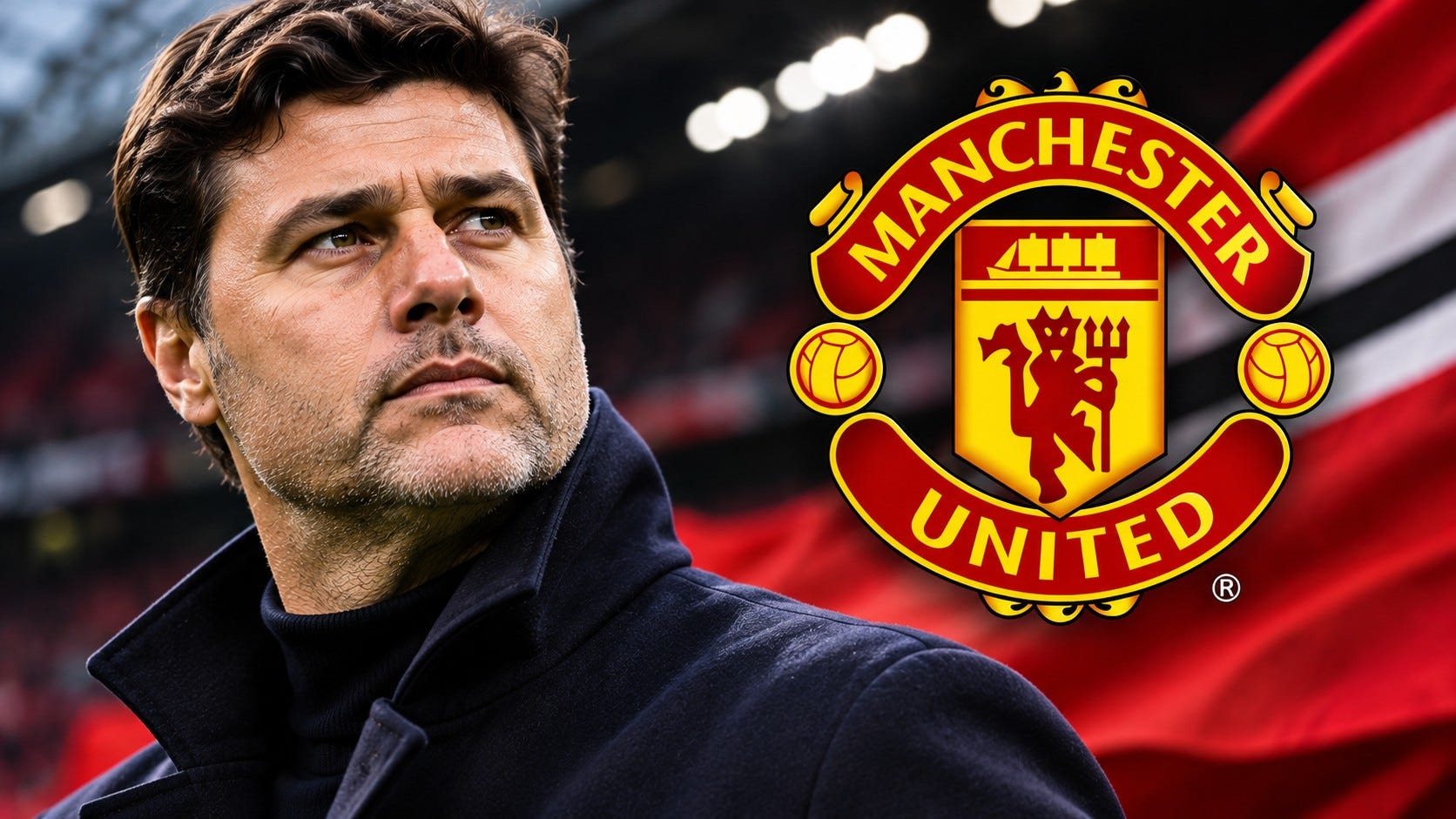
United wasted little time filling the vacancy, at least on paper. Mauricio Pochettino, currently head coach of the United States men's national team, has agreed terms on a two and a half year contract that would run until the summer of 2029, according to Sky Sports. A formal announcement is expected imminently, with final details of the agreement being settled on Friday morning. The twist is that the new man cannot start straight away.
Why Carrick's second spell ran out of road
Carrick's return to Old Trafford in January, taking over from Ruben Amorim, had looked like one of the more unlikely success stories of recent Manchester United history. He steadied a team that had been drifting towards serious trouble, winning 12 of his first 17 league games in interim charge and guiding United to a third place finish and Champions League qualification by the end of the 2025-26 season. On the back of that run, the club handed him the job on a permanent basis over the summer.
What followed this season has been close to the opposite. United have taken just eight points from their first ten Premier League matches, a return that leaves them 18th in the table, inside the relegation zone, with only a single league win to their name. A 4-4 draw at home to Aston Villa before the international break, in which United twice surrendered a two goal lead before salvaging a point through a stoppage time Patrick Dorgu equaliser, was widely seen as the moment the club's patience finally ran out. Carrick leaves with 15 wins from 32 games in total, a win rate of under 47%, numbers that look respectable on a spreadsheet but did nothing to prevent United becoming the third manager sacked since Sir Jim Ratcliffe and INEOS took charge of football operations.
Not everyone is convinced a managerial change solves much on its own. Sky Sports pundit Gary Neville used United's situation to make a broader point, arguing that swapping out the man in the dugout means little if the structures above him, recruitment, and leadership remain unchanged. "None of it has worked," he said, suggesting United's problems run deeper than whoever happens to be picking the team.
The man already picked to replace him
Pochettino is no stranger to Manchester United speculation. He was considered for the role as far back as 2018 and again in 2022, when the club eventually turned to Erik ten Hag instead, a decision some at Old Trafford are reported to have quietly regretted at various points since. Since then he has managed Paris Saint-Germain and Chelsea before taking charge of the United States, where he signed a contract extension through to the 2030 World Cup as recently as August.
According to Fabrizio Romano, Pochettino's decision to accept United's approach came down to two things: a feeling that he simply could not turn the club down, and a genuine belief that he can build something lasting there. Romano reported Pochettino telling people close to him that he could not say no, because he regards United as "something different" to a normal club, while also being "100% convinced" he is the right man to lead its recovery. United will reportedly pay a release fee in the region of £7.4 million to free him from his United States contract, in line with the buyout terms in his deal with the federation.
A handover that will take more than a week
What makes this particular appointment unusual is the timing. Pochettino is contractually obliged to see out his final Nations League fixtures in charge of the United States, who play two matches against Haiti during the international break, the second of them in Cincinnati. Only once those games are out of the way is he expected to fly to Manchester, where he will meet club leadership around the middle of next week before taking his first training session with the United squad on Thursday.
That packed schedule means his first match in the Old Trafford dugout, or rather on the opposing touchline, will not come until United travel to Liverpool on Sunday 22 November, a fixture that already carried enormous significance before Thursday's events and now carries even more. It gives Pochettino barely any time on the training ground with his new squad before being thrown into one of the most demanding assignments in English football, away at a Liverpool side that will be eager to take advantage of the upheaval at their rivals.
For United's hierarchy, the calculation appears to be that the disruption of a mid season appointment is worth it if it ends the uncertainty that had been building around Carrick for weeks. Reports throughout the international break suggested the club's power brokers, chief executive Omar Berrada and director of football Jason Wilcox among them, had already begun lining up alternatives well before Thursday's statement, with Ratcliffe reportedly backing both men to continue in their roles regardless of who takes charge on the pitch.
Whether Pochettino proves to be the man who finally arrests United's decline, or simply the latest high profile name added to a lengthening list of managers who found Old Trafford harder to tame than expected, will not become clear for months. What is certain is that the division's most scrutinised vacancy has been filled remarkably quickly, even if the man filling it has to finish another job first.
If stories like this one are your kind of football reading, consider following It Was Always... Football for more.