

Football clubs rarely collapse overnight. The damage builds slowly, season by season, masked by the occasional victory and carried by the brilliance of a few exceptional players. At Tottenham Hotspur, that slow drift has finally caught up with them.
For years Spurs walked a tightrope between ambition and hesitation. They built one of the finest stadiums in Europe, increased revenue dramatically, and assembled squads capable of competing near the top of the Premier League. Yet beneath the progress sat a lingering uncertainty about the club’s football direction.
Now the consequences are visible.
Tottenham find themselves nervously glancing at the relegation places, performances have become erratic, and confidence within the squad appears fragile. A club that once stood on the brink of European glory now faces a far more uncomfortable reality.
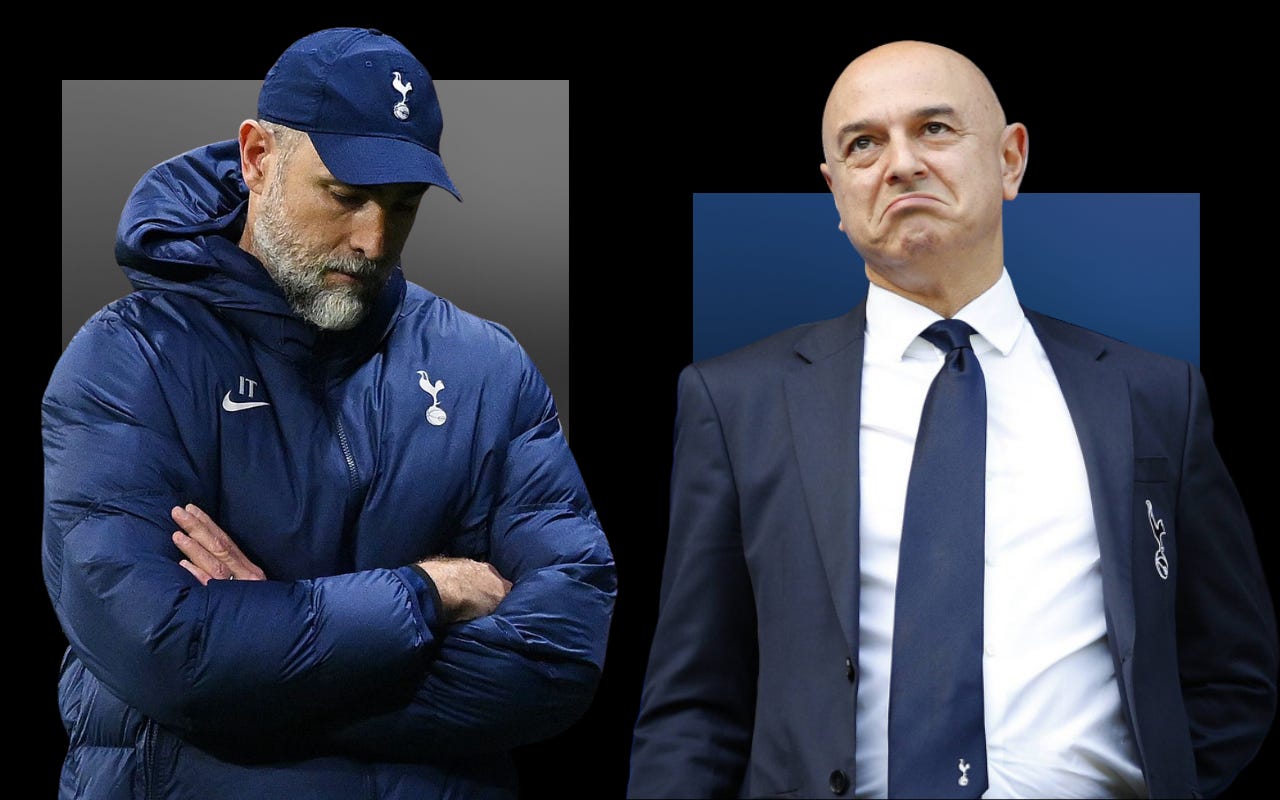
When teams spiral into crisis the instinct is to blame the manager. At Tottenham the spotlight currently falls on Igor Tudor. Yet the problems engulfing Spurs reach much deeper than the man on the touchline.
This is a crisis years in the making.
Igor Tudor Caught in Tottenham’s Managerial Chaos
Igor Tudor arrived in north London with a clear brief. Stabilise the team, tighten the defence, and steer Tottenham away from danger after the departure of Thomas Frank.
Instead the early signs have been grim.
Four matches, four defeats, fourteen goals conceded. The 5-2 defeat to Atletico Madrid in the Champions League exposed a team struggling for organisation and belief. Defensive errors came in clusters and the game had effectively slipped away before Tottenham settled into any rhythm.
The decision to start Antonin Kinsky in goal, then substitute him after seventeen minutes, became one of the defining moments of the night. It was ruthless, uncomfortable to watch, and raised questions about Tudor’s judgement and man management.
Yet Tudor inherited a situation already riddled with problems.
Tottenham have spent years bouncing between tactical identities. Mauricio Pochettino built a side based on relentless pressing and collective energy. José Mourinho replaced it with pragmatism and structure. Antonio Conte demanded defensive discipline. Ange Postecoglou attempted to restore attacking football.
Each manager pulled the squad in a different direction.
Players recruited for one style suddenly had to adapt to another. Tactical understanding faded and continuity disappeared. The result is a squad that often looks uncertain about how it should play.
Tudor may be struggling to fix the problems, but he certainly did not create them.
Recruitment Strategy Leaving Spurs Unbalanced
Look closely at Tottenham’s squad and the lack of strategic planning becomes clear.
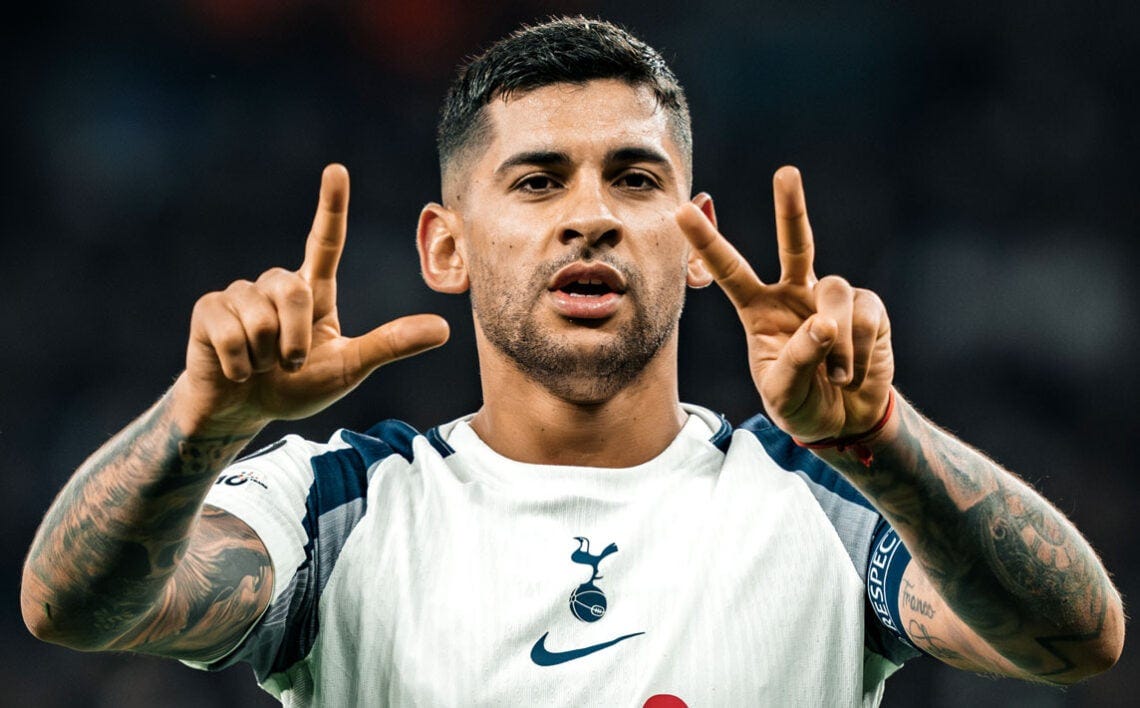
There is quality across the team sheet. Cristian Romero remains one of the most aggressive defenders in the league. Micky van de Ven has pace that suits a high defensive line. James Maddison and Dejan Kulusevski provide creativity in midfield areas.
Yet the squad rarely functions as a coherent unit.
Some players appear signed for long term potential rather than immediate impact. Others feel like opportunistic acquisitions rather than pieces of a clear tactical plan. Certain positions are overloaded while others remain thin.
Defenders suited to playing high up the pitch are asked to defend deep. Creative players struggle to influence matches because the structure around them lacks rhythm. Goalkeepers face relentless pressure because the defensive shape in front of them looks uncertain.
Recruitment should follow a defined football identity.
At Tottenham that identity has shifted too frequently.
Daniel Levy’s Legacy and the Current Leadership Structure
Responsibility for Tottenham’s direction ultimately sits above the dugout.
Daniel Levy has been the defining figure of the modern Spurs era. Under his leadership the club transformed financially. The Tottenham Hotspur Stadium stands as one of the most impressive arenas in world football, commercial revenues soared, and the club became a regular presence in European competition during the Mauricio Pochettino years.
Levy deserves credit for building a financially powerful institution.
Yet football success requires more than infrastructure.
During the latter years of Pochettino’s reign Tottenham hesitated in the transfer market when reinforcement was clearly required. The squad that reached a Champions League final was allowed to stagnate and the rebuild that followed has never found consistent direction.
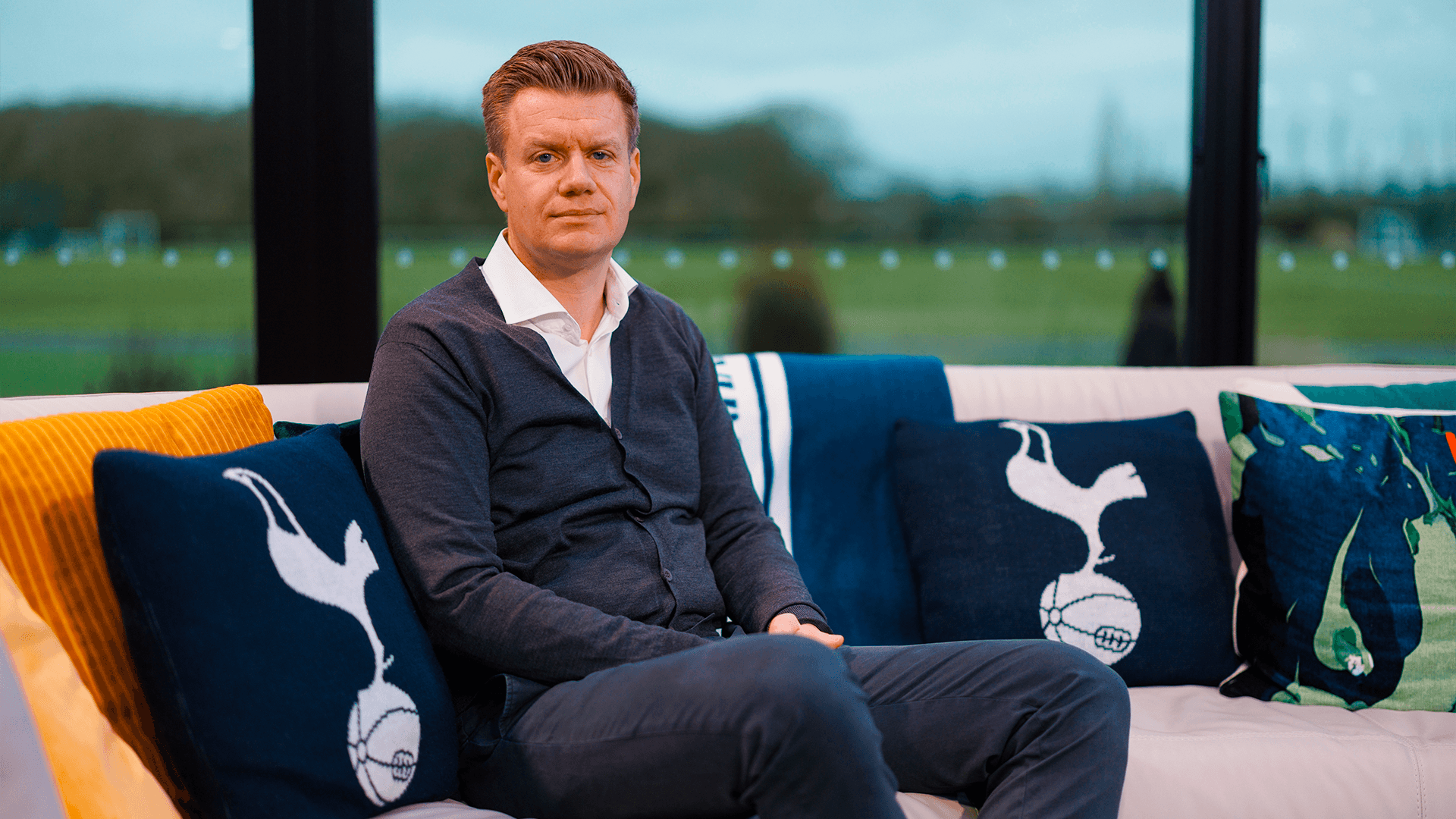
Today the football structure is overseen by sporting director Johan Lange and chief executive Vinai Venkatesham. Their decisions around recruitment and managerial appointments have shaped the squad Igor Tudor inherited.
Supporters have grown increasingly frustrated with that leadership. Managerial changes feel reactive rather than strategic. Transfer windows pass without decisive reinforcement even when injuries expose clear weaknesses.
The shadow of Daniel Levy’s long tenure still looms over the club’s culture. Caution in decision making, once a strength that stabilised Tottenham financially, now risks appearing like hesitation at a time when bold football leadership is required.
Drift in the boardroom eventually reaches the pitch.
Tottenham are now experiencing the consequences.
Confidence Draining as Relegation Threat Looms
When football teams lose belief the signs are unmistakable.
Defenders hesitate before making challenges. Midfielders take extra touches. Forwards snatch at chances that once felt routine. Errors begin to arrive in clusters.
Tottenham’s recent performances carry all those symptoms.
Early mistakes have repeatedly handed opponents momentum. Defensive slips have turned manageable matches into uphill struggles. Body language across the pitch reflects a group unsure of itself.
Senior figures such as Romero and João Palhinha possess the experience to guide a team through difficult moments. Yet even they appear affected by the uncertainty surrounding the club.
Confidence in football can evaporate quickly.
Right now Tottenham look like a side playing under the weight of their own anxiety.
Tottenham Need Direction More Than Another Quick Fix
The temptation in situations like this is predictable.
Sack the manager and hope for an immediate bounce.
Tottenham have followed that path repeatedly. Tudor replaced Frank in an attempt to stop the slide. Frank himself arrived after another managerial change. Each appointment promised stability, yet none addressed the deeper structural issues.
Replacing Tudor might provide short term relief. It will not solve the underlying problem.
Tottenham require clarity about their football identity. Recruitment must support that identity rather than react to market opportunities. Leadership must show conviction about the direction of the club.
Until that happens the cycle will continue.
Final Thoughts
Tottenham Hotspur remain a club with enormous potential. The stadium is world class, the fanbase remains passionate, and the squad still contains players capable of competing far higher up the Premier League table.
Yet modern football punishes uncertainty.
Years of inconsistent planning have left Spurs fragile on the pitch and directionless off it. Igor Tudor may or may not survive the coming weeks, but the crisis surrounding Tottenham extends far beyond the current head coach.
Survival in the Premier League would buy the club time. It would allow the hierarchy to reassess strategy and rebuild direction.
But the deeper lesson should already be clear.
Tottenham’s decline did not begin this season.
It has been building quietly for years.
Now the consequences are impossible to ignore.
If they survive this season it’s not going to be good in the next one without major changes.