

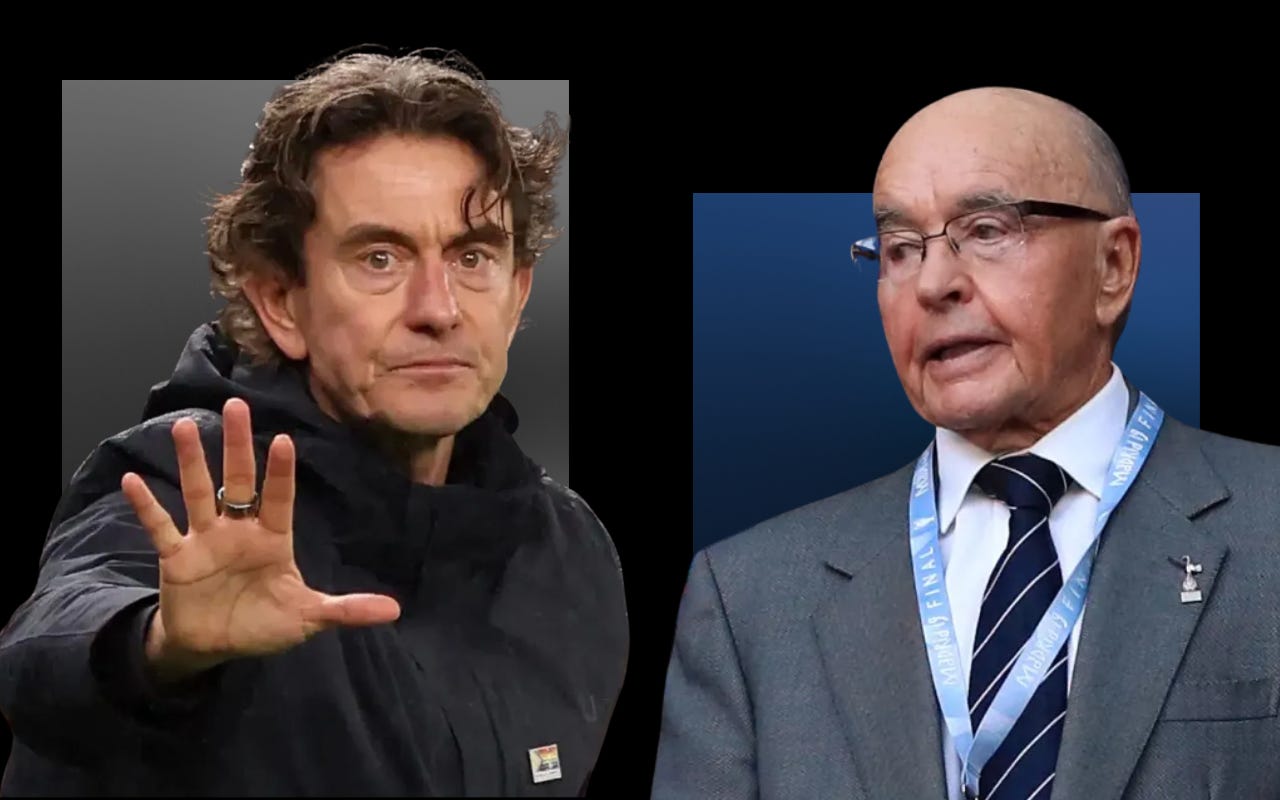
A Club Addicted to the Wrong Answers
Tottenham Hotspur have sacked Thomas Frank after eight months in charge. Sixteen in the table. Two league wins in seventeen. No victory in 2026. Five points above the relegation zone.
It reads like a crisis bulletin because that is what it is.
Frank departs with Spurs still in the Champions League knockout stages, yet staring at the trapdoor domestically. That contradiction tells you everything about the disorder at this club. Europe offered oxygen. The Premier League supplied the suffocation.
This was meant to be the grown up appointment. Calm, data led, tactically flexible, a coach who had built something enduring elsewhere. Instead, it has become another chapter in Tottenham’s modern habit of tearing up plans before the ink dries.
The weeds were visible. The gardener has gone. The soil remains the same.
Results That Left No Room for Sentiment
Strip away the romance and the numbers are damning.
Two wins from seventeen league games. Twelve points from a possible fifty one since November. Home performances that drained belief from the stands. Expected goals figures that fell through the floor. A team that could finish fourth in Europe’s elite competition yet record some of the lowest attacking outputs in the Premier League.
The Newcastle defeat was not a shock. It was a confirmation. The jeers were not impulsive. They were weary.
Frank insisted he would be in charge for the North London derby. Twelve hours later he was gone. That speed reflects how fragile his position had become.
This was not a manager undone by one bad week. It was erosion. Slow, visible, undeniable.
Style Mismatch and Identity Crisis
Tottenham are a club that talk about identity more than they define it. Attack minded, front foot, brave. That is the mythology. The reality has often been more chaotic.
Frank walked into a dressing room that had spent a season buying into Ange Postecoglou’s attacking doctrine. For all its flaws, that approach had emotional currency. Players spoke warmly of him. Fans felt connected. A European trophy softened the league collapse.
Frank’s football was different. Pragmatic, cautious, structurally sound in theory. In practice it felt safety first without the safety.
Long throws replaced quick restarts. Shape replaced spontaneity. Rotation replaced rhythm. Spurs became a team trying to remember what they once were while being told to become something else.
Supporters can accept attritional football if it produces results. They can accept chaos if it produces joy. What they will not accept is sterility.
Frank never convinced them he understood the temperature of the place. Public rebukes of supporters did not help. Nor did the sight of players ignoring his request to applaud the crowd after limp defeats.
Football clubs are emotional ecosystems. Tottenham’s ecosystem rejected him early and never truly relented.
Injuries, Recruitment and Executive Flux
Context matters. Spurs were not operating in ideal conditions.
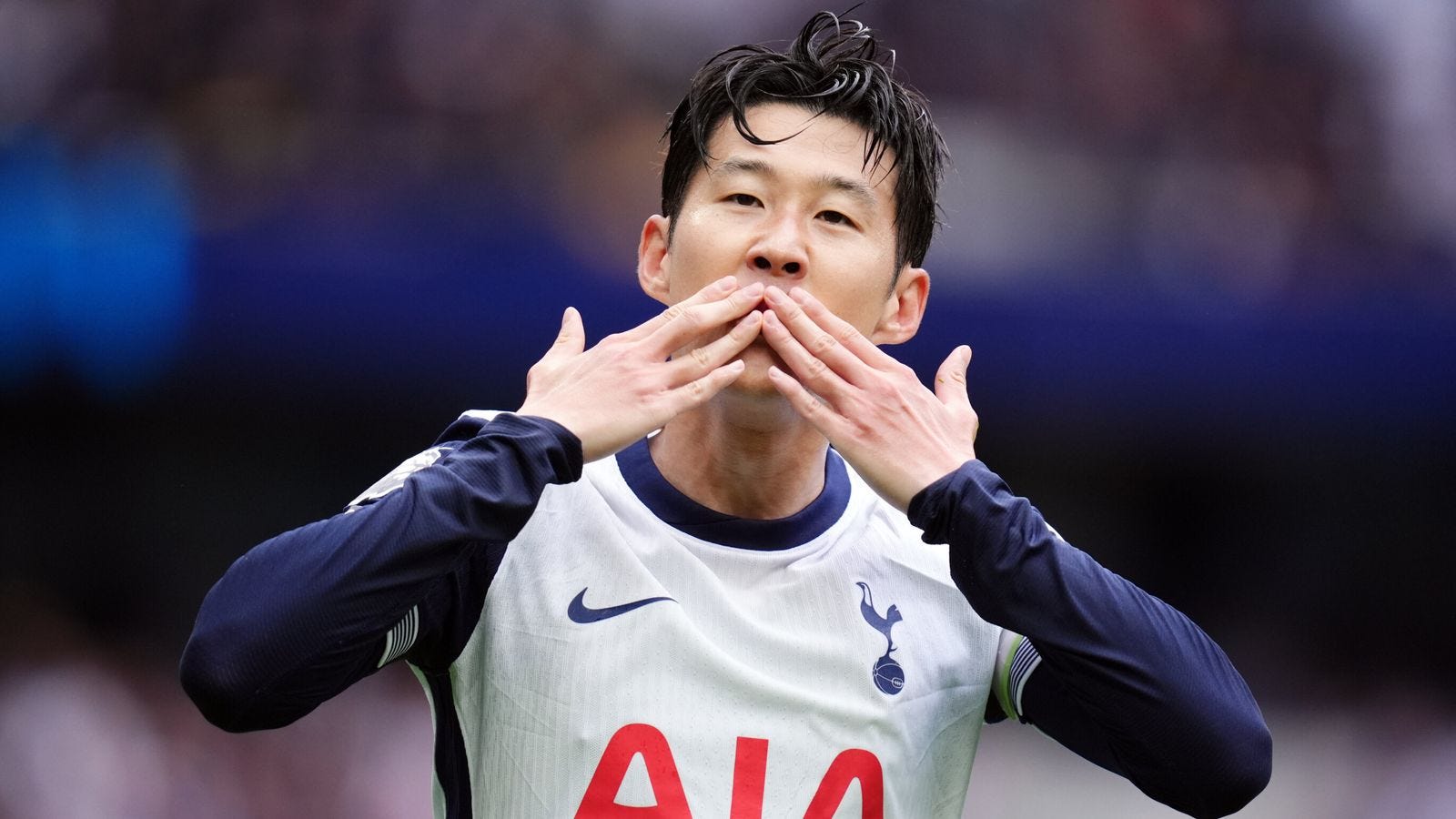
James Maddison and Dejan Kulusevski missed the entire campaign. Dominic Solanke barely featured. Son Heung min departed. Cristian Romero faced suspension and injury. Ten senior players were unavailable at times.
That is disruption on a scale that would unsettle any coach.
Yet recruitment compounded the instability. Spurs spent heavily. Xavi Simons, Mohammed Kudus, Joao Palhinha, Randal Kolo Muani, Conor Gallagher. On paper, reinforcement. In reality, a patchwork.
Targets slipped away. Bryan Mbeumo chose elsewhere. Antoine Semenyo did the same. Morgan Gibbs White signed a new deal. Eberechi Eze drifted out of reach. Spurs reacted rather than dictated.
Young talent arrived, but elite teams require hardened spine and leadership. Tottenham remain a side of promise without authority.
Above the pitch, turbulence persisted. Daniel Levy’s abrupt departure. Fabio Paratici’s return and exit. Senior reshuffles. Strategic uncertainty. Clubs can survive injury crises. They struggle to survive identity crises at boardroom level.
When decision making lacks clarity, the coach becomes the lightning rod.
Frank walked into a club mid turn of a super tanker, to use his own phrase. He believed it was moving in the right direction. The current league table suggests the compass was faulty.
Was the Sacking Right?
Yes.
Harsh, perhaps. Inevitable, certainly.
Relegation fights are unforgiving. Spurs were sliding into one. Twelve games remaining, no league win in 2026, home form toxic. Sentiment becomes indulgence in such moments.
Frank is a capable coach. His work at Brentford proved that. Stability, structure, overachievement. He built something coherent and durable.
Tottenham offered scale without stability. Bigger stage, smaller margin for error. He swapped job security for scrutiny, cohesion for volatility.
The grass was not greener. It rarely is when foundations are unsettled.
Yet sacking him does not resolve the central question.
Who is Tottenham Hotspur?
Are they a project club built on data and youth, patient in ambition? Are they a glamour institution chasing immediate status? Are they a counter attacking European pragmatist? An attacking romantic?
In recent years they have been all and none of these.
Managers have arrived with reputations. They have left with reputations bruised. Jose Mourinho. Antonio Conte. Postecoglou. Frank. Different ideologies, similar endings.
At some point, recurrence ceases to be coincidence.

ENIC and the Blame Game
Ownership cannot escape scrutiny either. ENIC and Joe Lewis have presided over an era of financial growth, stadium expansion and commercial elevation, yet on the pitch the return has been drift rather than dominance.
Tottenham have modern infrastructure and elite revenue streams, but the football operation has lurched between ideologies with little continuity. Managers are hired to fit moments rather than a master plan.
Investment arrives, but not always with cohesion. When a club cycles through high profile coaches and lands in the same league position, accountability travels upwards as well as down.
Dressing Room Dynamics and Cultural Fault Lines
One detail lingers.
By many accounts, the squad loved Postecoglou. His personality filled rooms. His conviction infected minds. Even when results dipped, emotional equity remained.
Frank did not command that same warmth. Respect, perhaps. Affection, no.
Modern players respond to authenticity and clarity. They also respond to momentum. When defeats accumulate, belief thins.
Reports of players appearing disconnected after defeats, walking straight down the tunnel rather than acknowledging supporters, signal more than frustration. They suggest fracture.
Culture is not rebuilt through tactical diagrams alone. It requires narrative. Frank offered method. Tottenham required myth and momentum.
He had neither on his side.
What Comes Next
Short-term survival.
Tottenham need points, not philosophy. A pragmatic interim may steady nerves. A charismatic appointment could reignite connection. A permanent solution might wait until summer when market options widen.
Names will circulate. Mauricio Pochettino, romantic return. Roberto De Zerbi, stylistic gamble. Andoni Iraola, progressive architect. Each brings appeal and risk.
Spurs must decide what they want before deciding who they want.
Recruitment must align with ideology. Injuries must be managed with greater foresight. Senior leadership must stabilise. Otherwise, the next appointment will face the same undertow.
This squad is not devoid of quality. Kudus can electrify. Simons can mature into influence. Gallagher adds steel. Romero leads when fit. There is talent here.
But talent requires structure and belief.
Bigger Than One Manager
There is a temptation to treat each dismissal as catharsis. Relief rippled through sections of the fanbase. Others expressed sympathy. A few questioned the logic.
All are understandable.
Frank was not a fraud. He was not incompetent. He was a coach ill suited to the ecosystem he entered, at a time when that ecosystem was unstable.
Tottenham are neither cursed nor doomed. They are misaligned.
When ownership ambition, executive coherence, recruitment strategy, squad composition and managerial philosophy converge, clubs flourish. When they drift apart, even good coaches falter.
Spurs have spent years oscillating between visions. Attack then control. Youth then experience. Patience then panic.
The league table does not lie. Sixteenth is not variance. It is warning.
Frank’s dismissal buys time. It does not buy clarity.
Conclusion
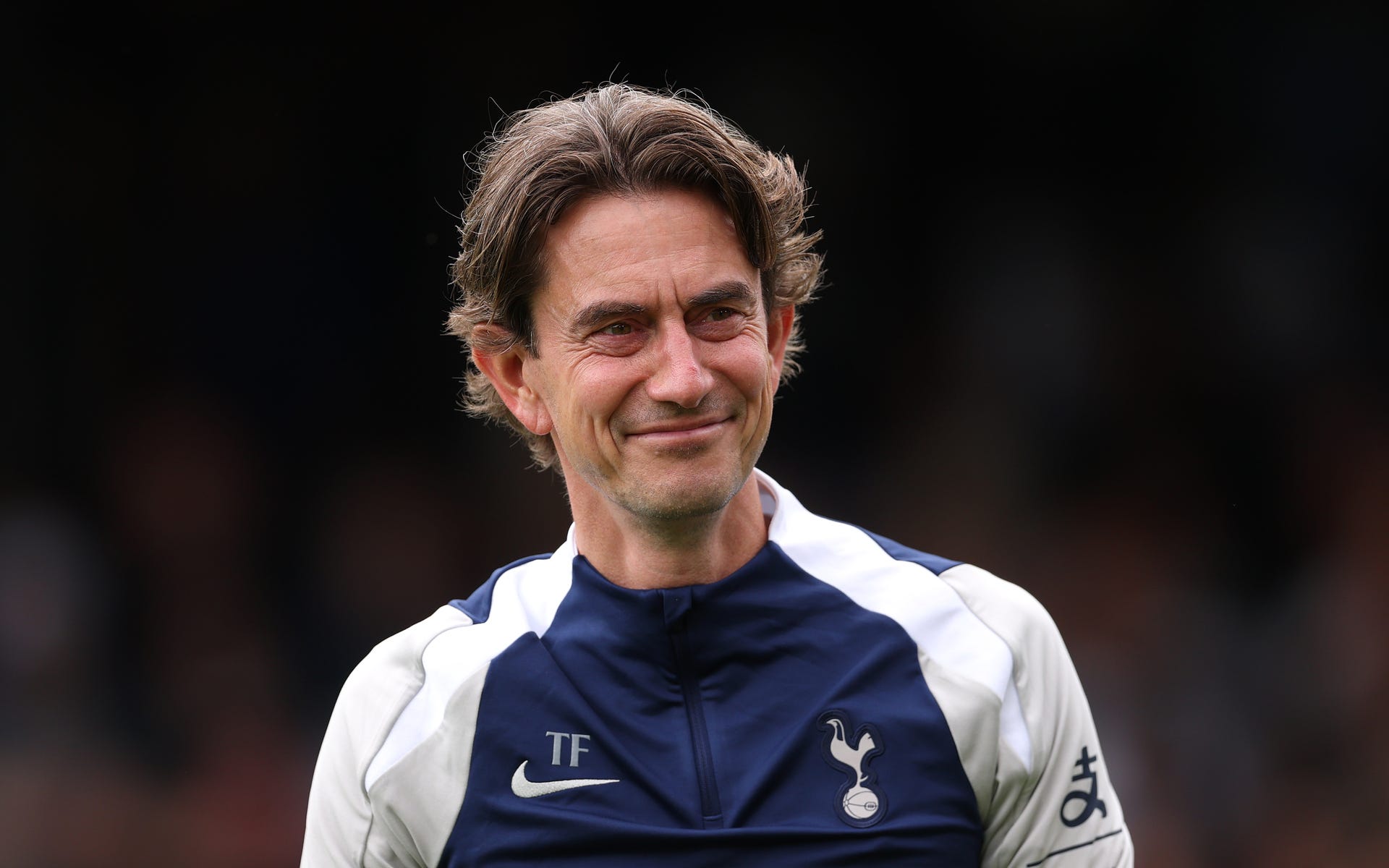
Thomas Frank leaves Tottenham diminished but not discredited. His tenure will be remembered as a miscalculation of fit and timing rather than ability.
For Spurs, this is another fork in a road they have already travelled too many times.
They can appoint again and hope. Or they can define themselves and build with conviction.
Relegation fear concentrates the mind. Perhaps that urgency will force sharper thinking.
For now, a manager has gone. The deeper questions remain.
And until those are answered, Tottenham Hotspur will continue to change faces while staring into the same mirror.