

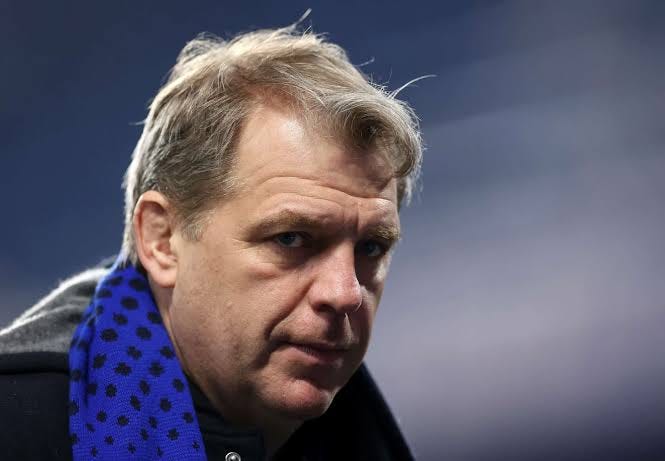
Chelsea have a single controlling owner again. Todd Boehly and Mark Walter have sold their combined 25% stake in the club to Clearlake Capital, the private equity firm confirming this week that it now holds full control of the west London club in a deal that values Chelsea at £5 billion including debt.
The sale, worth £950 million, brings Boehly’s four years as chairman to an end. He and Walter fronted the £2.5 billion consortium that bought Chelsea from Roman Abramovich in 2022, after the Russian owner was forced to sell in the wake of sanctions imposed following the invasion of Ukraine. Boehly became the public face of the new ownership, a regular presence on the touchline and in the boardroom, while Clearlake provided the bulk of the financial backing behind the scenes.
That arrangement has now unwound completely. Clearlake, which held 61.5% before this week’s deal, has increased its shareholding to 86.5%. Swiss billionaire Hansjorg Wyss, an existing minority investor, has grown his stake to 13.5%. Boehly, Walter and fellow board member Jonathan Goldstein are all stepping down and will have no further role in Chelsea’s governance, management or decision making. Notably, the club will not appoint a new chairman to replace Boehly, with Clearlake’s Behdad Eghbali now the dominant voice in how Chelsea is run.
Why the partnership finally broke down
The relationship between Boehly and Clearlake had been strained for some time, and this felt less like a sudden decision than the conclusion of a slow separation. Boehly had previously suggested the owners could go their separate ways over the club’s long running stadium dilemma, torn between redeveloping Stamford Bridge on its current site and relocating to a new stadium near Earl’s Court. That disagreement was never fully resolved in public, but it pointed to a wider gap in how the two parties saw Chelsea’s future.
Money mattered too. Chelsea posted a Premier League record loss of £262.4 million for the year ending June 2025, a figure that reflected years of heavy spending on young talent under the club’s long term contract strategy and repeated squad overhauls. Financially, Boehly and Walter are understood to have made only a modest profit on their original investment, a reminder of how difficult it has been to turn Chelsea’s transfer market gambles into stable footballing or financial returns.
Boehly struck a gracious note on his way out. “It has been an honour to serve as chairman of Chelsea,” he said, adding that he had confidence in Clearlake’s leadership going forward. There was no suggestion of acrimony in the club’s official announcement, even if the background briefings in recent months had painted a picture of two ownership factions increasingly pulling in different directions.
Alonso welcomes the clarity
For Xabi Alonso, appointed as Chelsea’s manager back in May, the change brings something he has been short of since arriving at the club: a single clear line of authority. Speaking about the takeover, Alonso called it “an important day for the club” and pointed to his existing working relationship with Eghbali as a source of reassurance rather than concern.
“I have a very good relationship with Behdad,” Alonso said. “He was the one who came to Madrid to explain the project to convince me and we are working well together.” The Spaniard also thanked Boehly and Walter for their contribution during their four years in charge, before framing the ownership change as the completion of what he called the first phase of Chelsea’s rebuilding project.
That description matters. Alonso’s Chelsea have continued the policy of recruiting heavily among young, developable talent that defined the Boehly and Clearlake era from the outset, and there is no indication that strategy is about to change now that Clearlake has sole control. The club were quick to stress that day to day operations, leadership and transfer strategy will remain as they are, with Alonso retaining full support from the ownership group he now answers to.
A familiar pattern in the Premier League
Chelsea’s ownership reshuffle fits a broader trend of private equity consolidating its grip on English football’s biggest clubs, with investment vehicles increasingly buying out the more visible, individual faces who fronted takeovers in the first place. Boehly’s departure removes one of the most recognisable figures from Chelsea’s boardroom, the co-owner who was as likely to be photographed courtside at a Los Angeles Dodgers game as he was pitchside at Stamford Bridge.
What it means in practical terms for supporters is less dramatic than the size of the transaction suggests. Clearlake has run the football operation in partnership with Boehly for four years already, and the personnel actually shaping recruitment, coaching appointments and the club’s academy strategy remain in place. The removal of a boardroom rival, rather than the arrival of new footballing ideas, is the real story here.
The stadium question remains the one genuinely open issue. With Boehly no longer a voice in that debate, Clearlake and Eghbali will have the final say on whether Chelsea eventually leave Stamford Bridge or find a way to redevelop their current home. Given how long that decision has already dragged on, few at the club expect an announcement soon, but the removal of one side of the old ownership tension at least clears the way for a single decision maker to make the call whenever it comes.
For now, Chelsea’s focus stays on the pitch, where Alonso has the clarity he wanted and a squad still being shaped around the long term project that brought him to the club in the first place. Everything else, for the moment, is a boardroom matter rather than a footballing one.
If you enjoyed this, consider subscribing to It Was Always… Football for more stories like this one.