

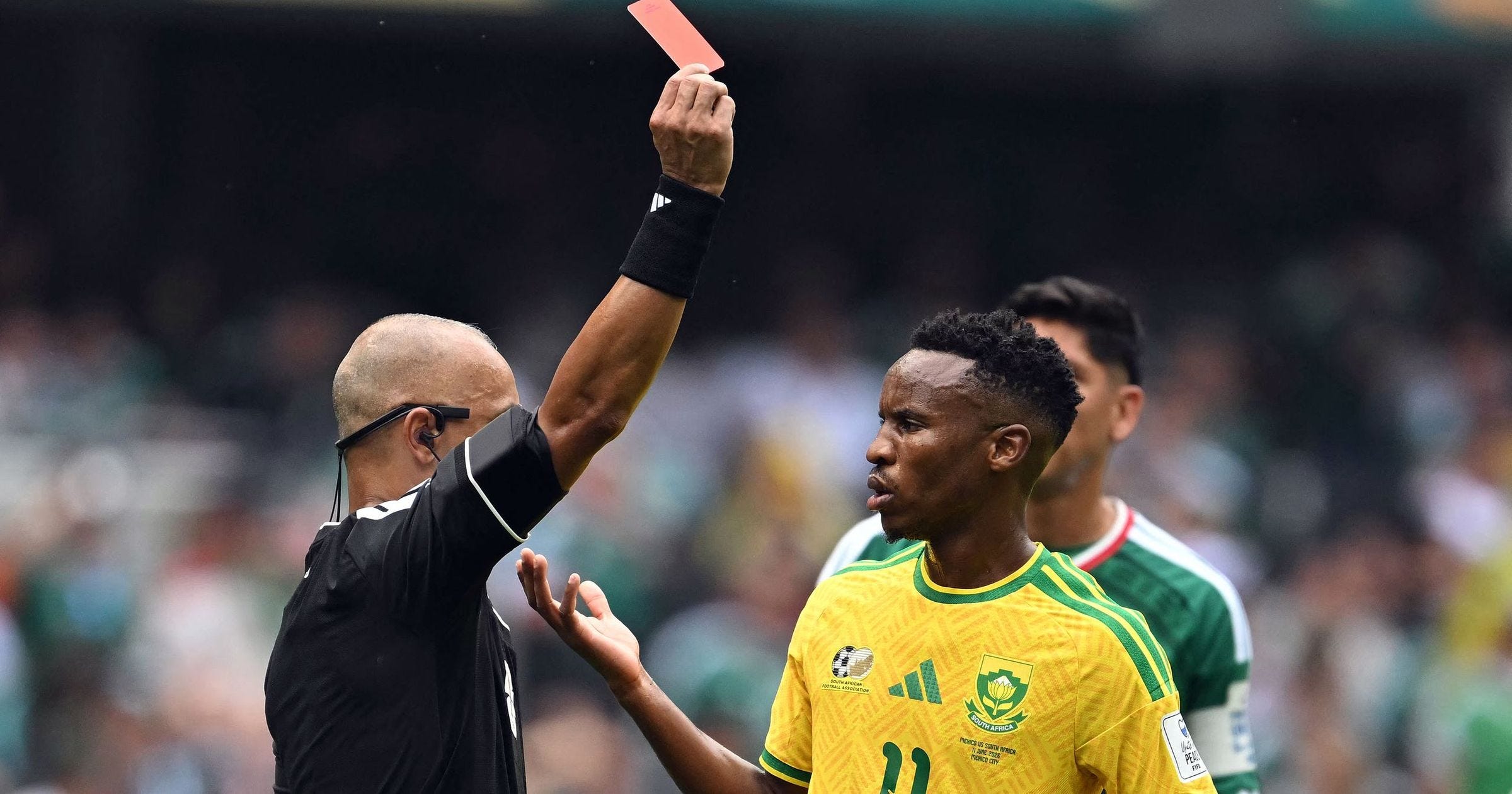
When three red cards were shown during the opening match of the 2026 World Cup, it did not take long for questions to emerge.
Had FIFA instructed referees to take a tougher stance? Were officials preparing to crack down on player behaviour throughout the tournament? Could this World Cup become remembered for disciplinary controversy rather than football?
Just a few hours later, those questions already look less certain.
South Korea’s meeting with Czech Republic provided a stark contrast to the drama seen in Mexico City’s opening fixture. In fact, the match was played in such a disciplined manner that the referee did not produce a single card until the 96th minute, when South Korea’s Lee Gi-Hyuk was shown a yellow card deep into stoppage time.
No reds.
No VAR controversies.
No major flashpoints.
Just football.
Suddenly, the narrative around FIFA’s officials appears far less straightforward.
Opening Night Shock
Mexico’s 2-0 victory over South Africa produced three dismissals, the highest number seen in a World Cup match since 2006.
South Africa’s Yaya Sithole was sent off for denying Brian Gutierrez a clear goalscoring opportunity.
Team-mate Themba Zwane followed after a VAR review deemed an off the ball incident to be violent conduct.
Mexico defender Cesar Montes then received his own red card late in the game after bringing down Khuliso Mudau.
Coming after tournaments in Russia and Qatar that each produced only four red cards in total, it immediately caught attention.
Many wondered whether FIFA’s referees had been instructed to adopt a more aggressive approach.
The Bigger Picture
One match rarely tells the full story of a tournament.
South Korea and Czech Republic
demonstrated exactly why caution is needed before drawing sweeping conclusions.
The game was competitive but controlled. Players largely stayed on the right side of the laws and the referee rarely found himself at the centre of proceedings.
The fact that the first booking arrived six minutes into added time suggests discipline may not be the major story some feared after the opener.
Instead, Mexico versus South Africa may simply have been an unusual game that happened to contain several incidents worthy of punishment.
FIFA’s Message Remains Clear
That does not mean FIFA has softened its stance.
The governing body has spent recent years attempting to improve player behaviour, reduce time wasting and eliminate unnecessary confrontation.
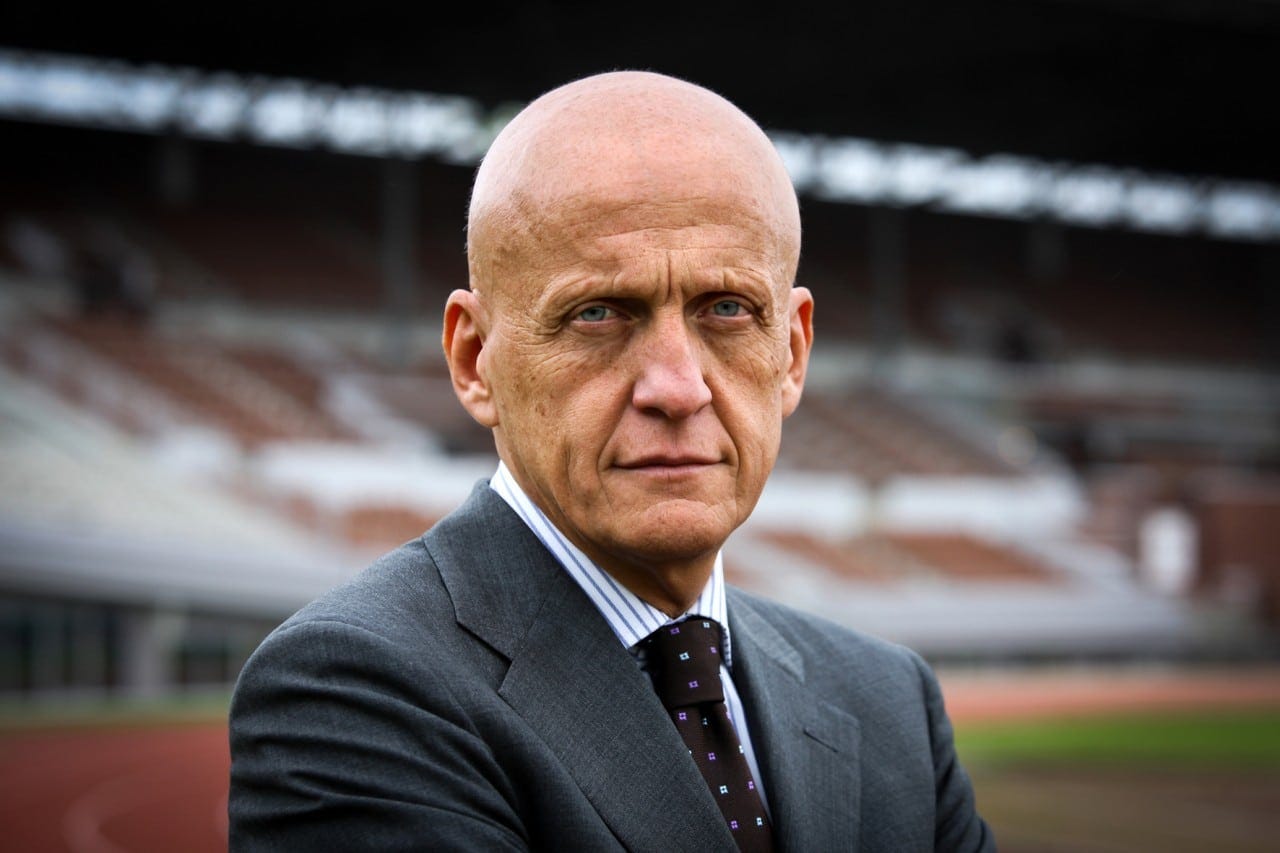
Pierluigi Collina and FIFA’s refereeing department have repeatedly stressed the importance of protecting the image of the game.
Officials remain under pressure to deal firmly with incidents involving violent conduct, dissent and cynical fouls.
However, the second match of the tournament suggests referees are not looking to dominate proceedings unnecessarily.
When players remain disciplined, cards appear likely to stay in the referee’s pocket.
A Tournament Worth Watching
The opening game sparked headlines. The second game restored a degree of perspective.
Three red cards in one match remains a remarkable statistic, particularly in the modern era.
Yet one yellow card in the next fixture serves as a reminder that World Cup narratives can change quickly.
For now, it may be too early to talk about a FIFA crackdown.
What the opening two matches have shown is that referees are prepared to act when required, but equally willing to let the football take centre stage when players give them the opportunity.
That is probably exactly the balance FIFA would like to see over the next month.