


Football has always demanded results. Now it demands survival.
Contracts hinge on league position. Managers are judged monthly. Sporting directors gamble careers on recruitment calls. Owners measure progress in balance sheets and share value. A missed Champions League spot can swing finances by tens of millions. A failed season can cost jobs from the dugout to the boardroom.
So when analysts find a way to win, a thread to pull, they pull it until it snaps.
If that thread is set pieces, so be it. If it is controlled aggression at corners, so be it. If it means reducing matches to low-risk chess matches decided by dead balls, that is what we get.
It is not pretty. It is not romantic. But it is not new.
Pressure Shapes Tactics in the Premier League
The modern Premier League is a pressure cooker. Financial regulations tighten margins. Wage bills swell. Every point carries commercial weight.
Look at the way teams now approach games. Risk reduction is the default setting. Mid blocks dominate. Games are squeezed into narrow corridors. Attacks are rehearsed patterns, not spontaneous bursts.
Managers speak openly about pragmatism. Even coaches known for expansive football adapt to survive. A side like Liverpool, once defined by ferocious counter attacks, now leans heavily on dead ball precision. Corners are treated as golden opportunities. Long throws are engineered. Second phase routines are drilled.
That is not coincidence. It is calculation.
When open play becomes congested, when mid blocks suffocate space, the numbers point to set pieces as reliable currency. Data departments know it. Coaching staffs know it. Players know it.
So they lean in.
The result is a league where corners feel like penalties and open play feels like negotiation.
Corners, Chaos and Calculated Fouls
The most obvious symptom is the corner kick.
Crowds gather in the six yard box. Shirts are tugged. Arms are wrapped. Goalkeepers are crowded, nudged, unsettled. Referees talk, gesture, warn. The grappling continues.
It is choreographed mayhem.
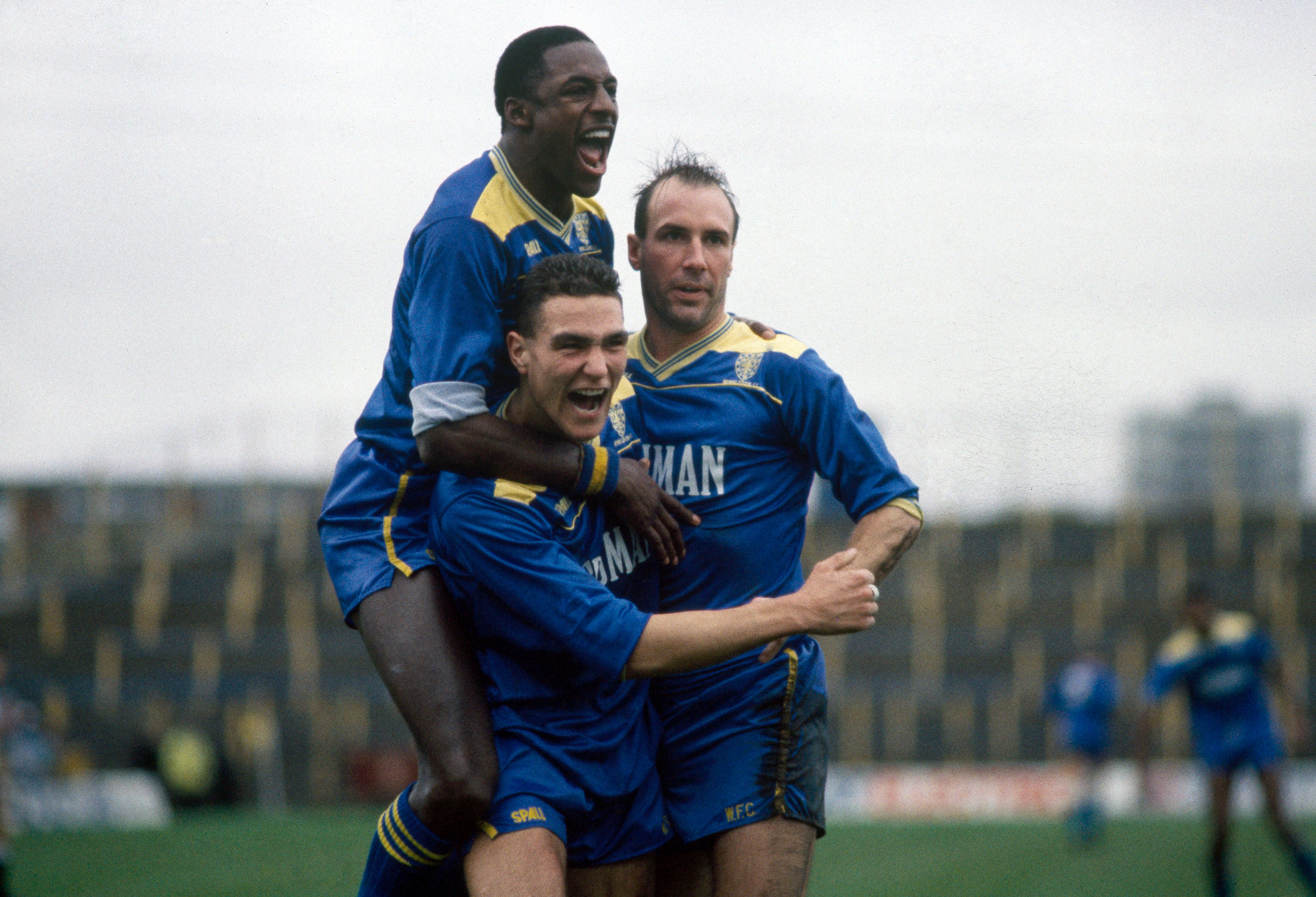
You can trace the lineage. In the 1980s and 1990s, Wimbledon built an identity on physical confrontation. Long balls. Set plays. Intimidation. It was crude but effective.
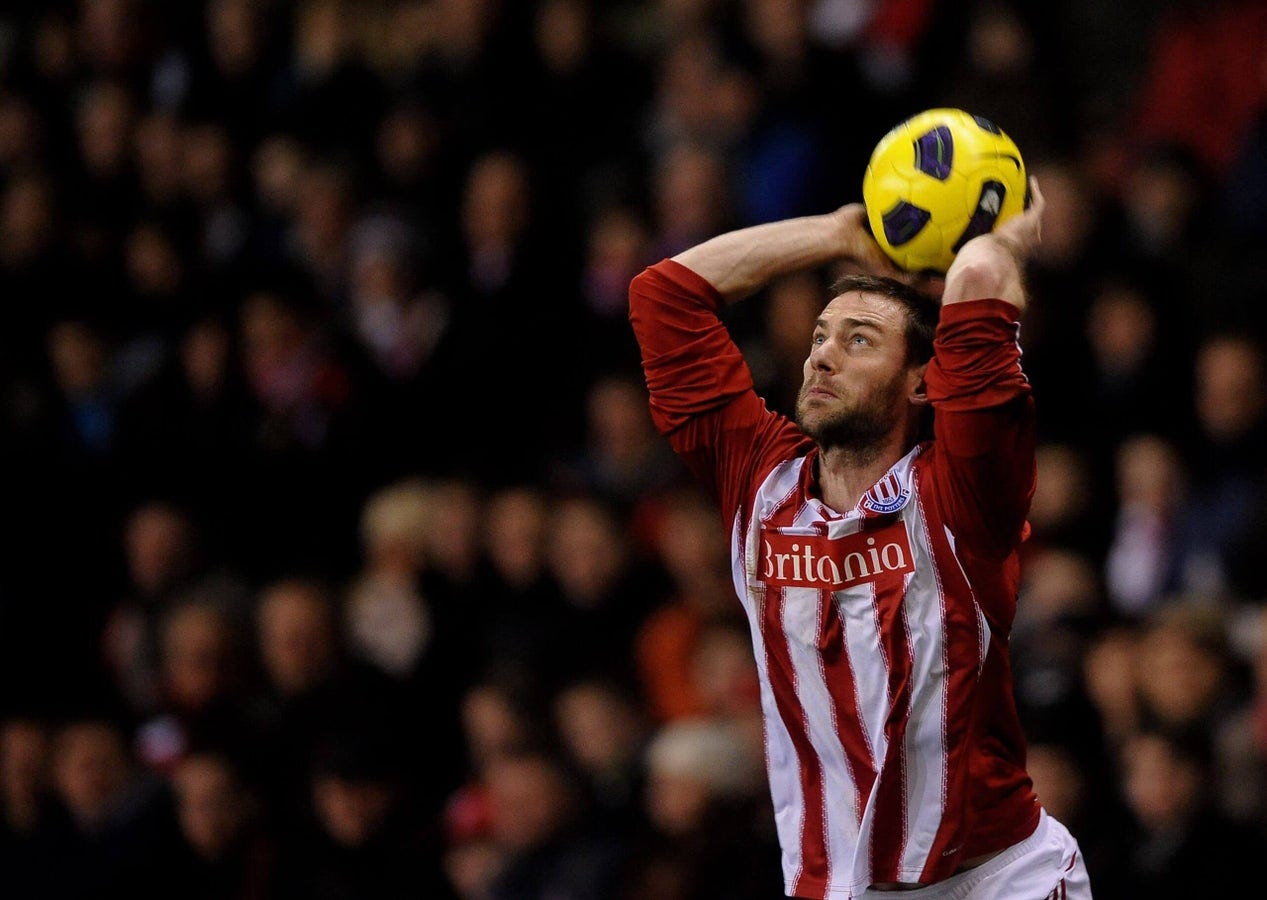
In the 2000s, Stoke City refined it. Rory Delap’s throw ins became weapons. Centre halves attacked the ball like artillery shells. Opponents hated it. Stoke did not care.
What we see now is the same principle, upgraded.
Instead of mid table squads fighting above their weight, you have clubs armed with superior athletes, superior conditioning, superior analysis. The methodology is identical. The quality is higher.
When a team knows it can generate a disproportionate share of expected goals from corners, why would it not? When referees hesitate to award five penalties per game for holding, why would defenders stop grappling?
The incentives are clear. Push the boundaries. Play the odds. Accept that not every foul will be punished.
It is awful to watch at times. But it is logical.
Physicality Over Poetry
There is a wider shift too. The Premier League has tilted toward physical dominance.
Powerful midfielders. Centre backs built like heavyweights. Wide players who sprint first and finesse second. Even the tactical debates revolve around duels, second balls and transitions.
Across Europe, leagues still celebrate control and craft. In England, the emphasis is speed and contact. That carries into European competition, where English sides often overwhelm opponents with intensity alone.
Managers adapt to the environment. A coach might prefer flowing positional play, short combinations and aesthetic superiority. Yet if the league rewards mid blocks, rest defence and dead ball efficiency, he adjusts.
You see teams that once pressed relentlessly now managing energy. You see sides that once attacked with abandon now protecting margins.
It is not that coaches dislike beauty. It is that beauty does not guarantee fourth place.
And fourth place can mean the difference between expansion and contraction.
Contracts, Careers and Consequences
Strip it back and the explanation is simple.
A top four finish secures Champions League revenue. That revenue secures commercial partnerships. Those partnerships justify transfer spending. That spending protects status.
Miss out and the spiral begins.
Players have release clauses linked to European qualification. Executives face scrutiny. Owners question direction. Supporters grow restless.
In that climate, nobody is chasing style points.
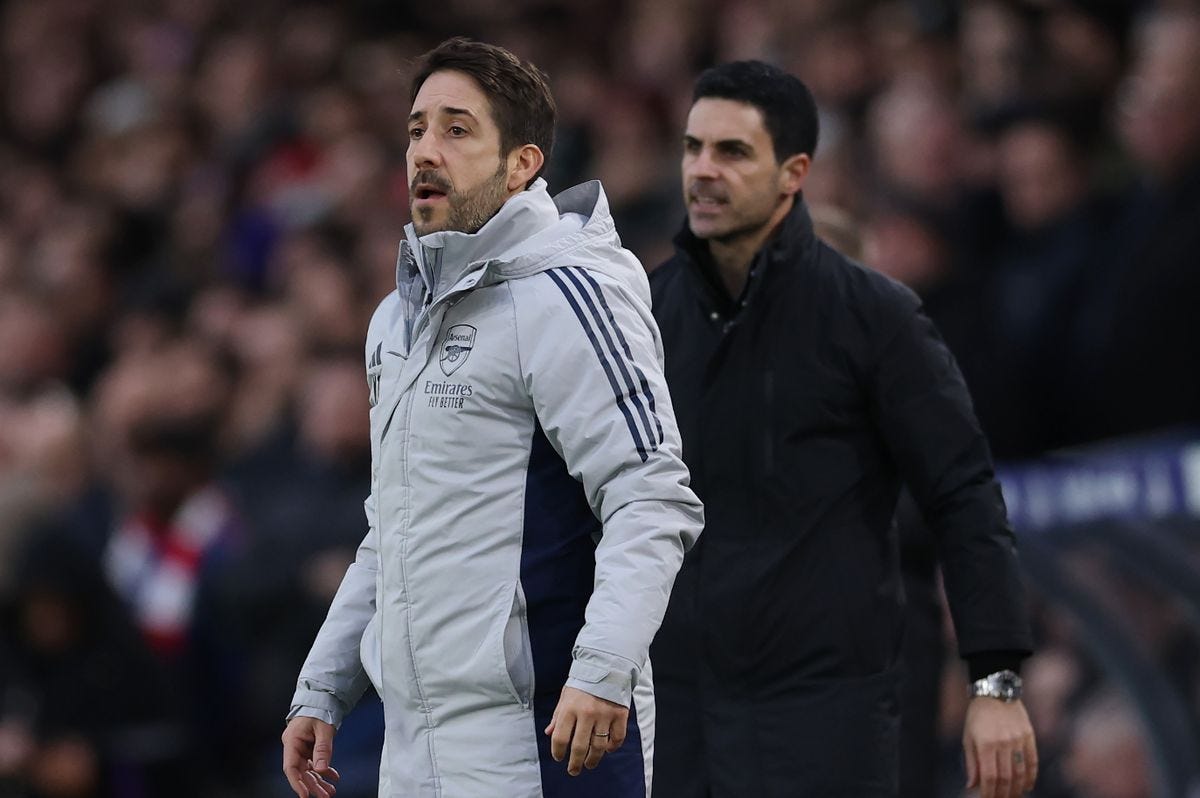
If a manager can gain a 10% edge from set pieces, he will chase it. If a sporting director can recruit height and aerial threat to tilt marginal games, he will do it. If a goalkeeper coach can find a weakness in zonal marking, it becomes a training ground obsession.
The Premier League has become a series of small advantages stacked carefully on top of each other.
And that is why the game often feels tense rather than joyful.
Why This Isn’t New
There is a temptation to romanticise the past. To imagine a time when football was purer.
It never was.
Wimbledon bullied their way to an FA Cup. Stoke turned throw ins into scoring chances. Italian sides in the 1990s suffocated opponents with defensive mastery. English teams in the 1980s thrived on direct power.
Football has always cycled between expansion and compression.
What changes is the quality of the tools.
Today’s set piece routines are data driven. Today’s physical duels are measured in performance labs. Today’s direct play is executed by internationals, not journeymen.
The core instinct remains the same. Win first. Justify it later.
The difference now is the scale of consequence. Broadcasting deals are global. Club valuations stretch into billions. Relegation carries existential risk. A poor recruitment window can derail a five year plan.
In that world, romance is a luxury.
Set Piece Football and the Modern Identity Crisis
Does that mean the game has lost its soul?
Not necessarily.
Set pieces have always been part of football. They require timing, courage and intelligence. Defending them demands organisation and nerve. There is craft in delivery, bravery in attacking the ball.
The issue is volume.
When too many matches hinge on corners and free kicks, when open play is reduced to cautious probing, the spectacle narrows. Supporters sense it. The anxiety in stadiums grows. A 1-0 lead feels fragile. A conceded corner feels ominous.
It becomes a game of tension rather than expression.
Yet this is the ecosystem clubs operate in.
The Premier League’s wealth ensures depth. Even mid table teams possess athletes capable of shutting down space. The margins are slim. So managers search for reliability.
Set pieces are reliable.
Where It Leads
The question is not whether this trend exists. It does.
The question is whether it persists.
Football evolves when someone breaks the pattern. A team rediscovers high tempo combinations and overwhelms mid blocks. A coach finds a way to stretch defences without surrendering control. Referees enforce holding at corners more strictly and reset the balance.
Cycles turn.
For now, the pressure to win suffocates risk. Analysts mine data. Coaches drill routines. Players grapple in crowded boxes. The game bends toward control.
It may not be pretty. It may grate on those who crave fluidity. But it is coherent.
This is elite sport under financial strain.
And until the incentives change, until finishing fifth (or most likely sixth this season) carries no penalty and finishing fourth carries no jackpot, the calculus remains the same.
Find the edge. Pull the thread. Win the game.
Everything else is secondary.