

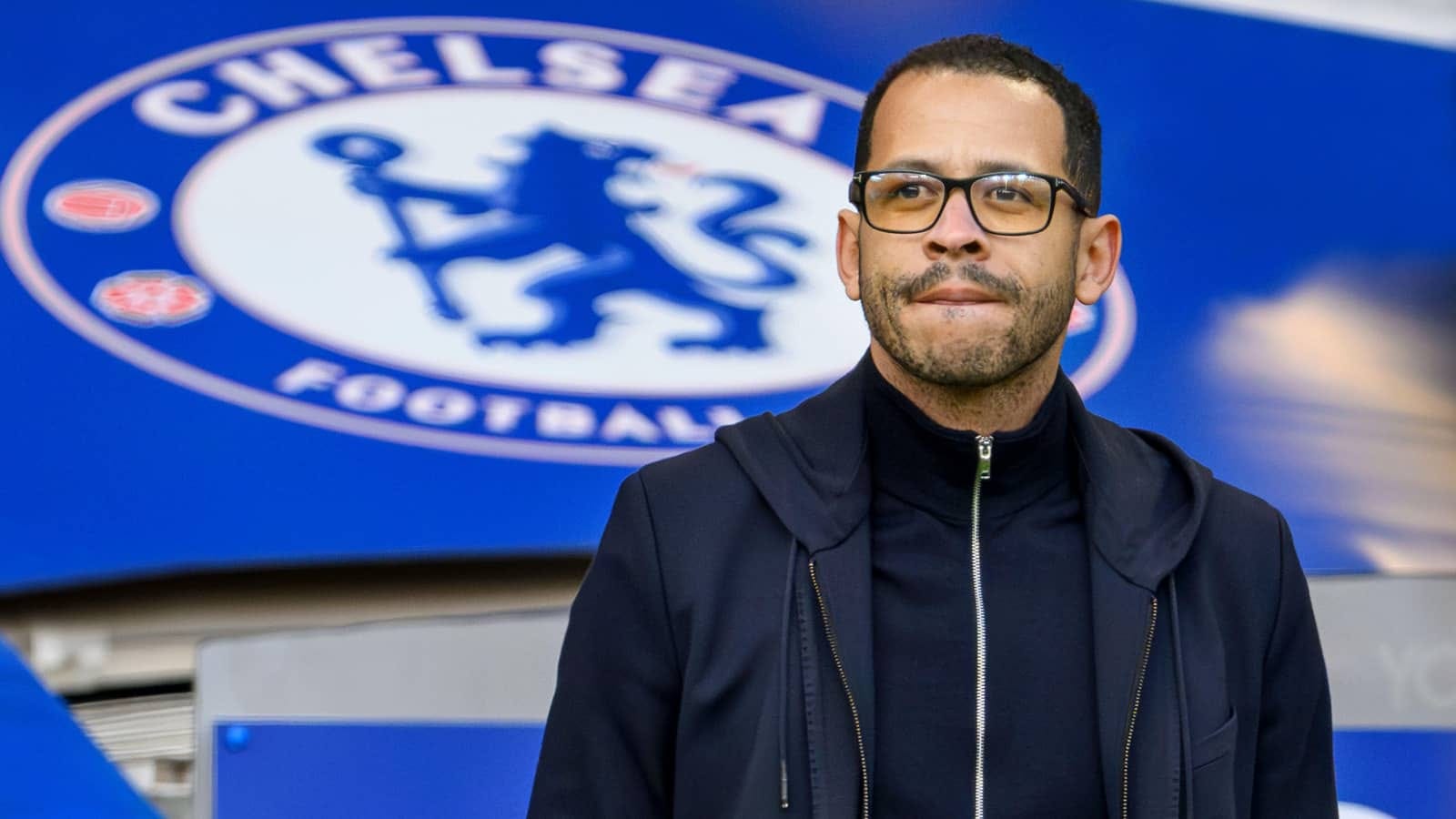
At Chelsea, the story keeps repeating itself. A new coach arrives with fresh language, fresh ideas, and fresh hope. Within weeks, the noise begins. Within months, the exit follows. Liam Rosenior lasted barely long enough to unpack his methods before the ground shifted beneath him.
This was not simply a poor run of results. It was something deeper, something more familiar. Authority was absent from the first whistle.
Elite football does not wait for a manager to grow into the role. It demands instant credibility. That credibility comes from one of two places, either a record of success or a reputation that carries weight in the dressing room. Rosenior had neither in sufficient measure for a club of this scale. He was asked to command a room full of expensive internationals armed only with potential and a long contract. That is not authority, that is wishful thinking.
The modern dressing room is not romantic. It is transactional. Players respond to conviction backed by proof. When results dip, belief follows. When belief goes, authority collapses. That collapse was visible long before the final defeat. It was there in hesitant pressing, in players second guessing instructions, in a team that looked like it was listening without hearing.
You cannot fake command at this level. You either walk in with it or you earn it through results. Rosenior was given no time to do either.
Strategy without football sense
There is a growing pattern at Chelsea, one that stretches beyond any individual manager. The club speaks the language of long term planning, yet acts with short term panic. Contracts stretch into the next decade, decisions barely last a season.
The appointment itself told the story. A coach closely aligned to the internal structure, comfortable within a system designed above him. It looked tidy on paper. It ignored the reality of football.
Continuity was the aim. Disruption was the outcome.
Tactically, the shift was abrupt. Systems changed, defensive structure weakened, attacking cohesion vanished. Players were asked to adapt quickly to a style that demanded energy and precision at a time when confidence was draining. The result was confusion. Confusion breeds hesitation. Hesitation gets punished in the Premier League.
But the deeper issue sits above the tactics. This is a club building a model first and a team second. Recruitment leans towards youth, resale value, and long term upside. Experience becomes secondary. Leadership becomes optional. That imbalance shows when pressure arrives.
Football is not a spreadsheet. It requires judgement, personality, and understanding of human dynamics. Chelsea’s approach often feels detached from that reality. The idea is clear. The execution is flawed.
Sacking the manager does not correct that flaw. It simply resets the cycle.
Players without leadership
When a team loses five league matches without scoring, it is easy to point at tactics. Harder to confront is what happens between the lines.
This Chelsea side lacks presence. Not talent, not potential, but presence. The kind that steadies a match, demands standards, and drags teammates forward when momentum turns.
In previous eras, Chelsea teams were defined by figures who carried authority on the pitch. Players who could shift the mood of a game through force of will. That edge is missing.
Instead, there is a group that looks uncertain under pressure. Confidence fades quickly. Mistakes multiply. Effort becomes uneven. These are not technical flaws alone. They are symptoms of a fragile environment.
The manager is expected to solve that. But leadership cannot be imposed from the touchline alone. It must exist within the squad.
Comments from players during this period only deepened the problem. Public doubts, questions over direction, hints of dissatisfaction. Whether fair or not, they erode the manager’s position. Once that erosion begins, recovery is rare.
Rosenior’s criticism of his own players in his final days carried truth. The response from the pitch suggested that truth had not been accepted.
At top clubs, players drive standards as much as coaches. At Chelsea, that balance feels broken.
Next appointment dilemma
The next decision will define more than the remainder of the season. It will define whether Chelsea have learned anything at all.
The market offers options, young coaches with promise, experienced managers with authority, familiar faces with emotional pull. Each comes with risk. Each comes with conditions.
The key question is simple. What kind of manager does this structure allow to succeed?
If the model remains unchanged, the answer narrows quickly. Elite managers demand control, or at least influence. They expect a say in recruitment, in squad balance, in direction. Without that, they walk away. Those who accept reduced control are often those still building their reputation. That brings the same risks seen before.
It becomes a loop. Appoint potential, hope for growth, lose patience, start again.
There is also the issue of credibility. Managers talk. Agents talk. The perception of Chelsea as a volatile environment grows with every short tenure. That perception affects who is willing to take the job, and under what terms.
A reset is needed, not just in personnel but in thinking. Stability cannot be declared, it must be demonstrated. Authority cannot be assigned, it must be respected.
Until that happens, the identity of the next manager may not matter.
A cycle that keeps repeating
This is not an isolated failure. It is part of a pattern.
Chelsea have now moved through multiple managers in a short period, each arriving with a different idea, each leaving with similar problems. The squad evolves without settling. The strategy shifts without stabilising. The results fluctuate without consistency.
Blame spreads easily in such an environment. The manager, the players, the recruitment, the ownership. In truth, all carry a share.
Rosenior was not blameless. His tactical adjustments did not solve the decline. His authority did not grow as needed. But focusing solely on his shortcomings misses the wider point.
He was placed in a role that demanded immediate control without the tools to enforce it. He was asked to lead without the backing of results, reputation, or time. That is a difficult equation for any coach, let alone one still developing.
The decision to appoint him carried risk. The decision to remove him confirms that risk was not properly understood.
Where Chelsea go from here
There is still a season to salvage. European qualification remains within reach. The FA Cup semi-final this weekend offers distraction and opportunity. The interim period will be about stabilising performances, restoring basic structure, and reconnecting players to purpose.
But the real work lies beyond the next match.
Chelsea must decide what they want to be. A club driven by long term financial logic, or one grounded in football reality. Ideally both, but that balance requires clarity.
Right now, that clarity is missing.
Authority must be restored, in the dressing room, on the pitch, and within the structure above. Experience must complement youth. Leadership must sit alongside potential. Decisions must reflect the demands of elite competition, not just the appeal of future value.
Until then, the cycle will continue.
Managers will come and go. Promises will be made and broken. And the noise around Stamford Bridge will grow louder.