

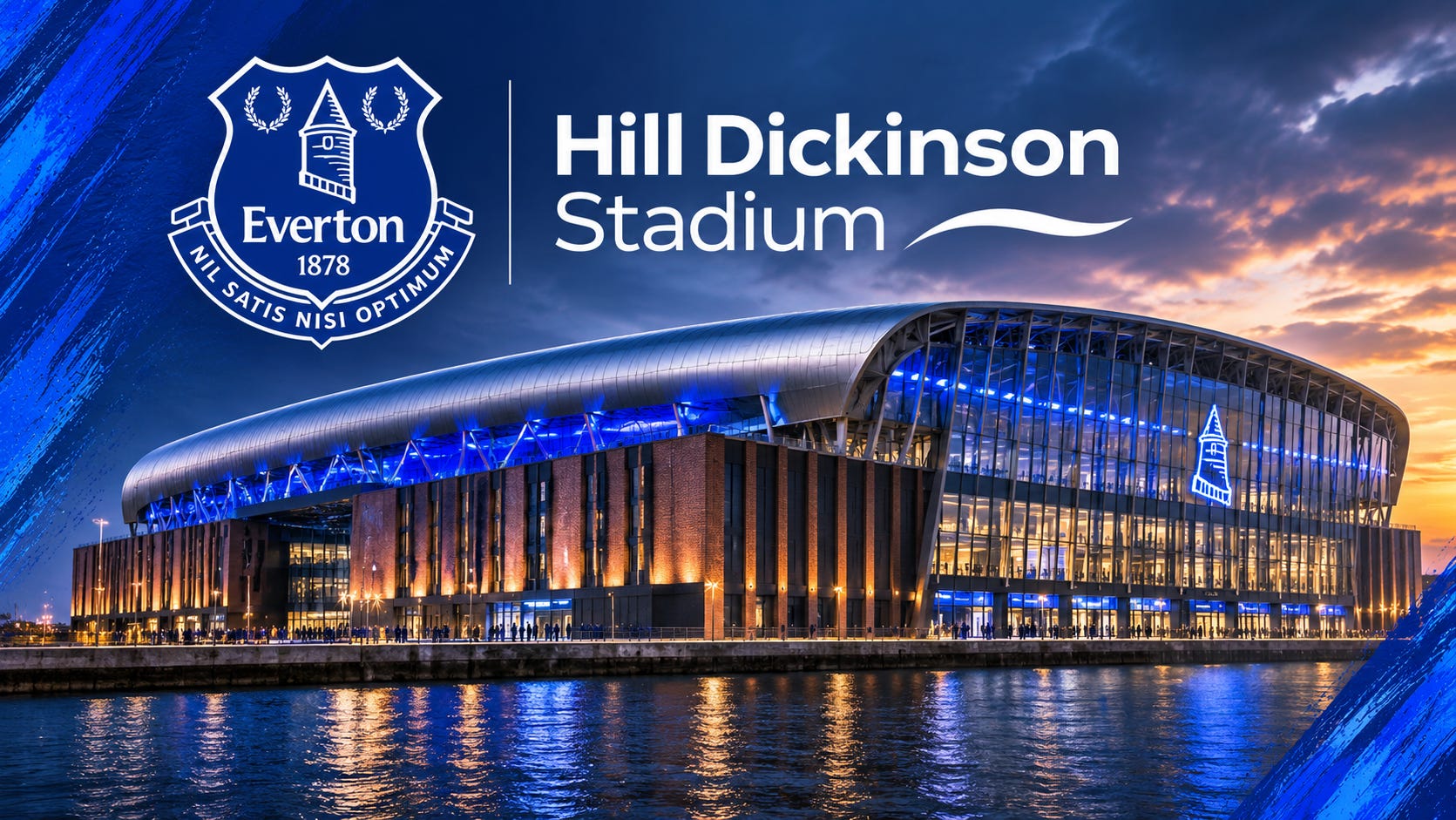
Everton have spent the best part of two years trying to escape the shadow of boardroom chaos, and for a while this season it looked like they were managing it. David Moyes has them seventh in the Premier League, their best start under him since his return, playing in front of packed crowds at the new Hill Dickinson Stadium on the banks of the Mersey. Then, on 9 October, their American owners announced they were open to selling up.
The Friedkin Group, who completed their takeover from Farhad Moshiri in December 2024, said in a statement that the time felt right “to consider the next chapter” for the club. Three and a half weeks on, that process is already moving, with the investment bank Moelis and Company appointed to run it and a growing list of interested parties being quietly sorted into those worth taking seriously and those who are not.
A deal that could value Everton near £800 million
According to TEAMtalk, sources close to the process say the Friedkin Group now values Everton at somewhere in the region of £800 million, a figure that includes roughly £350 million of debt tied directly to the cost of building Hill Dickinson Stadium. That would represent an extraordinary jump from the reported £400 million or so the Friedkins paid to take the club off Moshiri’s hands less than two years ago, and it reflects just how much the move to the new ground on Bramley-Moore Dock has transformed Everton’s commercial standing.
The sale is still at an early stage. Moelis is said to be working through multiple enquiries and building a shortlist of buyers it considers genuinely credible, rather than simply taking the highest opening offer. The Friedkin Group originally explored bringing in only minority investment before deciding they were prepared to sell a controlling stake outright, and reports suggest some within the process believe a deal could realistically be struck before the end of this season, though most expect it to take longer.
Keith Wyness, Everton’s former chief executive, has suggested a workable timeline would see a new owner confirmed after Easter, with the sale not formally closing until April or May 2027. He has described that as “an achievable timeline” and said indicative bids from interested parties were imminent as of the middle of October. Until a clear frontrunner emerges, there is understood to be genuine uncertainty hanging over the club’s January transfer plans.
The buyers in the frame, and the big names staying away
The party seen as the current frontrunner is a consortium backed primarily by American private equity money, with at least two separate groups of that kind said to have registered serious interest. It is understood the Friedkin Group are determined not to repeat the mistakes of the Moshiri era, when a series of takeover approaches collapsed or dragged on for months, and will only engage seriously with bidders who can show the funding is actually in place.
Some bigger names have been mentioned and then quietly ruled themselves out. Reports linking the family of the American businessman Michael Dell with a move were given short shrift when Dell himself publicly dismissed the speculation. The financier Amanda Staveley, who led the Saudi backed takeover of Newcastle United in 2021 and has since left that project, was also contacted by parties close to Everton’s sale, but sources close to her say she has no current intention of bidding. Her focus, instead, is reported to be on a very different deal, buying into West Ham United, who dropped out of the Premier League last season and where her consortium agreed in the summer to buy the Gold family’s 25.1% shareholding, a deal that has still not fully closed.
There has also been interest from outside the world of pure finance. The reporter Alan Nixon disclosed that Tony Scholes, the Premier League’s former chief football officer and now head of a new American league, attended a recent Everton match alongside Gary Mellor, who has his own connections to clubs in the United States. Neither man is expected to end up as an owner themselves, but both are thought to have relationships across English and American football that could help broker a deal between Everton and the eventual buyer.
Why now, with Moyes building something at last
Part of the explanation for the timing sits away from Goodison Park and Bramley-Moore Dock altogether. The Friedkin Group also own AS Roma, and tightening rules around multi-club ownership in both the Premier League and UEFA’s own competitions are understood to be a factor in their thinking. There is also a simpler, blunter truth behind it. The cost of competing seriously in the Premier League keeps rising, and running two top flight clubs on different continents, even for a family with the Friedkins’ resources, is not getting any cheaper.
None of that lessens the strangeness of the timing from a football perspective. Moyes has quietly built one of the more encouraging stories of the season so far, recovering from back to back Premier League defeats to Chelsea and Arsenal in October with back to back wins away at Newcastle, in the Carabao Cup and then in the league, the sort of response this Everton side would not always have managed in recent years. Everton fans have waited a long time for stability, first on the pitch and then, they hoped, off it too, once the Friedkins arrived and the new stadium finally opened its doors. Instead they find themselves watching another ownership process play out in the background of their best campaign in years, hoping that whoever eventually buys the club understands what they would be taking on.
For now, the Friedkin Group insist they will only deal with parties they consider suitable, and Moelis is said to be no closer to confirming a leading bidder than it was when indicative offers first started arriving. What is clear is that Everton, barely a year into life at their new home, are once again a club in the middle of a sale, whether their supporters are ready for that or not.
If you enjoyed this, consider following It Was Always… Football for more on the stories shaping the game, on and off the pitch.