


Reece James Commits His Future to Chelsea
Chelsea have once again doubled down on their long term vision by securing the future of captain Reece James, who has signed a new six year contract that will keep him at Stamford Bridge until 2032.
For a club that has undergone dramatic change over the past few years, the move feels symbolic. James is not only one of Chelsea’s best players but also one of their own, an academy graduate who joined the club as a child and has grown into the armband.
At 26 years old, James is entering the prime years of his career. The England international has made over 225 appearances for Chelsea since his debut in 2019 and has lifted several major honours including the Champions League in 2021, the UEFA Super Cup, the Conference League and the Club World Cup.
The new deal replaces a contract that had previously been due to run until 2028, ensuring that one of Chelsea’s most important players will remain in West London for much of the next decade.
James himself made his feelings clear when the deal was announced. He has long stated that he wants his peak years to be spent at Chelsea, the club he has supported since childhood.
For supporters, that loyalty still matters.
A Reward for Persistence After Injury Struggles
James’ Chelsea career has not always been straightforward. Despite his immense talent, injuries have disrupted several seasons, particularly persistent hamstring issues that eventually required surgery in December 2023.
At one point, there were genuine questions about whether the defender would ever enjoy a fully consistent campaign.
However, the 2025 to 2026 season has seen something of a revival. Carefully managed by the coaching staff, James has featured in the vast majority of Chelsea’s league matches and has re established himself as one of the Premier League’s most complete defenders.
His tactical versatility has also become a valuable asset. Although naturally a right back, James has increasingly been used in midfield roles where his passing range and physical presence allow him to dictate the tempo of games.
That adaptability has strengthened his value to Chelsea both on and off the pitch.
Leadership has been another key factor. Since becoming club captain in 2023, James has matured into a figure the dressing room can rally behind, especially during periods of instability that have followed the club’s ownership change.
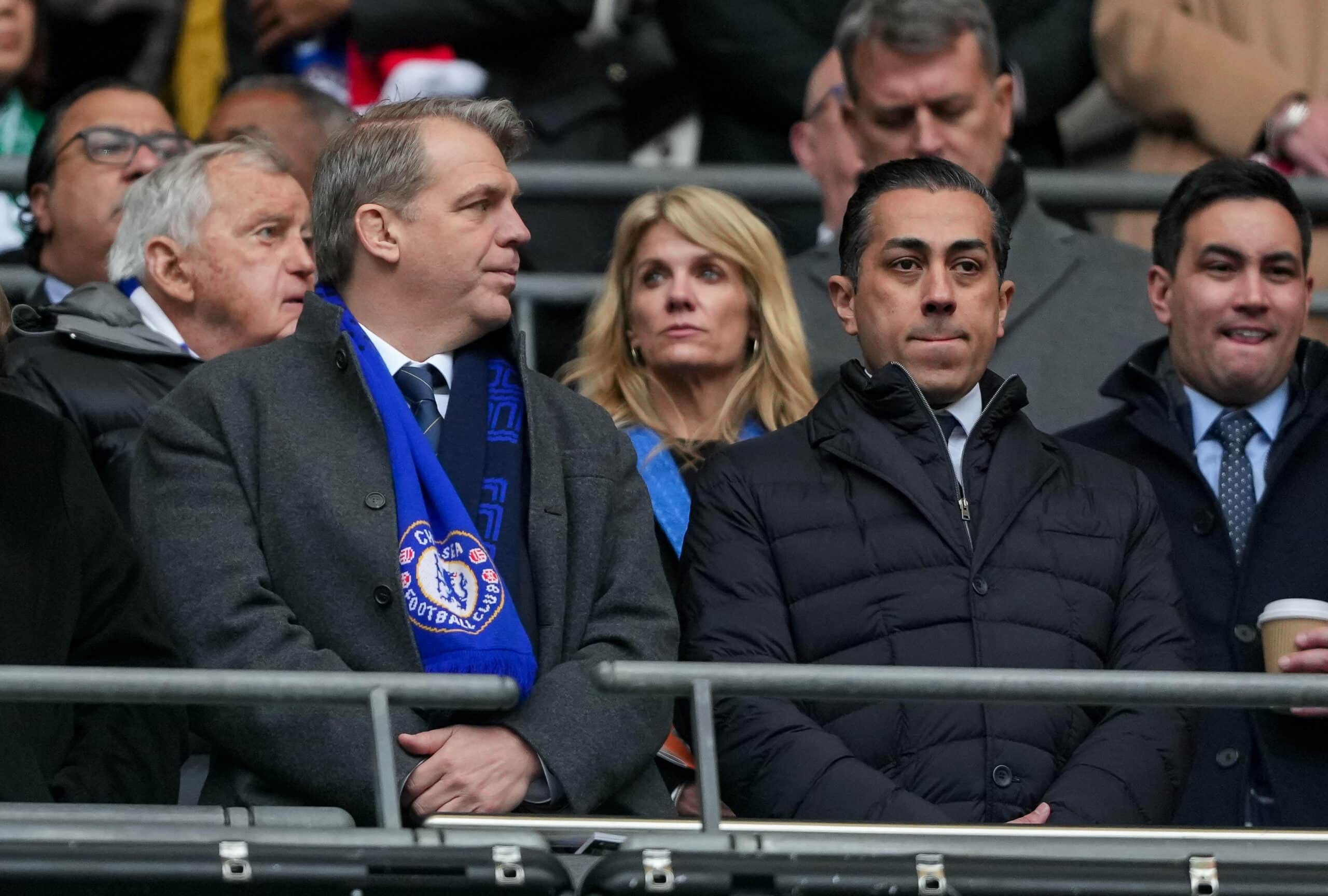
Chelsea’s Unique Contract Model
While the extension itself is notable, it also highlights something else that has become a defining feature of Chelsea under the ownership of Todd Boehly and Clearlake Capital.
The club has adopted a radically different contract structure.
Long deals are now the norm at Stamford Bridge.
Instead of the traditional four or five year contracts commonly seen across European football, Chelsea have increasingly offered agreements lasting seven, eight or even nine years. The strategy is designed to spread transfer costs across a longer period for financial accounting purposes, particularly in relation to Financial Fair Play regulations.
At the same time, many of these contracts are structured around incentives.
Base salaries are often lower than those seen during the Roman Abramovich era, but they include performance bonuses tied to appearances, achievements and team success.
James’ new deal reportedly aligns him with that structure, with earnings linked to both individual performance and Chelsea’s results.
He is still believed to be among the highest earners at the club, with his previous contract worth around £250,000 per week.
A Squad Built for the Long Term
Perhaps the most striking aspect of Chelsea’s squad today is just how far into the future many of their contracts run.
Very few clubs in world football have assembled a roster with such long commitments.
Several key players are tied down well into the 2030s.
Players whose deals run until 2033 include:
Cole Palmer
João Pedro
Dário Essugo
Estêvão
Meanwhile a number of important figures are contracted until 2032, including:
Enzo Fernández
Jamie Gittens
Alejandro Garnacho
Jorrel Hato
Chelsea’s contracts stretching to 2031 include:
Pedro Neto
Mykhaylo Mudryk
Filip Jørgensen
Liam Delap
Moisés Caicedo
Then come players with deals until 2030, such as:
Robert Sánchez
Benoît Badiashile
Malo Gusto
Roméo Lavia
Andrey Santos
In essence, Chelsea have constructed a squad that could remain largely intact for years.
This strategy aims to create stability after a period where the club experienced constant churn, both in the transfer market and in the dugout.
A Different Approach From the Past
The contrast with the previous era at Chelsea is striking.
During Roman Abramovich’s ownership, the club often preferred shorter contracts with higher wages. That model created flexibility but also meant players frequently entered the final years of their deals.
More recently, the club has been determined to avoid a repeat of high profile departures where players left either cheaply or on free transfers.
The cases of Mason Mount and others highlighted the risks of letting contracts run down.
Chelsea’s modern approach attempts to solve that problem.
By locking players into very long agreements, the club ensures that they retain significant leverage in future transfer negotiations. If a player performs well, the club holds the contractual power.
If a player fails to develop as expected, the financial structure of the deal makes it easier to loan or sell them without carrying excessive wage burdens.
Reece James and the Identity of Chelsea
In many ways, James represents something Chelsea supporters crave during an era of heavy recruitment and rapid change.
Continuity.
Academy graduates often carry special significance for fans because they embody the club’s identity. For Chelsea, James belongs to a lineage that includes John Terry, Mason Mount and more recently Levi Colwill.
He joined the club’s academy at the age of six and progressed through every youth level before eventually becoming a Champions League winner.
That journey resonates with supporters.
The new contract also sends a message internally. Amid a squad full of emerging young talent and high profile signings, Chelsea have chosen to build around a homegrown leader.
That is not a small decision.
What This Means for Chelsea’s Future
Looking ahead, the extension gives Chelsea something they have arguably lacked in recent seasons.
Certainty.
If James can stay fit, he has the potential to become one of the defining players of the club’s modern era. His ability to influence matches from defence or midfield gives managers tactical flexibility, while his leadership role provides stability within a young squad.
At the international level, James will also be desperate to cement his place in England’s plans ahead of the 2026 World Cup after missing previous tournaments due to injury.
For Chelsea, though, the focus is clear.
They want to build a team capable of competing for major honours again and they want that team to stay together for the long haul.
Contracts like this one are central to that vision.
Chelsea’s Contract Strategy Shows No Sign of Changing
Whether supporters agree with the approach or not, Chelsea’s strategy is unmistakable.
Long deals.
Young players.
Incentive based wages.
The club believe this model will allow them to develop a squad that matures together and avoids the constant contract stand offs that have plagued other Premier League sides.
Reece James’ new contract is the latest example of that philosophy.
It keeps the captain at Stamford Bridge until 2032 and reinforces the idea that Chelsea are planning not just for the next season, but for the next decade.
For the boy from the academy who grew up dreaming of playing at Stamford Bridge, that future now looks firmly written in blue.