

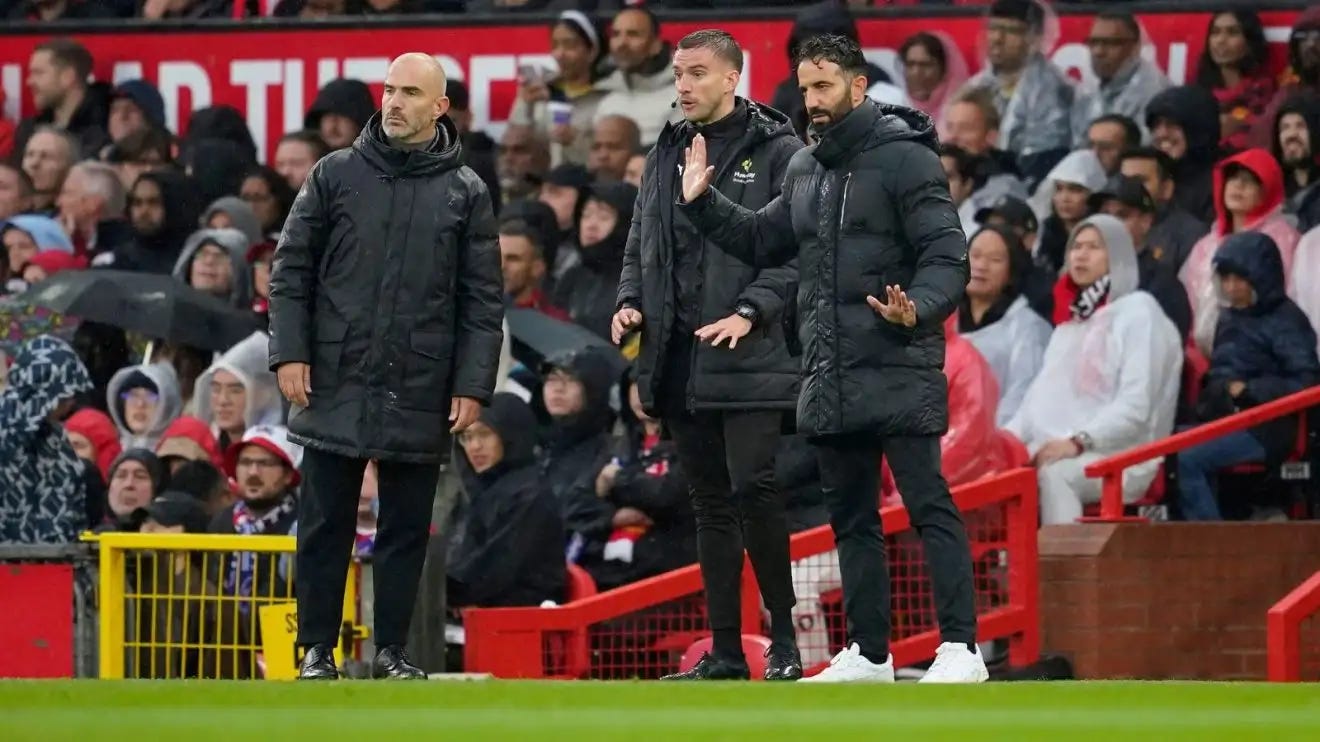
Maresca and Amorim Sacked, What Their Exits Say About Power in Modern Football
There was a time when a manager’s fate was decided by a simple equation. Win matches and you stayed, lose too many and you went. It was ruthless, but it was clear. The sackings of Enzo Maresca at Chelsea and now Ruben Amorim at Manchester United underline how far elite football has drifted from that clarity.
These dismissals were not triggered by collapse or crisis alone. They were the end points of simmering tension, mismatched expectations and an unresolved argument about what the modern football manager is supposed to be.
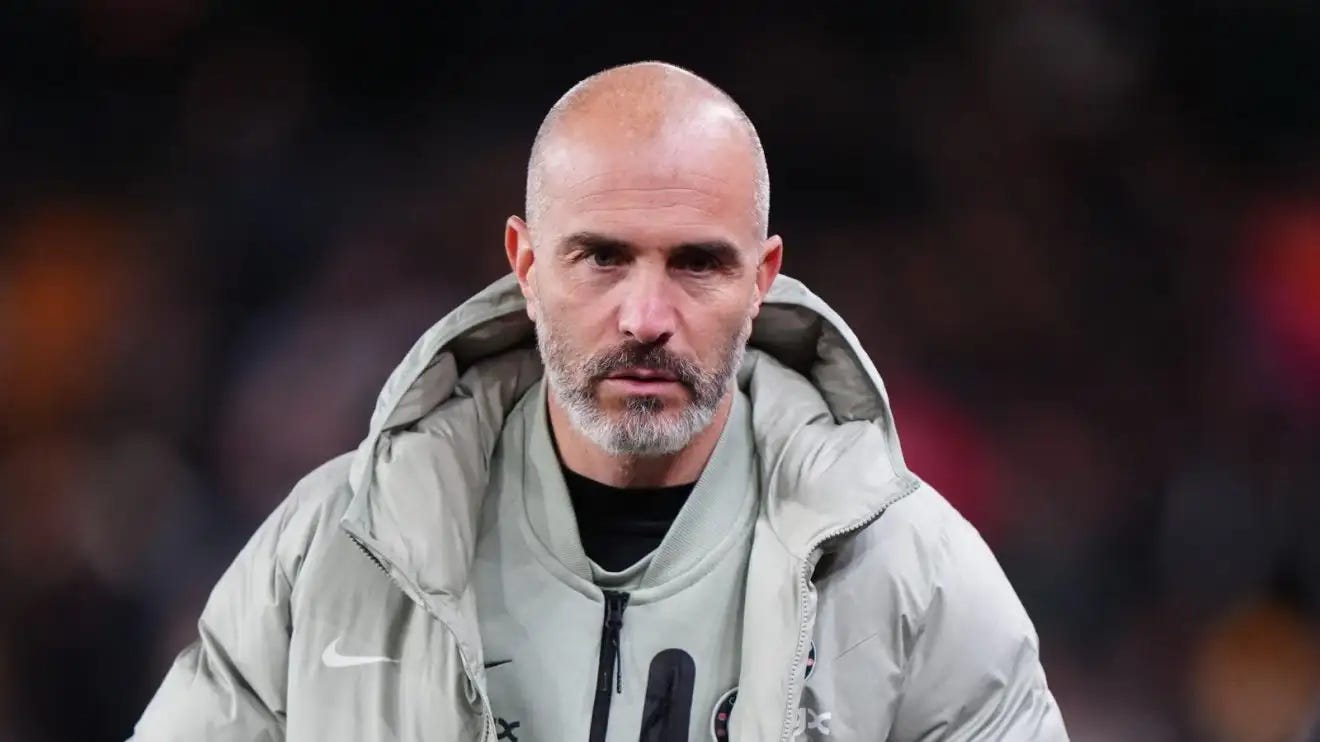
Chelsea and the Enzo Maresca Departure Explained
Chelsea’s decision to part company with Enzo Maresca felt sudden, but it was rooted in weeks of unease. League form had stalled, performances lacked incision, and control of games rarely translated into authority over outcomes.
Maresca arrived with strong credentials. Promotion with Leicester, a coaching education shaped at Manchester City, and a reputation for structure and control. He replaced Mauricio Pochettino and, to his credit, delivered silverware. A UEFA Conference League win and a Club World Cup triumph are achievements many managers never taste.
Yet the Premier League proved less forgiving. Eight wins from nineteen matches painted a picture ownership could not ignore. Chelsea often dominated possession, but too frequently drifted through matches without the decisive edge expected at Stamford Bridge.
The 2-2 draw with Bournemouth became symbolic. Not disastrous, but familiar. For Chelsea’s hierarchy, familiarity was the greater danger.
Chelsea’s Statement and a Club Without Sentiment
What followed was striking for its tone. Chelsea’s official statement was brief, controlled and unmistakably cold. Maresca’s trophies were acknowledged, his contribution politely thanked, and the relationship neatly closed.
There was no suggestion of regret, no language of shared responsibility. It felt less like a football farewell and more like a corporate separation. Chelsea wanted it understood that this was a decision of direction, not merely results.
That distinction matters. It reflects a club that sees the manager as a component within a larger system. When that component no longer aligns, it is replaced efficiently.
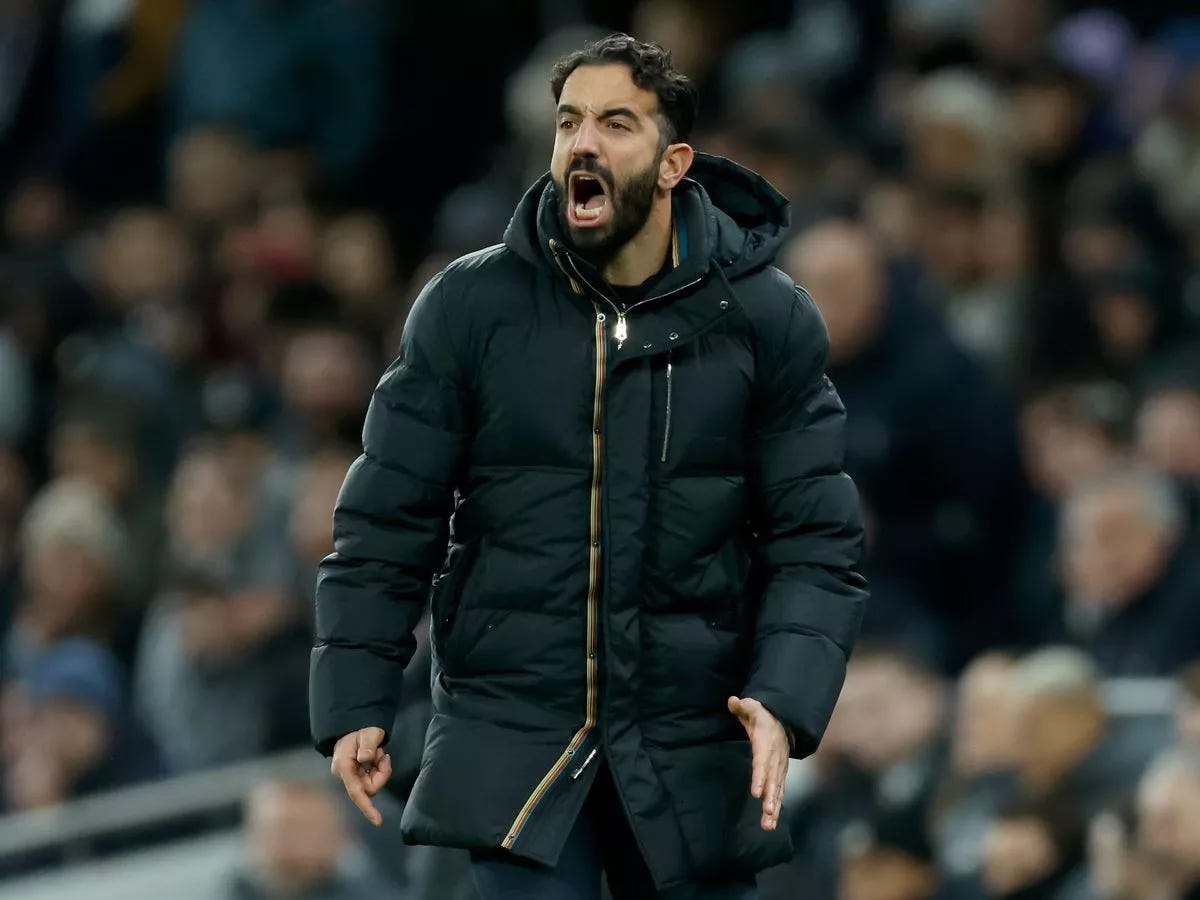
Ruben Amorim and the Manchester United Confrontation
Manchester United’s situation unfolded very differently, and far more publicly.
Ruben Amorim did not mask his frustration. Following the draw at Leeds, he spoke with unusual bluntness about his role, his authority and the club’s structure. His words cut through the usual post match fog.
“I came here to be the manager of Manchester United, not to be the coach,” he said, repeating the point as if to ensure it landed. He spoke about departments, recruitment, leadership and accountability.
It was not the language of compromise. It was a declaration.
Amorim had reasons to feel aggrieved. He guided United to a Europa League final, navigated a turbulent period, and left the club sitting sixth in the Premier League. This was not a season in freefall.
But at Old Trafford, challenging the hierarchy publicly is rarely survivable.
Why Amorim’s Authority Became a Breaking Point
Amorim’s stance went to the heart of a modern football contradiction. Clubs speak of head coaches, yet bristle when those coaches demand managerial authority.
His insistence on being more than a training ground figure unsettled the balance at United. Sporting directors and executives do not welcome public reminders of their influence, particularly when results are not flawless.
The response was swift. Amorim was informed at Carrington, players were briefed, and a statement was released framing the decision as necessary to secure the best possible league finish.
Darren Fletcher stepping in as caretaker felt deliberate. Familiar, compliant and unlikely to challenge the existing structure.
Chelsea and Manchester United Share the Same Dilemma
Despite their differences, Chelsea and Manchester United are grappling with the same question. How much power should the manager really have?
Both clubs operate with layered hierarchies. Recruitment teams, analysts, directors and ownership groups shape decisions. The manager is expected to deliver success within that framework, not to challenge it.
Maresca pushed the boundary through philosophy and control of play. Amorim pushed it through words and confrontation. Both discovered how narrow the margin truly is.
Arsenal, Mikel Arteta and the Value of Time
The contrast with Arsenal is impossible to ignore. When Mikel Arteta took charge, the results were far from immediate. Arsenal drifted, finished outside the top four, and endured periods of genuine stagnation.
Yet the club held its nerve. Arteta was given time to shape culture, recruitment and identity. Mistakes were absorbed rather than punished. Gradually, the progress became visible.
Arsenal’s resurgence did not happen overnight. It was the product of patience, alignment and trust. Arteta was allowed to grow into the role, rather than be judged solely by short term turbulence. Obviously he has still to produce the trophies to back up the confidence.
Manchester City and Stability Under Pep Guardiola
Then there is Manchester City and Pep Guardiola. Even the most dominant side in English football has experienced blips. Seasons where the rhythm dipped, injuries mounted, or expectations threatened to overwhelm.
City did not panic. Guardiola’s authority was never questioned, even when results wobbled. The club understood that long term success required continuity and belief in a shared vision.
That stability has been the foundation of their dominance. Not perfection, but patience.
Lessons From Liverpool’s Smooth Transition
Liverpool offer another example of clarity that paid immediate dividends. When Arne Slot arrived in the Summer of 2024, he inherited immense pressure. Replacing Jurgen Klopp carried emotional and tactical weight in equal measure.
Slot aligned himself with the club’s structure rather than fighting it. The reward was immediate. A Premier League title in his first season validated the model and reinforced the value of unity.
Liverpool, Arsenal and Manchester City all share a common thread. Clear roles, shared trust and a willingness to ride short term turbulence.
The Shrinking Patience of the Modern Premier League
Football talks endlessly about projects, but behaves as though patience is expendable. Television debate, social media reaction and financial expectation have compressed timelines beyond reason.
Managers are expected to win quickly, speak carefully and never challenge the system that employs them. It is a narrow, unforgiving path.
Maresca and Amorim were not afforded the luxury Arsenal gave Arteta, or the trust City place in Guardiola. Their margin for error was slim, and once crossed, there was no way back.
What Comes Next for Maresca and Amorim
Both men will return to the dugout. Maresca’s tactical education and trophy record remain strong. Amorim’s conviction and clarity will appeal to clubs that value authority as much as structure.
Their exits may be framed as necessary, but football history often revisits such moments with greater empathy.
Power, Control and the Future of Football Management
Until clubs clearly define what they want from their managers, this cycle will continue. Coaches will arrive with ambition, test the limits of their authority, and discover how little room exists for dissent.
The modern dugout is no longer a seat of power, it is a pressure point. Titles have softened, responsibilities have blurred, and control has moved upstairs.
Maresca and Amorim did not fail because they lacked ability. They failed because they collided with a modern reality that football still refuses to confront.
All these got me thinking what is wrong with Premier League Clubs' Management that only Manchester City and Liverpool have been solid with their coaches for the last 4-5 years. It's chaotic