

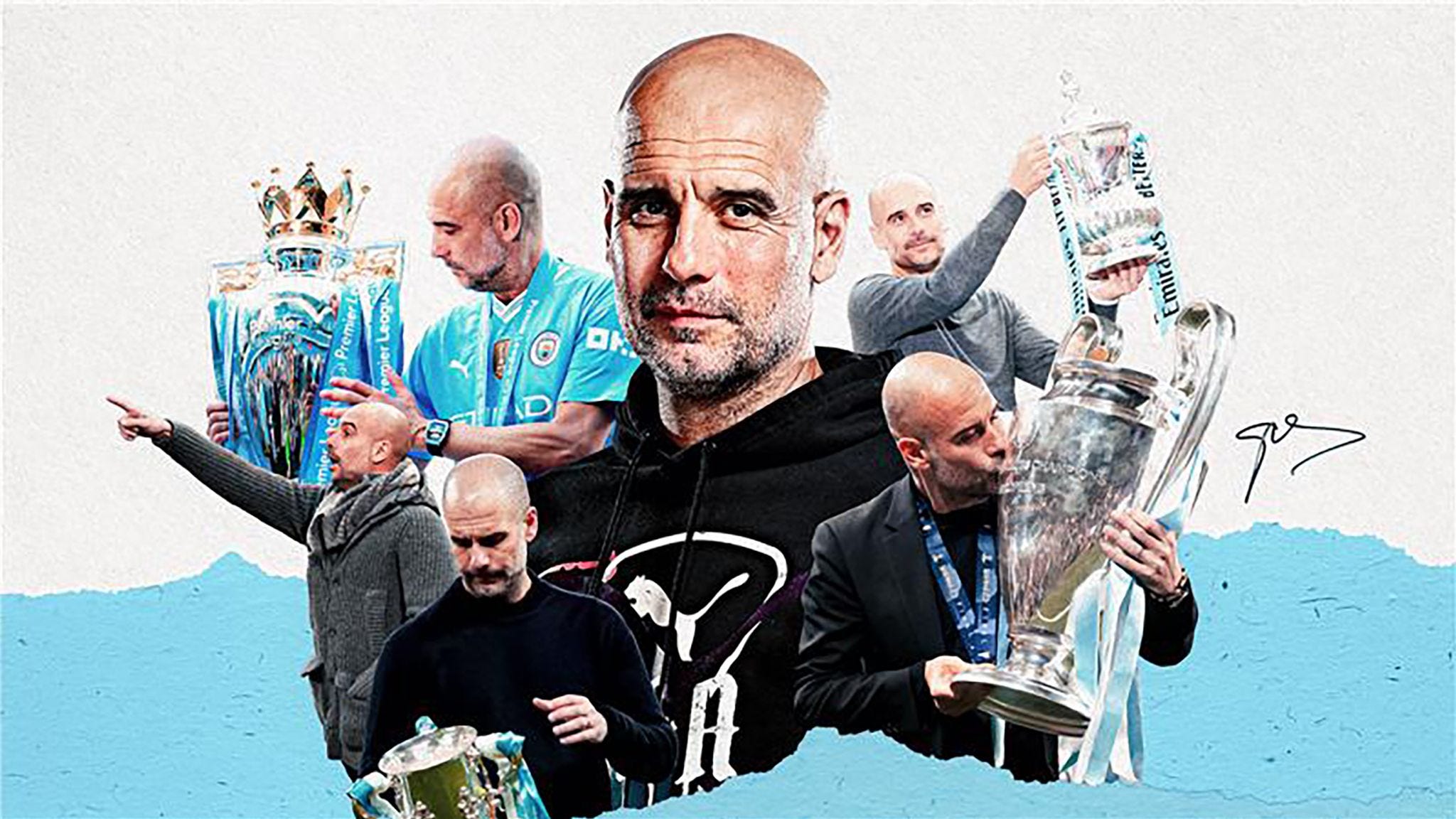
There is a growing sense that English football may be edging towards the end of something extraordinary. If this truly proves to be Pep Guardiola’s final act in the Premier League, then it deserves reflection without hysteria and without denial. His time at Manchester City has been one of dominance, innovation and relentless excellence. It has also unfolded under a cloud that refuses to lift, no matter how dazzling the football has been.
Both of those truths can sit together, however uncomfortable that makes some supporters.
Guardiola is, in my view, a brilliant coach and a serial winner who has reshaped how elite football is played in this country. It is far easier to organise a team to sit deep, defend space and play directly than it is to repeatedly reinvent methods of building from the back, controlling games and attacking with imagination. Guardiola has done the latter season after season, against opponents who know exactly what is coming and still cannot stop it.
At the same time, the unresolved charges hanging over Manchester City cannot be waved away. It is highly likely that he has worked with a loaded deck. That matters. But it does not erase what he has achieved on the training ground, on the pitch and in the broader culture of the game.
Guardiola’s footballing revolution in England
When Guardiola arrived in 2016, English football greeted him with suspicion. Possession football was viewed as indulgent, fragile and ill-suited to the Premier League’s pace and physicality. He was told his defenders would struggle, his goalkeepers would be pressed into mistakes, and his teams would be bullied into submission.
Instead, he rewired the league.
City did not just pass the ball for aesthetic pleasure. They controlled space, suffocated opponents and turned territory into inevitability. Full-backs stepped into midfield, midfielders became centre-backs, wingers played as playmakers and pressing became an attacking weapon rather than a defensive reaction.
This was not static ideology. Guardiola has constantly adjusted his structures, sometimes week to week, often within games. He has dismantled systems that worked and replaced them with new ones to stay ahead. That appetite for reinvention is the mark of a coach operating at the edge of his own comfort.
It is easy to underestimate how difficult that is. Low block football, for all its discipline, relies on repetition and risk avoidance. Guardiola’s approach demands intelligence, bravery and technical excellence from every player, every time. One lapse in positioning or decision-making and the entire structure collapses. Sustaining that level across multiple seasons is exceptional.
The influence is now everywhere. From the Premier League to the lower divisions, coaches borrow his principles, sometimes without the players to execute them. That alone speaks to the scale of his impact.
Sustained dominance and elite standards
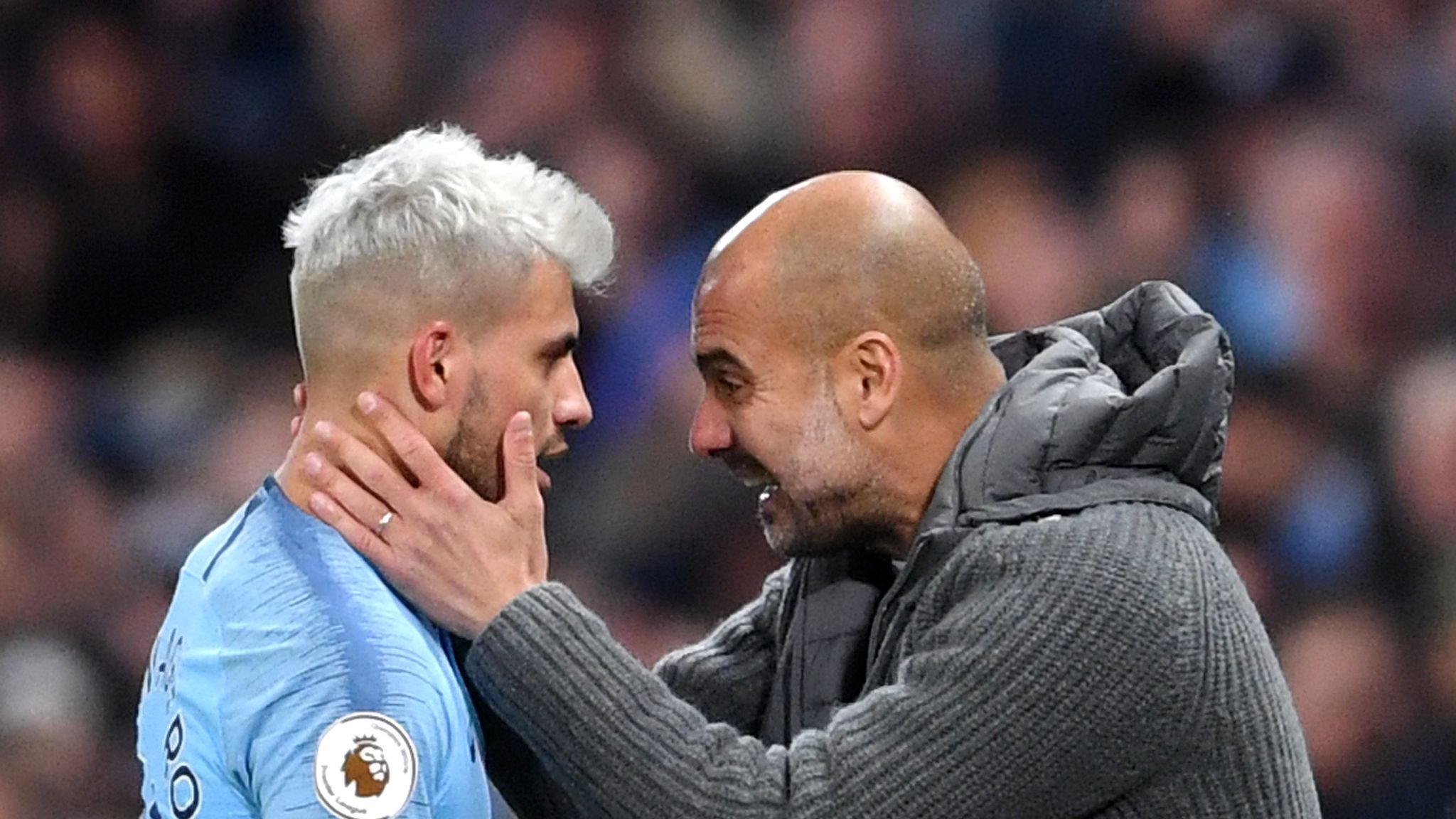
Six league titles in seven seasons is not a quirk of circumstance. It is domination without precedent in English football. This came against outstanding competition, including a Liverpool side that pushed the league’s points totals into territory once thought unreachable, and more recently an Arsenal team built with clarity and ambition.
Guardiola did not merely assemble expensive squads. He improved them. Players arrived as elite talents and left as complete footballers. Midfielders learned to defend space, defenders learned to create overloads, and attackers learned patience as well as penetration.
Perhaps the most overlooked aspect of his reign has been his hunger. Success breeds complacency, yet City rarely looked sated. Rotation was fearless, selection often ruthless, and reputations carried no guarantees. That culture does not survive on tactics alone. It requires relentless management of standards, mood and ego.
There have been stumbles. European campaigns took time to master, domestic seasons brought dips and recalibration, and transitions between generations were not always seamless. But the ability to reset without collapse is itself a measure of greatness.
Other clubs have spent comparable sums and achieved a fraction of the coherence. Money buys players. It does not automatically buy understanding.
Financial charges and the shadow over the era
None of this exists in isolation from the allegations facing Manchester City. The sheer scale of the charges and the length of time taken to resolve them have created a vacuum filled by suspicion, frustration and tribal certainty.
If City are found to have systematically breached regulations, then the context of Guardiola’s success changes. Wage dominance, commercial advantage and structural leverage matter. Football does not exist on a level playing field, and those margins shape outcomes.
That does not make Guardiola responsible for the finances, but it does mean his achievements at City will always be debated through that lens. Some will dismiss everything. Others will shrug and move on. Most will sit somewhere in between, uneasy but unwilling to deny what their eyes have seen.
The drug cheat analogy raised by some critics captures the moral discomfort well, but football is not an individual sport. Titles are won by squads, institutions and systems, not a single runner crossing a line. Guardiola’s Barcelona and Bayern careers suggest his ideas would have succeeded elsewhere, though perhaps not with quite the same relentlessness.
The unresolved nature of the charges is corrosive. It freezes judgment and poisons discourse. Until clarity arrives, this era will remain suspended between admiration and doubt.
Judging greatness in context
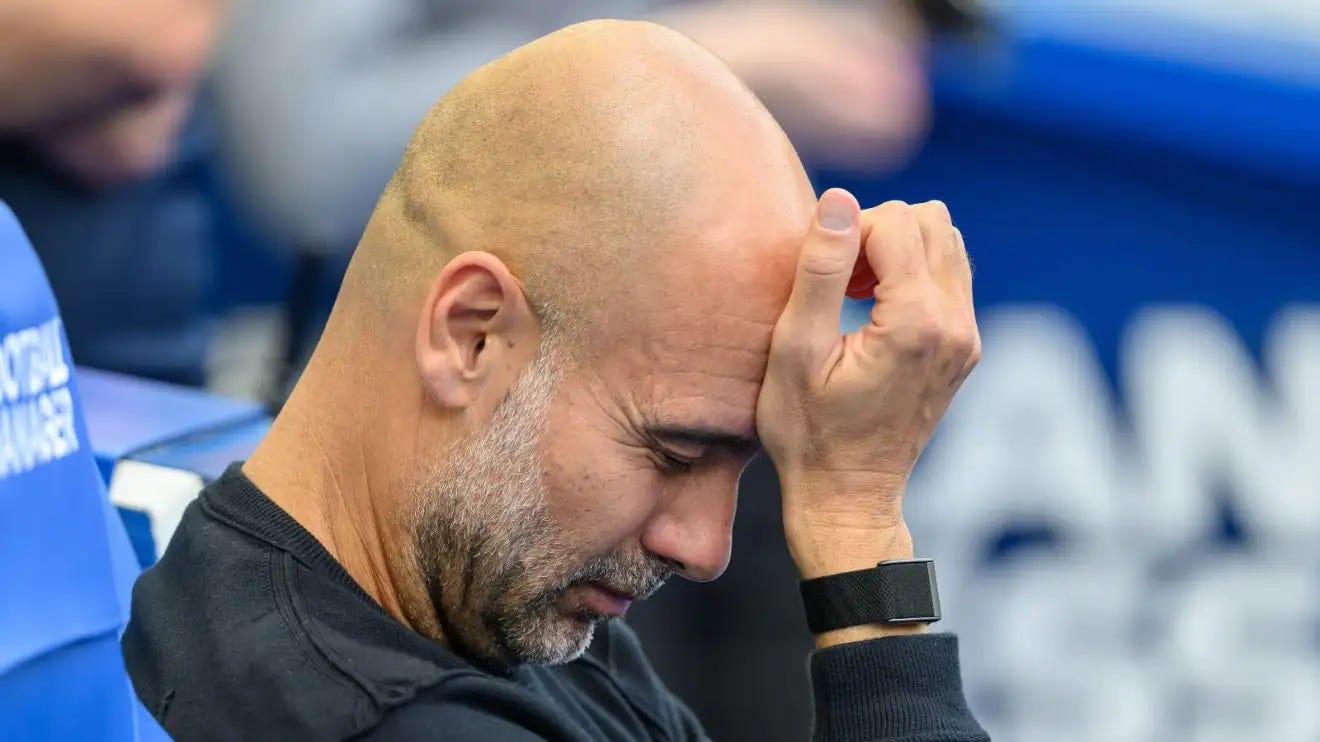
There is a familiar criticism that Guardiola has never taken a struggling club and lifted it from obscurity. It misunderstands how elite careers work. The best managers are sought by the best clubs because excellence recognises excellence. Expecting the finest tactical mind of his generation to prove himself in self-imposed hardship is a romantic notion rather than a serious benchmark.
Greatness can take different forms. Some build empires from rubble. Others redefine what is possible at the summit. Guardiola belongs firmly in the latter category.
His legacy in England will be one of changed expectations. Points totals, technical standards and tactical sophistication have all shifted because of him. Rivals have been forced to evolve or be left behind. That, more than silverware alone, is the mark of genuine influence.
If this is his goodbye, it will leave a vacuum that cannot be filled by imitation alone. Coaches shaped by his ideas may follow, but originality is not transferable. The Premier League will move on, as it always does, but it will do so having been permanently altered.
Pep Guardiola’s Manchester City reign is unique, brilliant and undeniably complicated. He achieved greatness, possibly with advantages others did not have. Both truths will endure, argued over long after the final whistle blows on his time in England.