

There are goals that win matches, and there are goals that shift the atmosphere of a season.
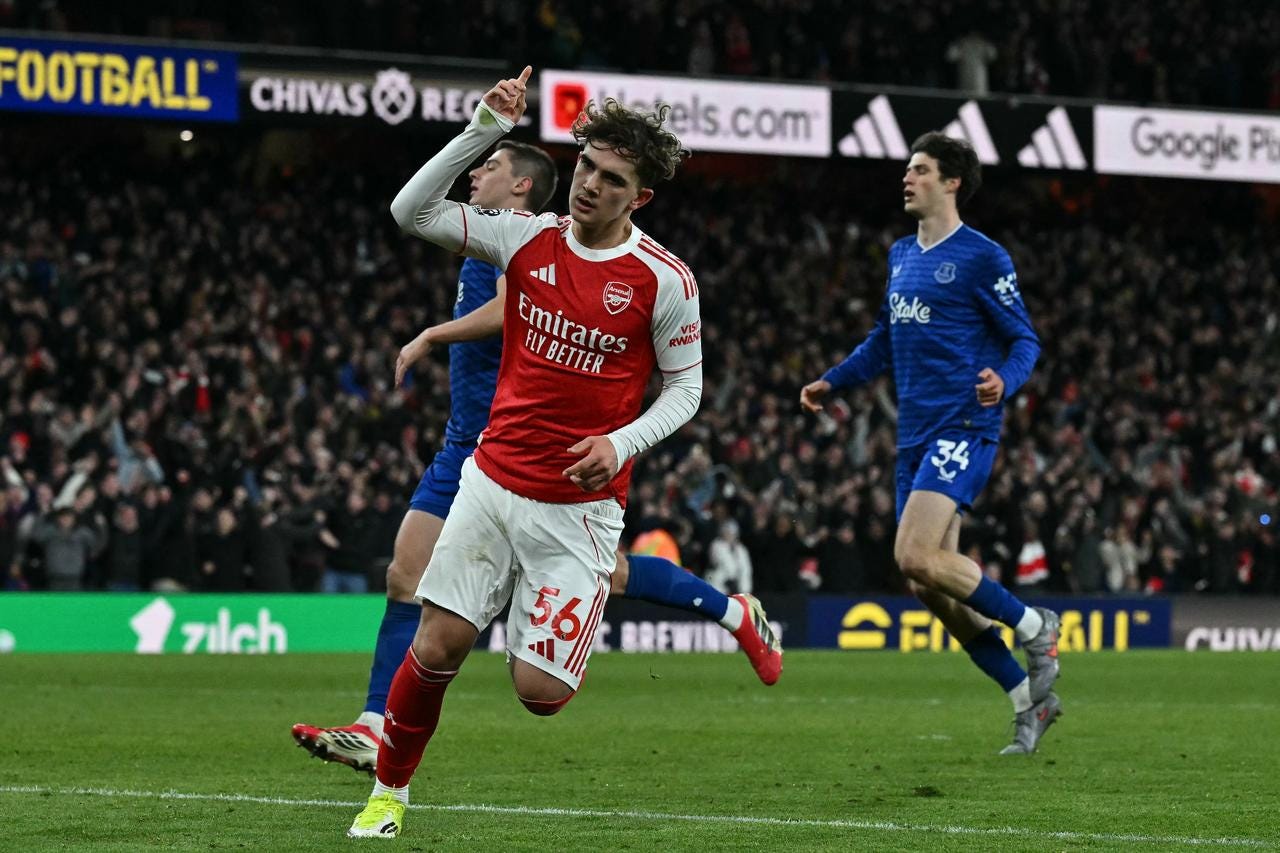
Max Dowman’s late run and finish against Everton belonged firmly in the second category. The Emirates Stadium had been simmering rather than boiling. Arsenal were pushing, probing and looking a little short of ideas. Then the ball found a 16 year old winger who played the game with the freedom of someone too young to understand the weight of the moment.
Within minutes he had transformed the mood.
First came the cross that forced chaos in Everton’s penalty area and led to the opener. Then came the moment that will be replayed for years. Everton pushed forward in desperation, Dowman collected the ball deep, glided past retreating defenders and rolled it calmly into the empty net.
Sixteen years old. Youngest scorer in Premier League history. A decisive contribution in the middle of a title race.
Football loves a story like this. A teenager arrives, fearless, joyful, full of invention. The crowd senses the birth of something special and the game briefly feels young again.
Yet the real story begins after the applause fades.
Because the history of football prodigies tells us that the first chapter is often the easiest.
Hype Machine Already in Motion
The modern football ecosystem wastes no time. Within hours of Dowman’s goal the comparisons were flying around the game.
Messi. Yamal. Rooney. Walcott. Bojan.
Some comparisons come from excitement, others from laziness. The sport has a habit of reaching for familiar names whenever a teenager does something remarkable. It helps fill airtime and it guarantees attention.
But these comparisons reveal something deeper about football culture.
We do not simply celebrate young talent. We immediately try to project the entire career.
Fans debate whether a 16 year old could go to a World Cup. Commentators search for historic parallels. Social media produces highlight reels and bold predictions. The global football audience begins to treat a schoolboy like a finished product.
None of this is new. The difference now lies in scale.
A generation ago a teenage debut might have sparked a few newspaper columns and some excited talk on the terraces. Today a young player becomes a global talking point overnight. Clips circulate across continents within minutes. Expectations rise before the player has time to catch his breath.
Dowman was an Arsenal story on Friday morning. By Saturday night he was a football story.
And that brings responsibility.
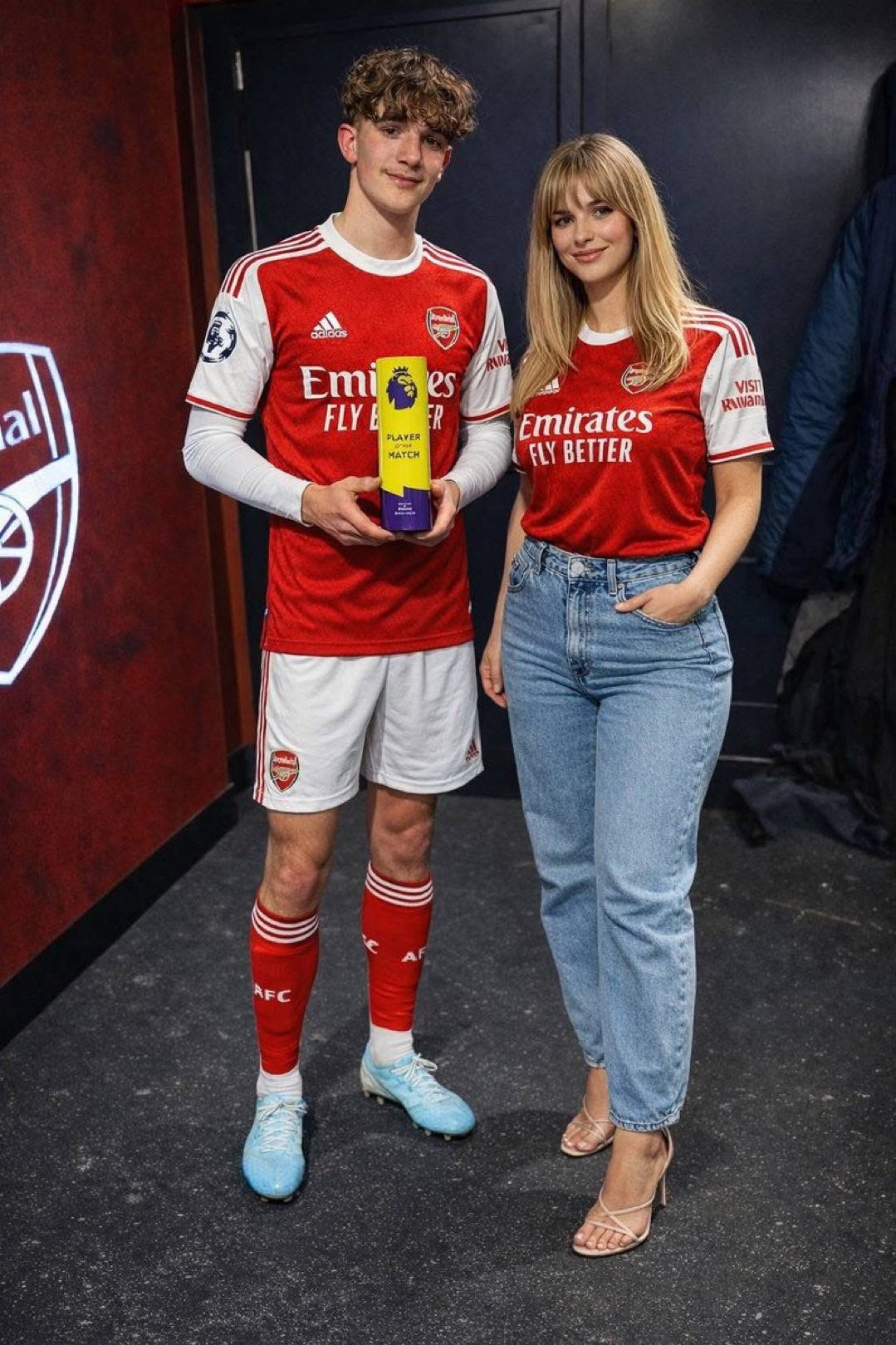
Lessons From Football’s Lost Prodigies
Every club with a strong academy has lived through this cycle.
A young player dazzles youth football, breaks into the first team and captures the imagination. Fans begin to speak about the future as though it has already been written.
Then reality intervenes.
Some players struggle with the physical jump from academy football to the senior game. Others find that their bodies cannot keep pace with their talent. Injuries arrive. Confidence dips. Opportunities disappear.
There are countless examples across English football. Players who dominated youth levels and looked destined for greatness, only to drift quietly away from the spotlight.
Sometimes the issue is ability. More often the problem is timing.
A young player can be introduced too quickly, asked to carry too much responsibility before they have developed the resilience required to survive the top level. One difficult performance becomes two, two becomes a run of doubts, and the narrative shifts from wonderkid to disappointment.
The margins are brutally small.
That is why the Dowman conversation must remain grounded.
Yes, he changed the Everton game. Yes, the talent is obvious. But one electrifying cameo does not rewrite the laws of development.
The path from prodigy to elite footballer remains narrow and unforgiving.
Arteta’s Balancing Act
Arsenal deserve credit for the way they have handled young players in recent seasons.
Bukayo Saka has become the clearest example of careful development done well. Introduced gradually, supported through setbacks and protected from the worst excesses of external noise, he has grown into one of the Premier League’s most reliable performers.
The club will hope Dowman follows a similar trajectory.
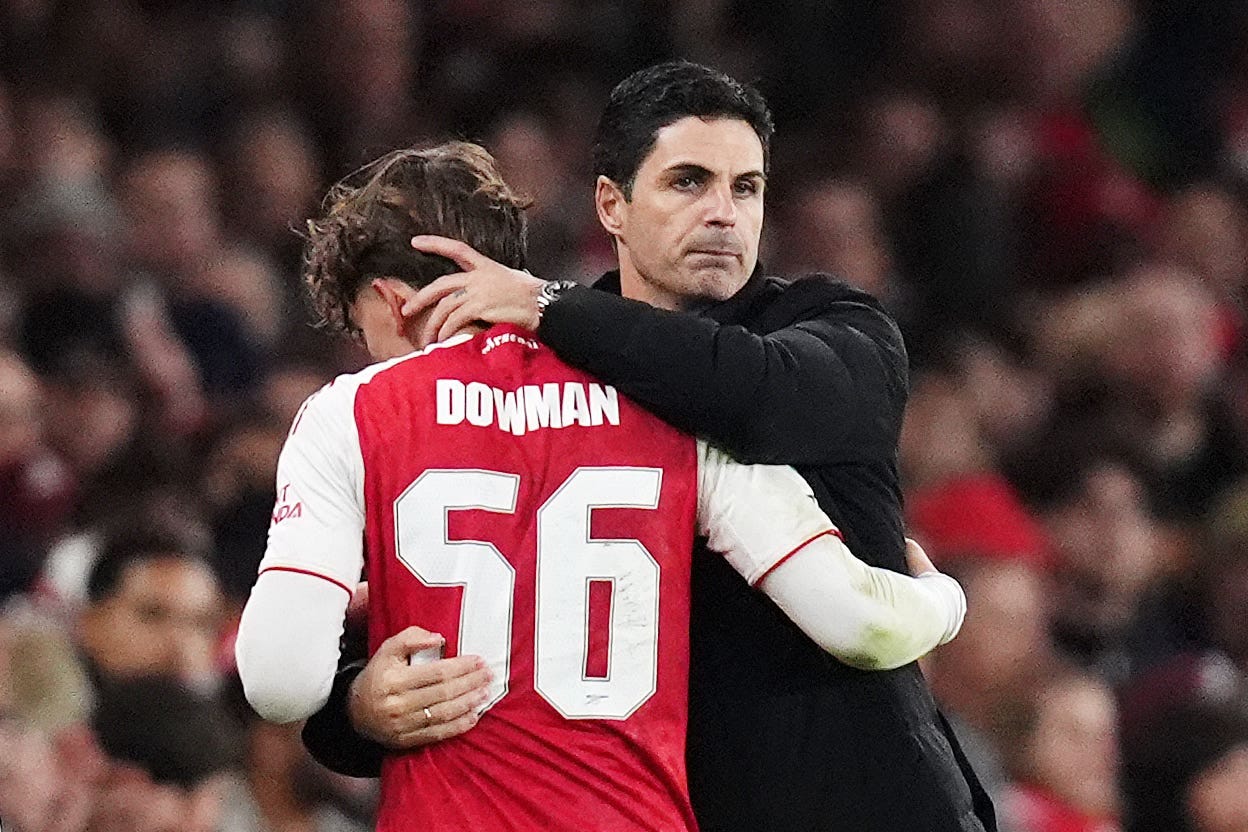
Early signs suggest that the environment around him is stable. He has been integrated slowly, training with the first team long before stepping onto the pitch in competitive matches. His minutes have been controlled. His exposure to media has been limited.
That approach matters.
Managers often speak about “protecting” young players, yet the real protection comes from restraint. The temptation after a moment like the Everton goal will be enormous. Supporters will demand more minutes. Commentators will call for starts. Every appearance will be scrutinised.
This is where leadership becomes crucial.
The smartest approach may involve keeping Dowman in the role he played so effectively against Everton. A late attacking substitute, unleashed against tiring defenders, free to express himself without the burden of carrying the team from the first whistle.
In other words, let the boy play football without asking him to rescue seasons.
Why Arsenal’s Moment Matters
Dowman’s breakthrough has arrived at a fascinating moment for Arsenal.
The club sits at the top of the table with only a handful of matches remaining. Confidence is high. Momentum is building. The squad has depth, experience and genuine belief that the long wait for a league title could finally end.
Within that context, a fearless young winger offers something valuable.
Freshness.
When matches tighten and nerves creep in, a player who plays with instinct rather than calculation can change the rhythm of a game. That is exactly what happened against Everton.
Dowman demanded the ball. He ran at defenders. He injected urgency into an attack that had begun to feel predictable.
This quality is rare. Many young players arrive in the senior game cautiously, wary of making mistakes. Dowman appears to carry the opposite instinct.
That bravery could become a useful weapon during the closing weeks of the season.
But again, the key word is balance.
Arsenal do not need Dowman to become their star overnight. They need him to remain a talented young player enjoying the experience of elite football.
The difference may determine his future.
Protecting Talent in the Modern Game
Football often talks about protecting young players. The reality is that everyone involved contributes to the pressure.
Journalists write about the wonderkid. Fans debate the future. Sponsors line up opportunities. The player becomes a symbol of hope, excitement and potential.
All of it adds weight.
Clubs can control certain elements. They can regulate media access, manage minutes on the pitch and provide psychological support behind the scenes.
What they cannot control is the noise.
That noise will only grow from here.
Dowman will face bigger opponents, more hostile stadiums and tougher tactical challenges. At some point he will produce an ordinary performance. At some point he will make mistakes.
That moment will test the environment around him far more than the glorious run against Everton.
Because the true measure of development appears when the magic temporarily disappears.
Patience Will Define Dowman’s Future
There is something refreshing about watching a teenager play elite football with obvious joy.
Dowman carries the energy that reminds supporters why they fell in love with the sport in the first place. Direct running, fearless dribbling and the confidence to demand the ball.
Moments like his Everton cameo make football feel unpredictable again.
Yet the game has seen too many prodigies fade to believe that talent alone guarantees success.
The next few years will matter far more than the next few weeks.
Arsenal must resist the urge to accelerate the process. Fans must accept that development involves quiet periods as well as bright flashes. The wider football world would do well to let the boy grow without demanding constant brilliance.
Dowman’s goal will live long in the memory. The sprint, the calm finish, the eruption of noise around him.
But if his career unfolds the right way, that moment will eventually feel like a footnote.
The real story will be written slowly, season by season, as a gifted teenager learns how to become a professional footballer.