

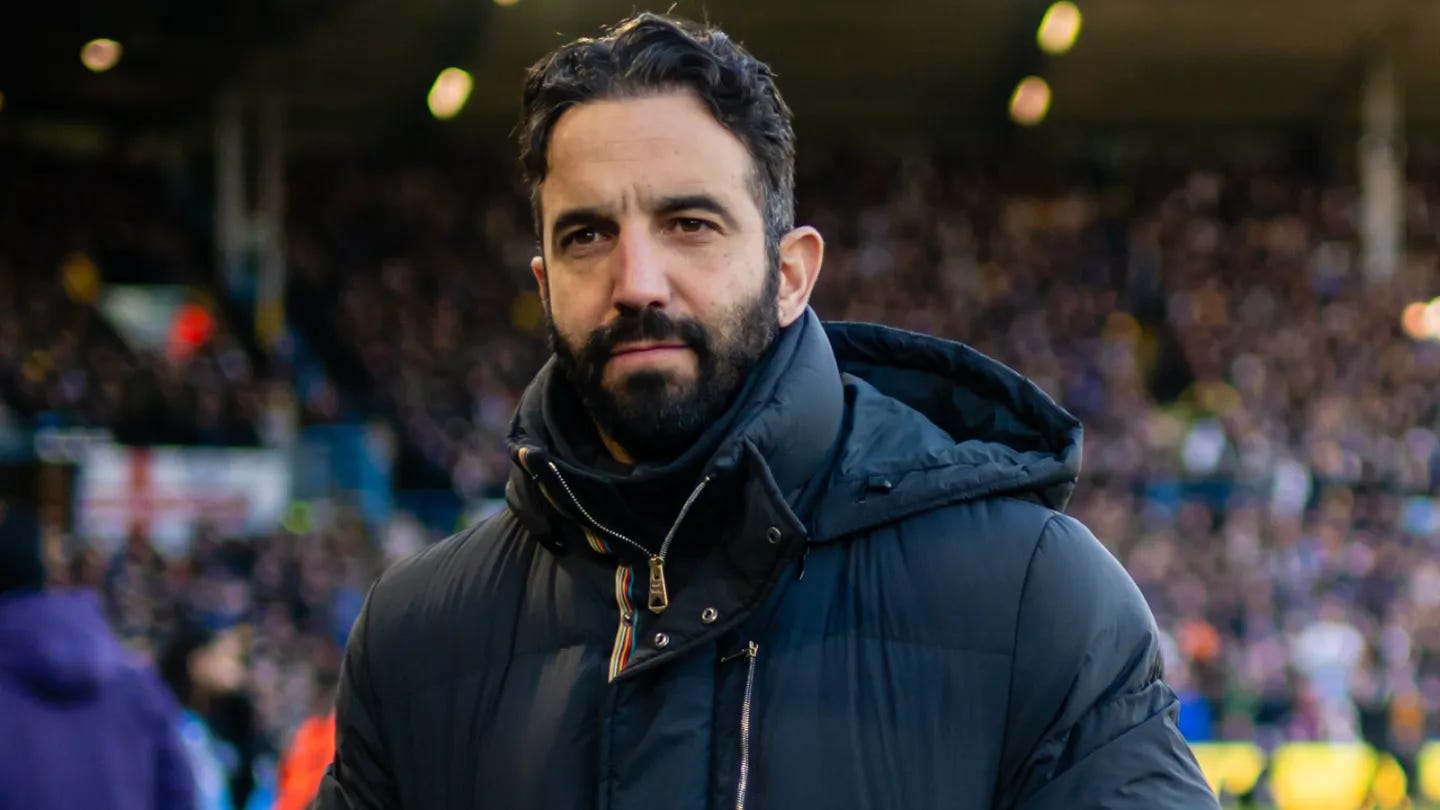
Manchester United have sacked Ruben Amorim, and while the timing surprised some, the outcome should not. The decision felt inevitable from the moment Amorim chose to speak publicly about internal tensions, particularly his relationship with Jason Wilcox. At a club where power is jealously guarded above the dugout, that sort of candour is rarely survived.
From the outside, and speaking as someone with no affection for United but an interest in the health of the league as a whole, this was not a manager losing his way tactically or emotionally. This was a manager daring the club to choose between its hierarchy and its head coach, knowing full well how that contest usually ends at Old Trafford.
Manchester United have chosen familiarity. Amorim will leave with his compensation and his reputation largely intact. United remain where they have been for more than a decade, searching again for direction.
Ruben Amorim invited the end
Amorim’s comments after the draw at Leeds were not careless, nor were they naive. They were calculated, and they carried a clear message. By insisting on his authority, by emphasising that he was the manager rather than merely a coach, he was drawing a line in public that had already been crossed in private.
At Manchester United, that is an invitation rather than a warning. The club’s post Ferguson history has shown a consistent pattern. Managers are appointed with a vision, then gradually boxed in by structures that demand compliance rather than conviction. Once a manager resists that process openly, the clock starts ticking loudly.
Amorim knew this. He also knew his contract offered no easy exit for the club. United would have to pay him in full. That reality shifts the balance of fear. For a coach with a proven record elsewhere, and with age on his side, the risk is minimal. For United, the risk is structural, another rupture added to a long list.
His tactical rigidity has been criticised, particularly his loyalty to a back three. Yet that loyalty was never hidden. United hired him knowing exactly what they were getting. Training sessions later revealed experimentation, but the identity remained his. To turn that into a reason for dismissal is to rewrite history.
Amorim’s mistake, if it can be called that, was not tactical stubbornness. It was speaking plainly about power.
Manchester United governance remains the issue
There is a temptation to frame this as another failed managerial appointment, another poor fit, another personality clash. That reading is comfortable because it avoids the harder question. Why do these clashes keep happening at Manchester United?
Since Sir Alex Ferguson retired, the club have employed multiple managers, spent enormous sums, and yet continue to behave as though the next appointment will succeed where the others failed, without addressing the environment they are stepping into.
The restructuring under new leadership promised clarity. Defined roles, modern processes, joined up thinking. In practice, the old tensions resurfaced quickly. Amorim arrived as a head coach in a system that still struggles to decide how much autonomy that role deserves.
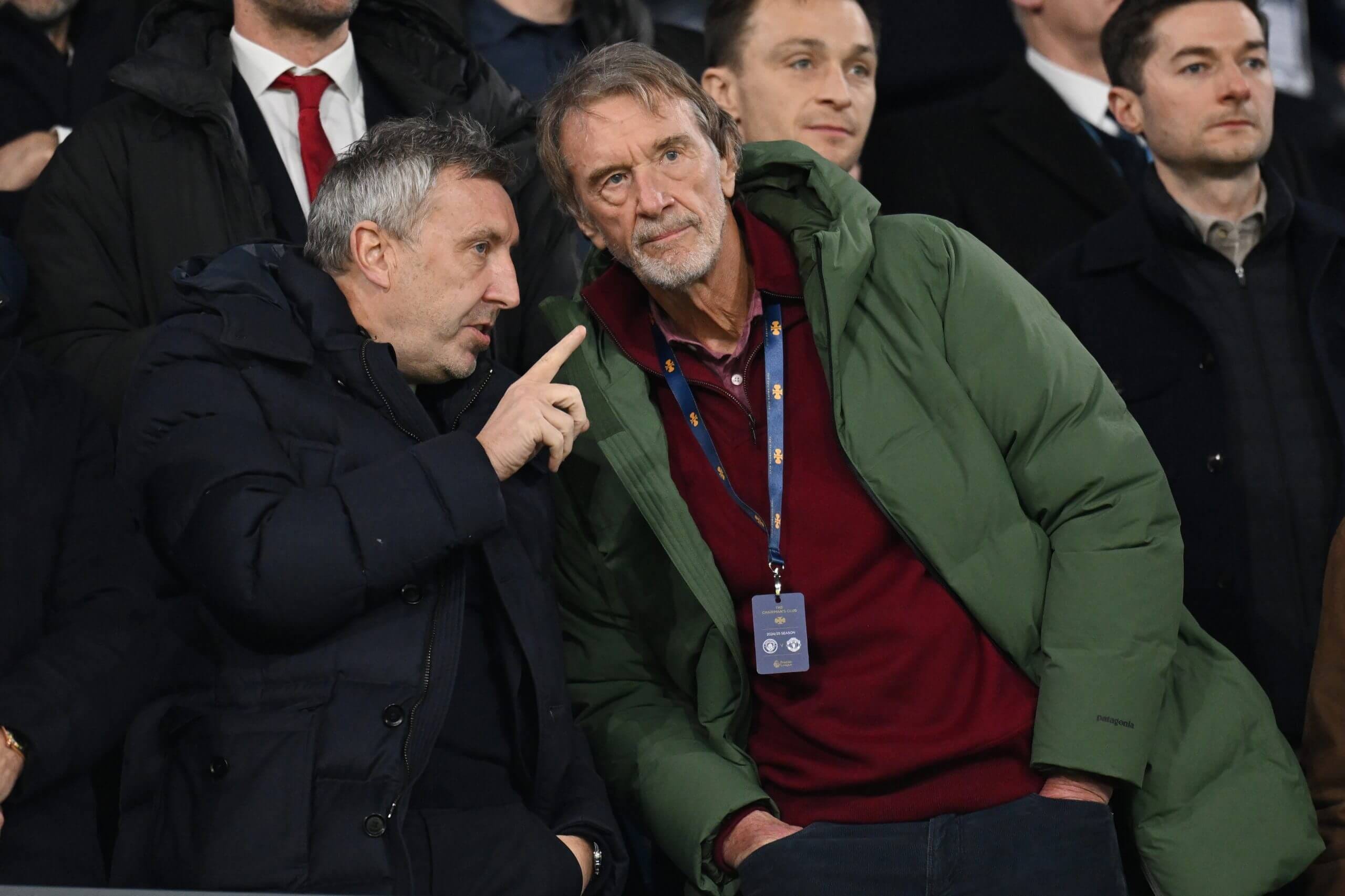
Wilcox, by all accounts, holds strong views on style of play. That is his right and his job. The problem arises when those views collide with a manager whose reputation is built on a specific system. Either the club adapts to that system or it chooses a different manager. Trying to bend one into the shape of the other rarely ends well.
Manchester United have now paid again for indecision at the top. Not only financially, but reputationally. Each dismissal reinforces the sense of a club unsure of its own identity.
Amorim will recover quickly
For Amorim, this episode will sting but it will not scar. He leaves with two league titles from Portugal, a European final on his CV, and a clear explanation for why this particular role collapsed. Future employers will see a coach who stood his ground rather than one who failed quietly.
There is a difference between failure and incompatibility. Amorim’s United tenure sits firmly in the latter category. He did not lose the dressing room in a dramatic implosion. He did not abandon his principles. He challenged the limits placed upon him and paid the predictable price.
The payoff he receives allows him the luxury of patience. He can wait for the right opportunity, perhaps at a club willing to align recruitment, tactics and authority under one voice. When that happens, his reputation is likely to recover swiftly.
Manchester United do not enjoy that luxury. Each reset costs time as well as money.
Back to square one at Old Trafford
The immediate future looks familiar. An interim appointment, supportive language from the board, talk of long term planning and stability. Supporters have heard this before. The cycle repeats because the conditions that produce it remain unchanged.
United are still sixth, still within touching distance of the Champions League places. That will be used as evidence that the situation is manageable. Yet performance trends matter more than league position. Picking up points while clarity drains away is not progress.
The players now face another adjustment, another voice, another set of expectations. Recruitment decisions made for one system may soon be reassessed under another. This churn erodes confidence and coherence.
From a league perspective, it diminishes Manchester United’s standing as a serious contender. Rivals do not fear a club constantly resetting its compass. They wait for the wobble, knowing it usually comes.
What this tells us about modern Manchester United
This sacking reveals more about the club than the coach. Manchester United remain uncomfortable with strong managerial authority. They want innovation without disruption, control without conflict, vision without friction. Those combinations rarely exist in elite football.
The greatest periods in the club’s history were built on trust and patience, even when results dipped. That culture has been replaced by nervous oversight and reactive decision making. Amorim collided with that reality and chose confrontation over compromise.
Some will applaud his removal. Others will regret it. In truth, neither response addresses the deeper issue. Until Manchester United decide what they want their manager to be, and how much power that role truly carries, they will continue to attract talented coaches and watch them leave under similar clouds.
For all the noise, the sacking of Ruben Amorim feels less like a dramatic turning point and more like another chapter in a long running story. Amorim moves on, wealthier and wiser. Manchester United remain where they were, searching again for answers they keep refusing to face.