

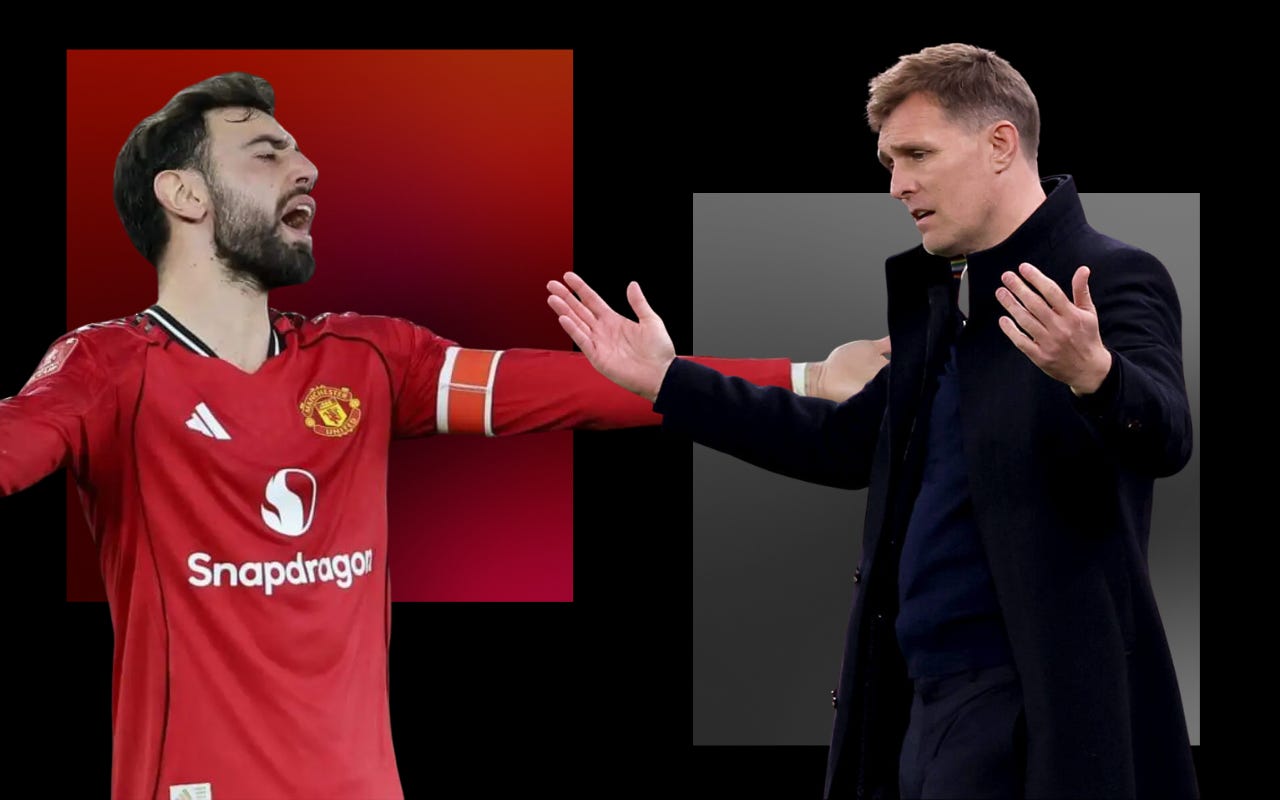
There was a time when Manchester United defined the tempo of English football. Under Sir Alex Ferguson, the club did not merely win, it imposed itself. Seasons were long, demanding, and usually ended with silverware or at least a sense of purpose. That world feels impossibly distant now.
United are not just losing matches, they are losing meaning. A shortened season with fewer games is not a quirk of scheduling, it is a reflection of how far the club has slipped from relevance. Fewer nights under the lights, fewer moments that matter, fewer reasons for the wider football world to pay attention. For a club that once dominated an entire generation, this quiet fading feels almost unreal.
I am not a Manchester United supporter, but I am a football fan, and it is impossible not to notice when one of the game’s great institutions drifts into dysfunction. What we are watching is not a temporary dip or a rebuild that hurts before it heals. It is something more corrosive, a slow erosion of standards, identity, and credibility.
United finished 15th last season. That alone should have been treated as a blaring alarm. Instead, it became another uncomfortable fact hurriedly explained away, another line added to a growing list of rationalisations. When a club of that stature starts normalising failure, the problem runs far deeper than the dugout.
Ownership without direction
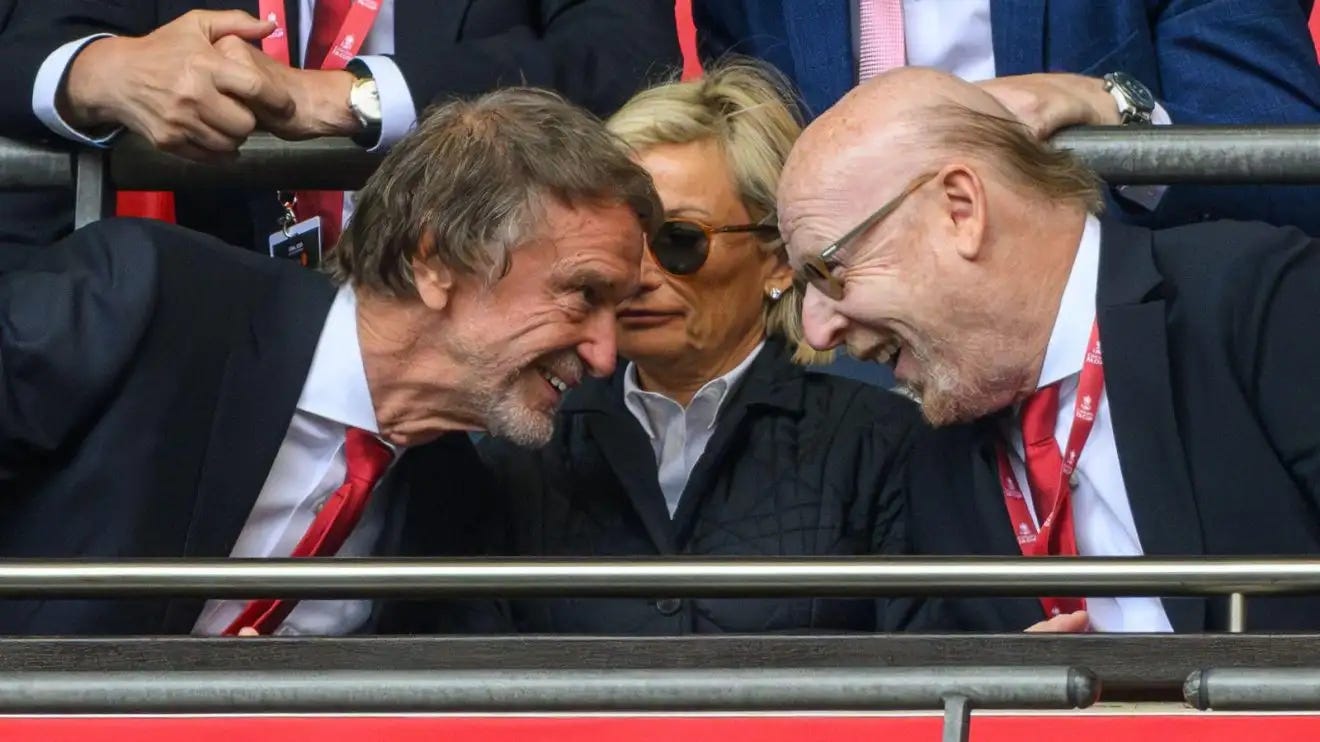
Much of the discussion around United circles endlessly around managers, formations, and individual signings. This misses the central truth. The club is being run without a coherent footballing vision. The combination of the Glazer family and INEOS has created a muddled power structure where responsibility is blurred and accountability diluted.
This arrangement will one day be taught in business schools as a case study in how not to run a major institution. United are treated as a financial asset that happens to stage football matches, rather than a football club that must be carefully stewarded. As long as the brand continues to generate revenue, the deeper damage can be ignored, at least in the short term.
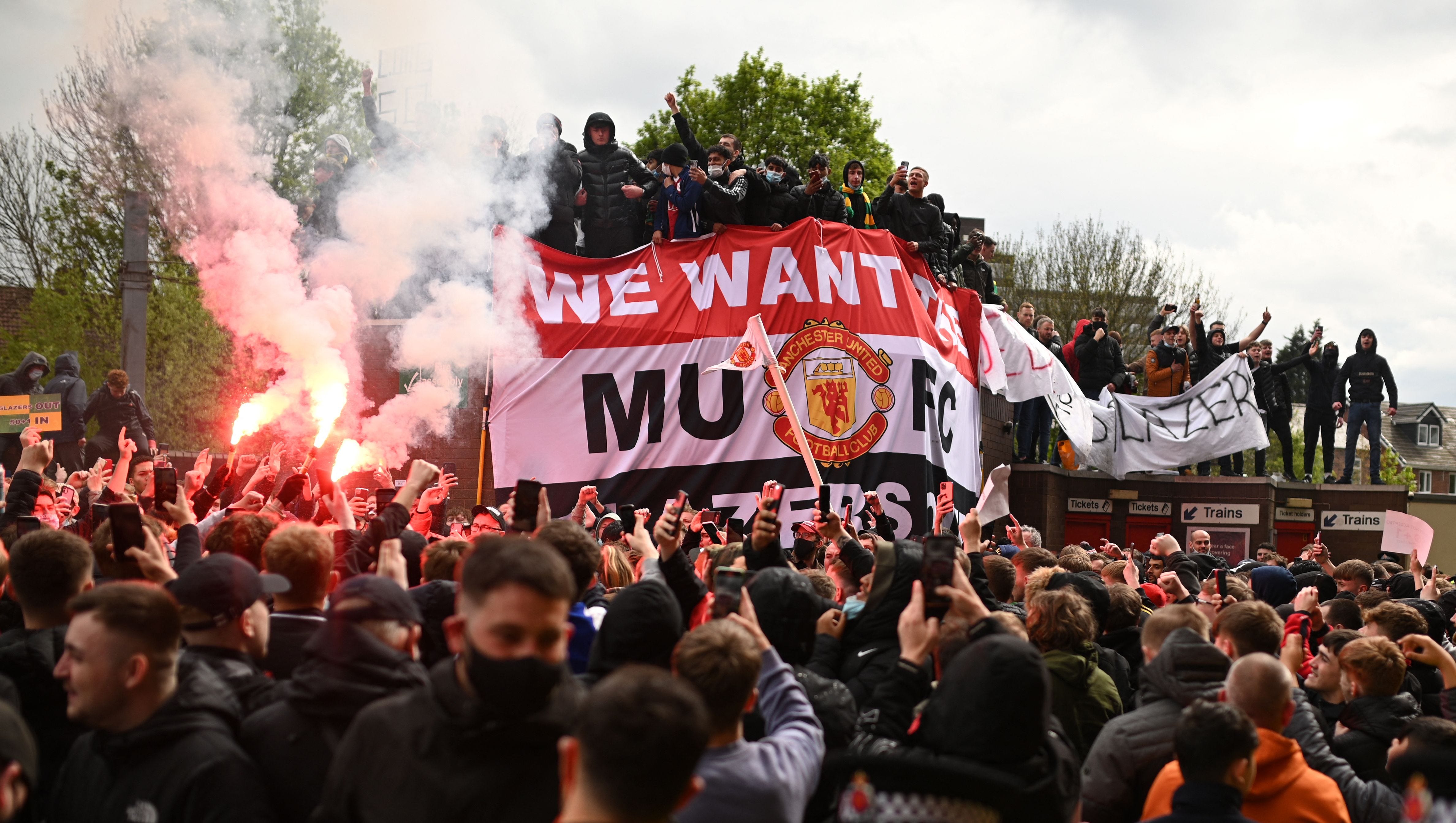
That approach might sustain the balance sheet for a while, but it hollows out everything else. Football clubs live on belief, inside the dressing room and on the terraces. When supporters sense that decisions are being made for reasons other than football, cynicism sets in quickly. You can hear it now at Old Trafford, a low murmur of apathy where expectation once roared.
INEOS arrived talking about best in class thinking and modern structures. What has followed looks anything but. Key roles are filled by people who appear chosen for alignment rather than expertise. Dissent is unwelcome. Long term planning gives way to reactive decisions driven by optics and short term pressure. The result is constant motion without progress.
Manager churn and tactical confusion
United’s managerial cycle has become grimly predictable. A coach is hired with talk of culture and philosophy. Early struggles are met with impatience. Promises of backing fade. The axe falls. The cycle restarts.
This is not how serious clubs operate. Stability does not guarantee success, but instability almost always guarantees failure. Players stop buying into ideas they know may not last. Recruitment becomes scattergun, shaped by the preferences of whoever happens to be in charge at that moment. Training ground work lacks continuity. Confidence drains away.
The decision to dismiss Ruben Amorim mid season sits squarely in this pattern. He was hired with full knowledge of how he wanted to play and what would be required. When results wobbled and criticism grew louder, the club panicked. There was no credible succession plan, no sense that the wider structure would support the transition. It was change for the sake of appearing decisive.
The football itself reflects this chaos. United struggle to control matches, to move the ball with purpose, to defend as a unit. These are not problems solved by switching between a back three and a back four. They are symptoms of a squad assembled without a clear idea of how it should function together.
Good teams know who they are. United do not. They look hesitant in possession and brittle without it. Players appear burdened by fear of mistakes rather than encouraged to impose themselves. That atmosphere comes from above, not just from the touchline.
Heritage as a crutch, not a plan
Perhaps the most damaging habit at Manchester United is the constant retreat into nostalgia. Former players dominate the conversation, endlessly debating what does or does not fit a mythical United way. Punditry becomes performance. Debate becomes noise. The past is invoked not as inspiration but as a weapon.
That heritage is real and it deserves respect, but it cannot be recreated by hiring familiar faces or repeating old slogans. Football has moved on. The Premier League is deeper, smarter, and more competitive than ever. Clubs succeed now through alignment, patience, and clarity, not by clinging to memories.
United’s leadership seems caught between eras. They talk about modernisation while indulging in sentimentality. They chase Champions League qualification for the revenue while ignoring the reality that this squad is nowhere near that level. Expectations are set without reference to evidence, and when they are inevitably missed, someone else takes the blame.
What United may actually need is the hardest thing of all, time spent out of the spotlight, rebuilding away from grand promises. That means accepting uncomfortable truths, including that mid table obscurity might be a necessary stage rather than an embarrassment to be avoided at all costs. There is no appetite for that at boardroom level, and so the drift continues.
Where this leaves Manchester United
Manchester United are no longer feared, envied, or even particularly resented. They are pitied, occasionally mocked, and often ignored. For a club that once set the agenda of English football, that is the clearest sign of decline.
This is not about one manager or one bad transfer window. It is about ownership that mistakes wealth for wisdom, leadership that confuses activity with progress, and a club structure that undermines anyone tasked with fixing it. Until that changes, no appointment will succeed, no tactical tweak will hold, and no amount of spending will deliver coherence.
United are becoming a case study in how a great club can lose its way without ever truly collapsing. That may be the most worrying part. There is no single dramatic failure, just a steady slide into irrelevance, masked by the echoes of past glory and the comfort of commercial success.
For the good of English football, one hopes they find a way back. For now, though, Manchester United look like a giant wandering without a map, haunted by what they were and uncertain what they are supposed to be.