

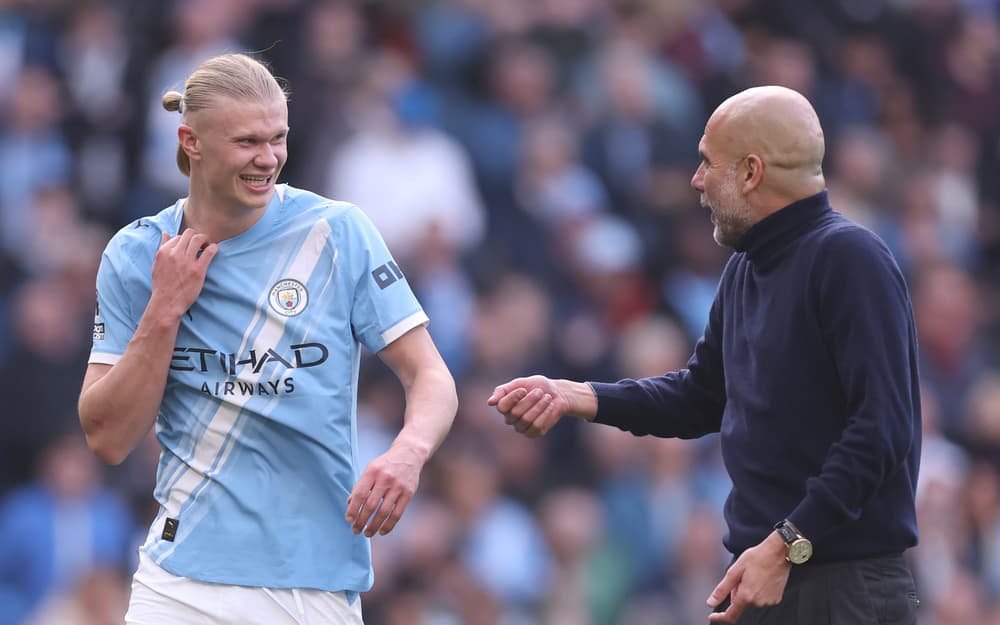
The title race has come alive, dragged back from the brink by Manchester City and sharpened by the stubborn resistance of Arsenal. It is everything the Premier League markets itself to be, tight margins, elite players, tension that bites.
And yet beneath the noise sits an awkward truth.
Most neutrals, if pushed, would rather see City lift the trophy.
Not because they admire them. Not because their success carries romance. Quite the opposite. It is because their victories land with a dull thud. They do not sting. They do not linger. They do not provoke the same tribal irritation that Arsenal, under Mikel Arteta, seem to generate.
City winning is easy to file away. Arsenal winning demands a reaction.
That tells you everything about the modern game.
Arsenal’s progress meets familiar doubt
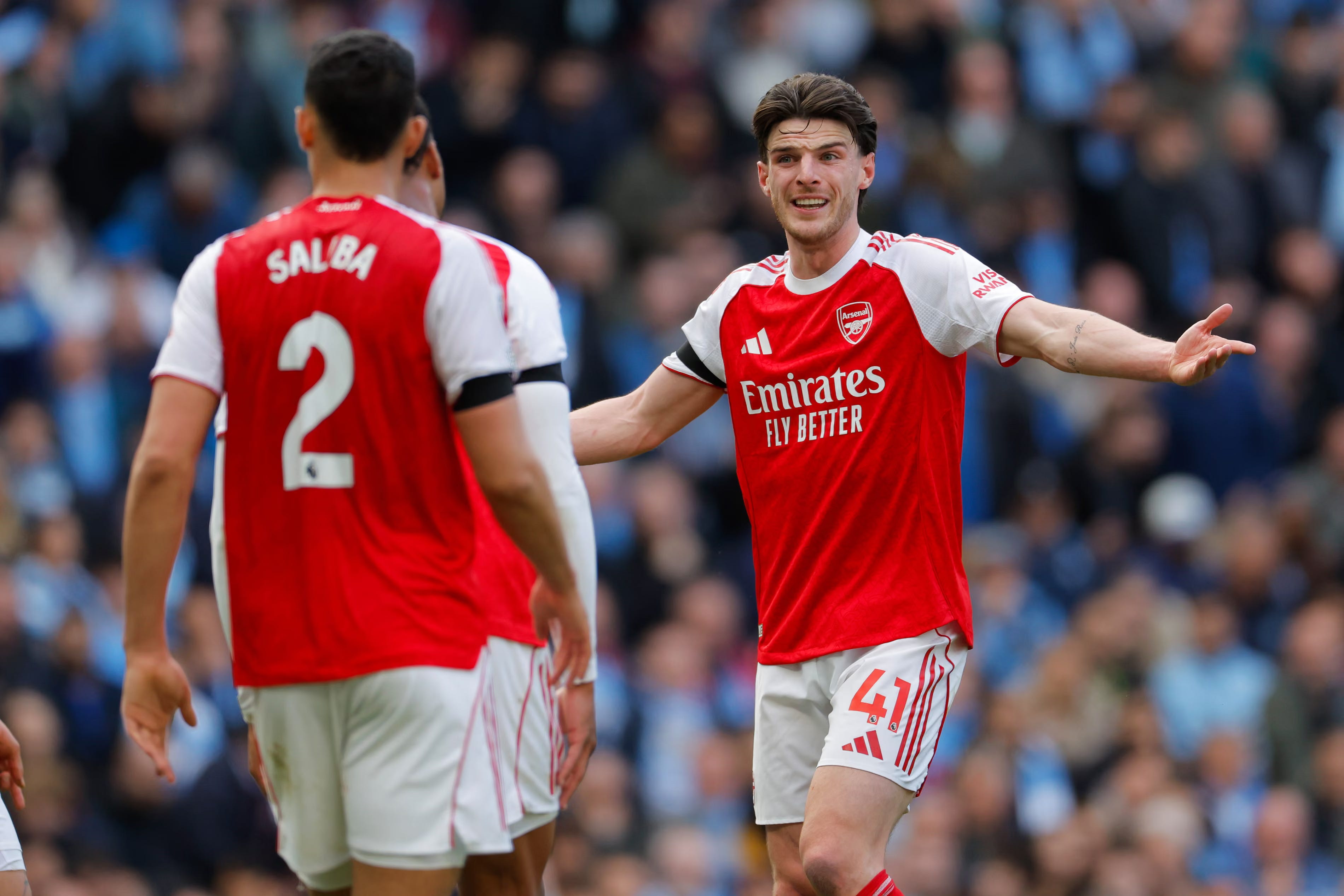
Arsenal went to the Etihad and played like a side that understood the stakes. They pressed high, forced errors, created chances. There was courage in the approach and clarity in the plan. On another day, they leave with a result.
But title races are not decided on “another day”.
They are decided in the margins. A loose touch, a missed header, a moment of hesitation. Arsenal had their share of all three. That is not bad luck. That is the difference between contenders and serial winners.
Arteta has built a side that can compete. That much is clear. Structurally, they are organised. Without the ball, they are aggressive. In phases, they can overwhelm even the best.
Yet there remains a fragility when it matters most.
Look beyond this match and the pattern sharpens. Dropped points in games they should control. A tendency to tighten when freedom is required. A reliance on near perfection rather than inevitability.
That is the final step, and it is always the hardest.
There is also a question of personality. Arsenal play with intensity, but not always with authority. When the moment demands ruthlessness, they can look like a team asking for permission rather than taking control.
That hesitation costs titles.
City’s machine keeps rolling
City, by contrast, do not ask. They take.
Even when they are not at their best, they carry an assurance that bends games in their favour. Pep Guardiola has built a system that absorbs pressure and waits for its moment. It is not always spectacular, but it is relentlessly effective.
Against Arsenal, they were tested. Pressed into errors, forced into uncomfortable spaces. Yet they stayed in the fight. That is their defining trait.
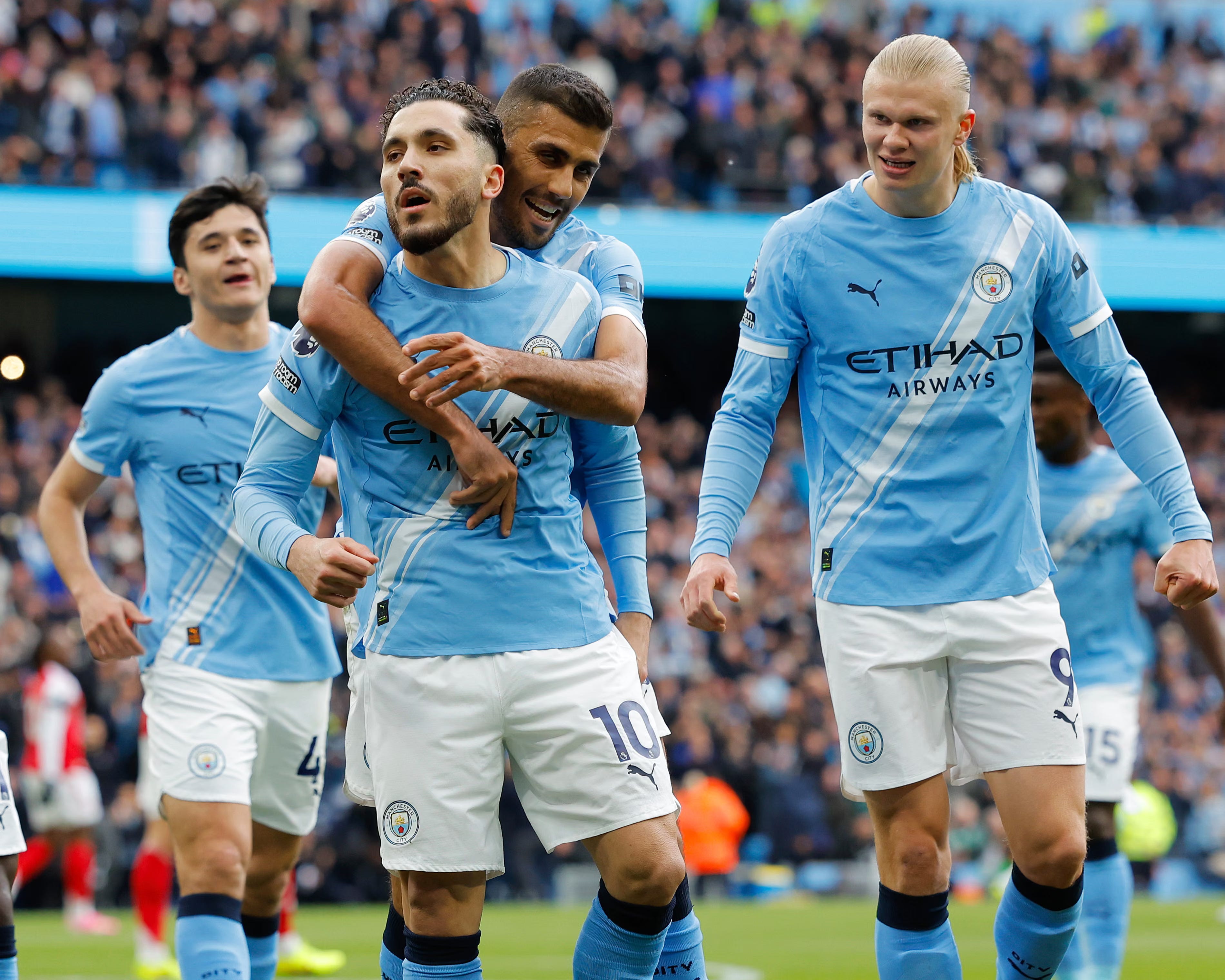
When the chance came, Erling Haaland took it.
That is what separates them. Not just quality, but certainty. A belief that the decisive moment will arrive, and when it does, they will be ready.
City have made a habit of this. Title run-ins are their territory. They do not panic. They do not drift. They accelerate.
You can see it in the way they manage games, in the calm that runs through their structure, in the efficiency of their finishing. It is a machine, finely tuned, rarely rattled.
And it is why, when the pressure tightens, they are still the side everyone expects to finish the job.
Football’s moral blind spot
Here is where the conversation turns uncomfortable.
City’s dominance does not exist in a vacuum. The financial questions, the charges, the ongoing shadow over their achievements, none of it has gone away. It sits there, unresolved, shaping perception whether people admit it or not.
Even if no guilt is ever formally established, the doubt lingers.
That is why their success feels hollow to many. Trophies are won, records broken, yet the emotional impact is muted. It is admired in a technical sense, but rarely celebrated in a human one.
And still, neutrals lean towards them.
That is the contradiction at the heart of this title race. A club viewed with suspicion is, in many corners, the preferred winner. Not out of respect, but out of convenience.
Because Arsenal provoke something stronger.
There is irritation towards Arteta’s touchline persona. Frustration at perceived theatrics. A sense that Arsenal, for all their quality, carry themselves with a certain edge that invites opposition.
It is not always fair. It is not always rational. But it is real.
So the choice becomes simple. Do you back the team that divides opinion, or the one whose victories feel detached from consequence?
Many choose the latter.
That should concern the game more than any result.
What this title race really tells us
Strip it back and this is a brilliant contest. Two elite sides, pushing each other, separated by the smallest of details. It should be celebrated on those terms alone.
But football never exists in isolation.
This race has exposed something deeper. How success is judged, how narratives are formed, how morality is weighed against entertainment.
Arsenal are trying to break a cycle. To prove they can match consistency with ambition. To turn progress into silverware. They are close, closer than they have been in years.
City are trying to extend an era. To reinforce a dominance that has become routine. To win again, and again, and again.
The football is compelling. The stakes are clear.
Yet the emotional undercurrent tells a different story.
If City win, it will be another title added to a growing collection. Efficient, expected, quickly absorbed into the background.
If Arsenal win, it will spark noise. Debate. Reaction.
And that is why, quietly, many will lean towards the outcome that asks the least of them.
It is easier that way.