

Hibernian have sacked head coach David Gray, ending the reign of a man who spent twelve years at Easter Road as both a decorated player and, more recently, the club’s manager. The decision was confirmed on Wednesday evening, hours after a 1-0 home defeat to Kilmarnock left Hibs ninth in the Scottish Premiership and sitting just two points above the bottom of the table.
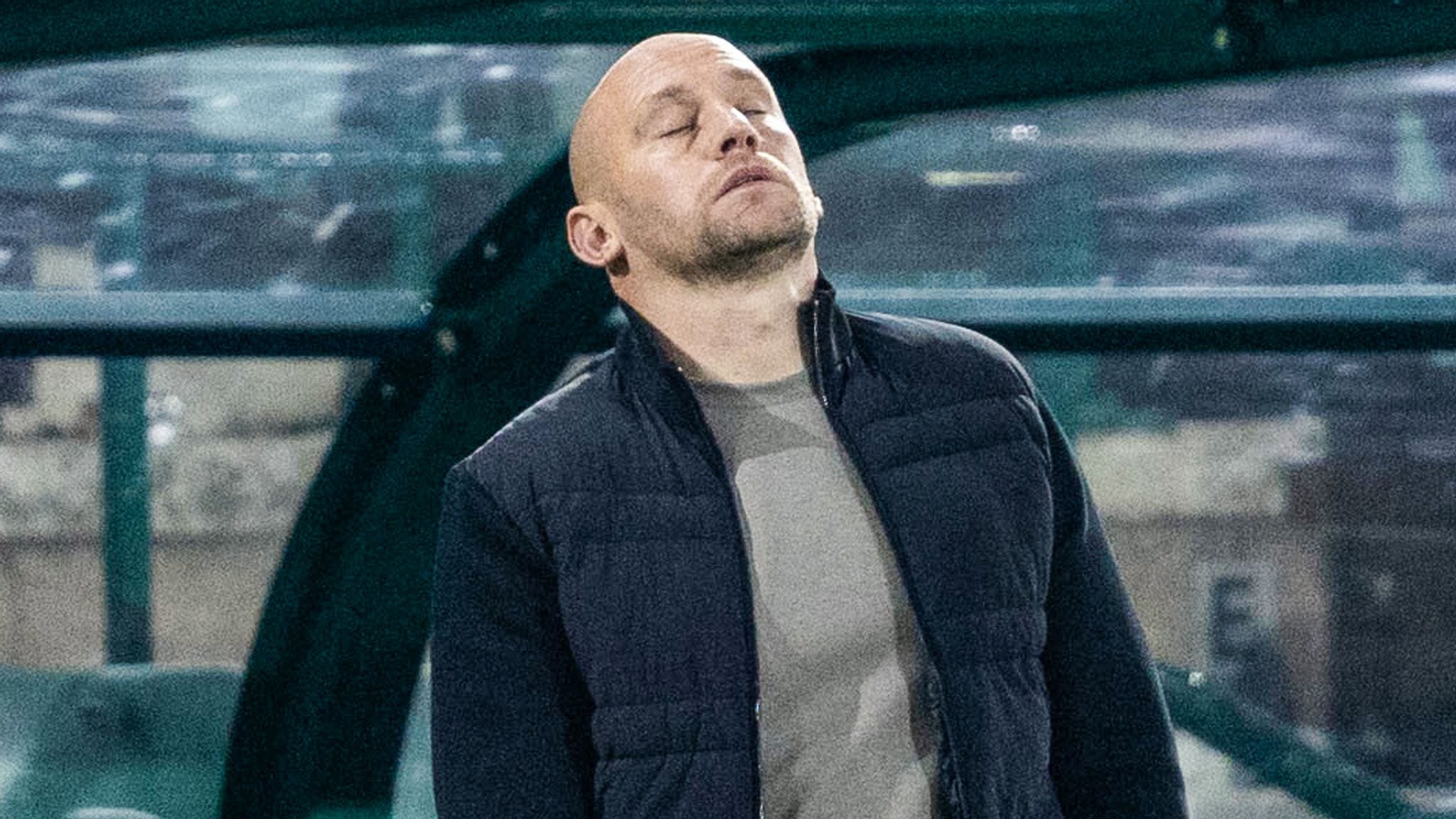
That result meant six consecutive home league defeats for Hibernian, a run that equals a club record stretching back to 1920. It was the detail that made Gray’s position untenable, even for a board that had shown considerable patience with a manager who is also one of the club’s most cherished modern figures.
Executive chairman Ian Gordon did not pretend the decision had been straightforward. In a club statement reported by Sky Sports, he said “this is a decision that we have not taken lightly, but unfortunately, one as a board we had to make due to the recent downturn of results and performances,” while also praising Gray as “an inspirational figure at the club during his time here” who delivered “incredible moments” along with a spell of stability that Hibernian have rarely enjoyed this century.
From Cup Final Hero to Head Coach
Gray’s history with Hibernian runs far deeper than results tables. As a player, he provided one of the great moments in the club’s history, scoring the stoppage time winner in the 2016 Scottish Cup final against Rangers that ended a 114 year wait for the trophy. That goal alone secured his status among supporters, regardless of anything that followed in the dugout.
He first took charge on an interim basis on no fewer than four separate occasions before the club finally handed him the job permanently in the summer of 2024, backing him with a three year contract. The early signs were encouraging. Hibernian finished third in his first full season in charge, their best league placing in years, and followed it with a fifth placed finish last season after recovering from a sluggish start. Across 107 matches as head coach, Gray won 43, drew 29 and lost 35, a record that, taken as a whole, compares reasonably well with most of his predecessors.
It is the manner of this season’s collapse that proved decisive. Hibernian have lost four of their opening six league games, and the home form in particular has fallen off a cliff. Losing to Kilmarnock, a side who have had their own struggles in recent seasons, was the result that finally exhausted the board’s patience.
A Season Already Going Wrong
The domestic slump has been compounded by more painful exits elsewhere. Hibernian suffered another dramatic European departure this season, losing their Conference League play off tie to Belgian side Gent, a second successive campaign in which continental football has ended in disappointment and, for a club that has invested heavily in trying to build a European presence, a frustrating pattern to keep repeating.
There has been at least one bright spot. Hibernian have progressed to the semi finals of the League Cup, offering some evidence that the quality within Gray’s squad had not entirely disappeared. But cup runs rarely save managers when the league form that pays the bills has deteriorated so sharply, and a ninth placed position with home form at its worst in over a century left the board with little room to keep waiting for an upturn.
What made the Kilmarnock defeat sting even more was the identity of the opponent. Killie arrived at Easter Road having failed to win there in fourteen previous visits, a record that made Wednesday’s result feel less like an isolated bad afternoon and more like confirmation of something badly wrong within the squad and the stadium itself, where home support has curdled into open frustration.
Assistants Liam Craig and Craig Samson have also left Easter Road as part of the reshuffle, underlining that this was a clean break with the coaching setup Gray built around him rather than a single change at the top.
Defiance That Lasted Barely a Day
In the immediate aftermath of the Kilmarnock loss, Gray had faced questions about booing from sections of the Hibernian support and spoke with the tone of a manager determined to fight on. Addressing the mood inside Easter Road in comments carried by the Scotsman, he said the criticism was something he would simply have to accept, telling reporters that “that noise is going to be there, so it’s entirely up to us” to change it on the pitch. He added that he would keep giving “everything in my power” for as long as the club wanted him in the job.
Those words lasted barely twenty four hours before the board decided otherwise. It is a reminder of how quickly a manager’s position can shift from difficult to untenable once results and atmosphere combine against them, however much good will has been built up over previous seasons.
Potter Steps In as Search Begins
Coach John Potter has been placed in interim charge and will lead the team for Saturday’s visit of Aberdeen, a fixture that suddenly carries significant early season weight for a club needing a response. Hibernian have said only that they will name a new permanent head coach “in due course,” giving no firm timescale for a process that will need to move quickly given where the team sits in the table.
Gray’s departure also extends a pattern that has become uncomfortably familiar at Easter Road. He is merely the latest in a succession of head coaches shown the door in recent years, following the likes of Jack Ross, Shaun Maloney, Lee Johnson and Nick Montgomery through a revolving door that has made sustained progress difficult to build. That context will not be lost on whoever the club appoints next, nor on supporters who had hoped Gray’s personal connection to the club might buy him more time than most.
For now, the focus shifts to Potter and a squad that will need to arrest a genuinely alarming home record before it does any more damage to a season that started with reasonable expectations after two respectable top five finishes. Aberdeen’s visit on Saturday will offer the first real evidence of whether Hibernian can steady themselves, or whether the crisis that cost David Gray his job runs deeper than one bad result against Kilmarnock.
If you enjoy this kind of football writing, consider subscribing to It Was Always… Football for more coverage of the stories shaping the game, from the biggest leagues to the corners that deserve more attention.