

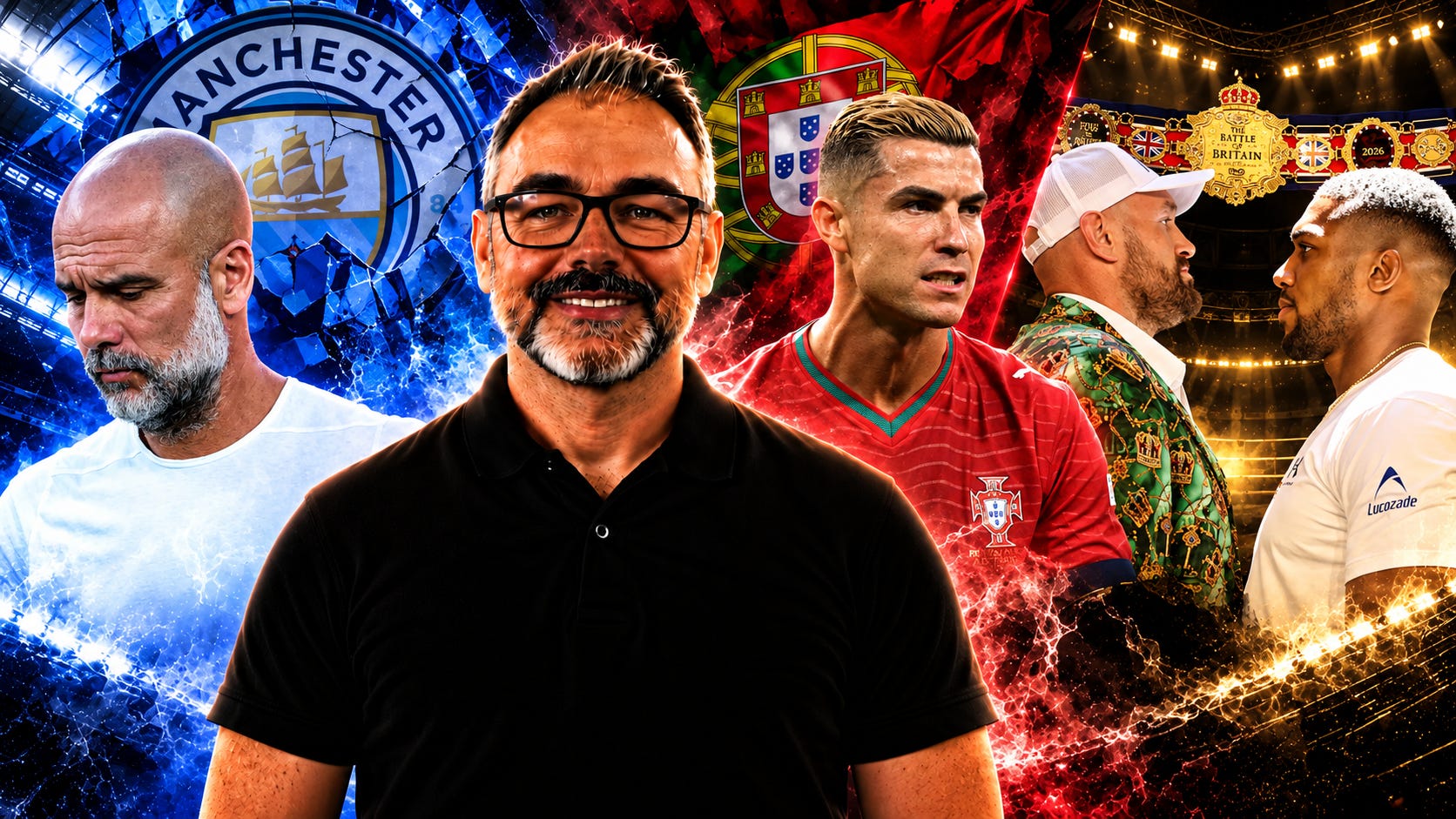
So much for using the international break to switch off from football.
I managed to finish Vigil series three and somehow survived the entirety of Outlander series eight, which became an endurance test towards the end. The garage and attic, however, remain untouched.
Then Manchester City happened.
Suddenly I was dragged straight back in, writing about guilty verdicts, responses and what all of this means for Pep Guardiola’s legacy. Cristiano Ronaldo’s online disciples also decided to keep me entertained after last week’s column.
And I’m making a rare excursion beyond football this week because the Tyson Fury versus Anthony Joshua shambles feels impossible to ignore. The Saudi sporting experiment increasingly connects football, boxing and the wider question of what happens when enormous amounts of money distort the normal economics of sport.
Four topics, then. Guardiola, City’s response, the Ronaldo cult and boxing’s Saudi bubble.
Guardiola’s Legacy Was Never Untouchable
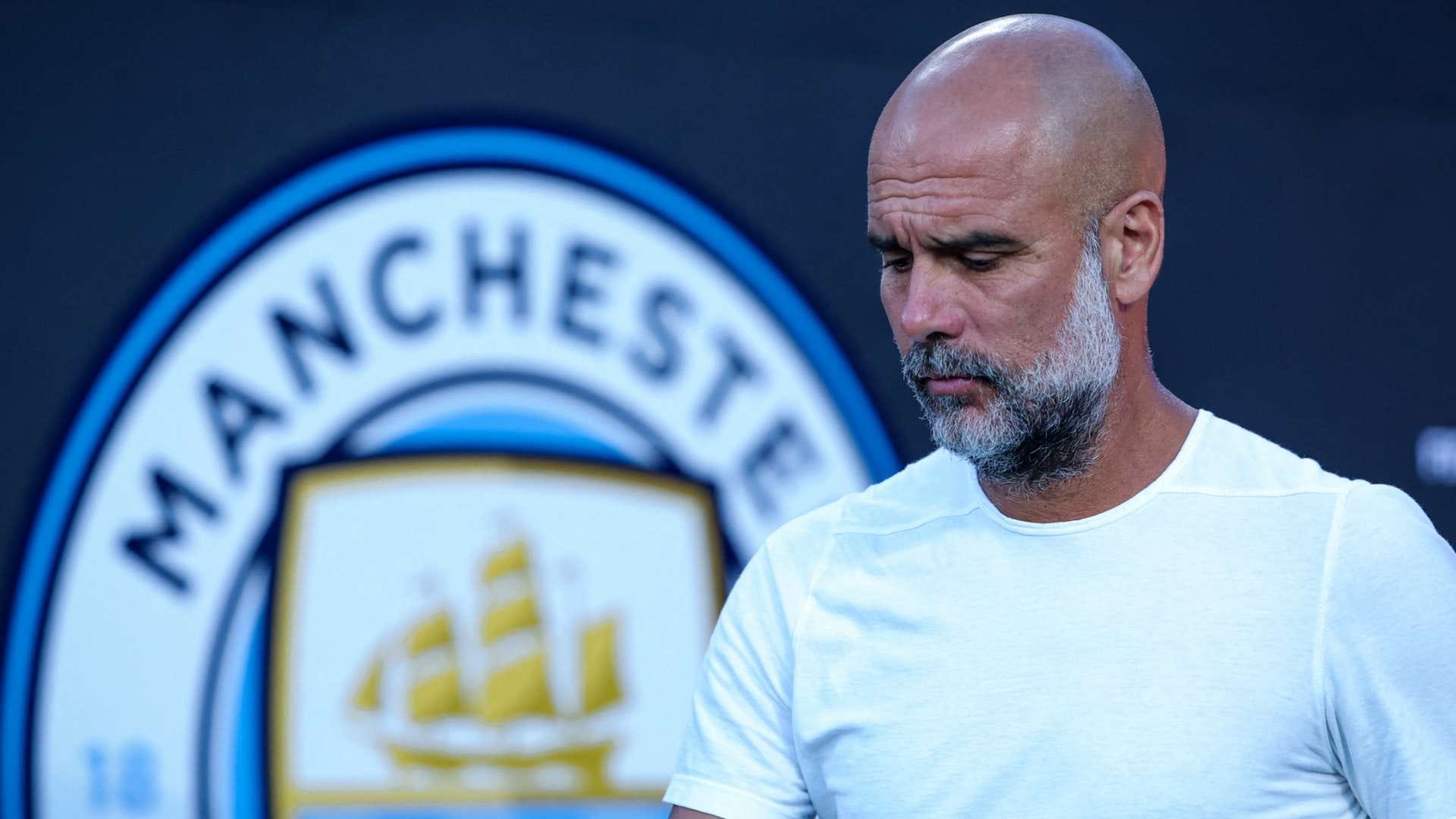
I have never regarded Pep Guardiola as the greatest manager of all time, and the events surrounding Manchester City have done nothing to move me closer to that view.
He is unquestionably a brilliant coach. His teams have played extraordinary football and his tactical influence stretches far beyond the trophies he has collected. But whenever greatness is discussed, context matters.
Guardiola has enjoyed a stacked deck at every managerial job he has taken.
At Barcelona he inherited a club containing Lionel Messi, Xavi, Busquets and Andrés Iniesta. He moved to Bayern Munich, the dominant force in Germany, then arrived at a Manchester City project constructed specifically to give him almost everything a coach could want.
The independent commission’s findings now make that last point considerably more uncomfortable. The source material argues that without the funding arrangements found to have circumvented financial rules, City may not have been able to construct the infrastructure, squad and executive structure that eventually attracted Guardiola.
That matters when assessing legacy.
Sir Alex Ferguson won a European trophy with Aberdeen. Brian Clough took Nottingham Forest from the Second Division to consecutive European Cups. Guardiola’s career has never contained anything remotely comparable because he has never attempted anything remotely comparable.
Guardiola’s Own Words Now Matter
What bothers me more is his response since the verdict.
Guardiola previously made his position very clear. Speaking about City’s hierarchy, he said:
“If you lie to me, the day after… I’m not here.”
He also said that if City were not innocent, they would accept what the Premier League decided.
An independent commission has now found City guilty of serious breaches, including arrangements it described as “sham” contracts. City are appealing, which they are perfectly entitled to do.
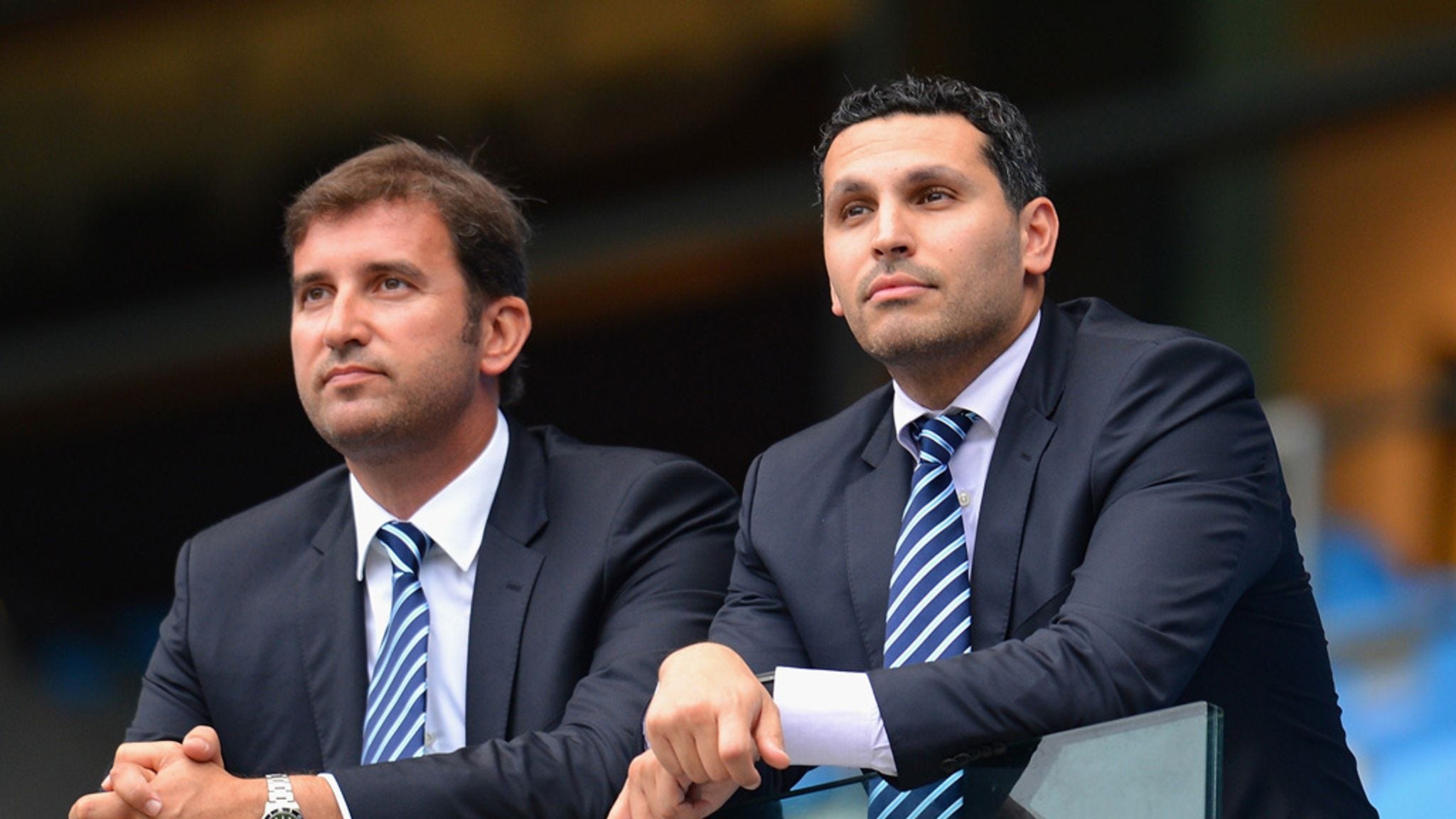
Guardiola’s response was not caution or disappointment. He declared himself behind the club, owner, chairman and Ferran Soriano “more than ever”, adding: “We will get through this together.”
Those positions are difficult to reconcile.
And this is where I struggle with the idea that Guardiola should simply be detached from everything that happened above him.
I cannot state as fact that Guardiola knew the details of City’s financial arrangements. Neither does the material I’ve seen establish that. But personally, I find complete ignorance difficult to believe.
For years he was repeatedly questioned about City’s finances. In 2019 he was directly asked whether his remuneration included an arrangement comparable to Roberto Mancini’s reported consultancy agreement with Al Jazira. Guardiola reacted angrily.
You don’t spend a decade answering questions of that seriousness without, I would have thought, asking questions of your own employers.
Perhaps one day we’ll learn exactly what Guardiola knew and when he knew it. Perhaps we won’t.
Either way, his Manchester City legacy can no longer be discussed solely through points totals, trophies and beautiful football.
Guardiola remains one of the outstanding coaches of his generation.
Greatest manager ever?
For me, he wasn’t close before this verdict.
He certainly isn’t now.
City’s Response Has Made Everything Worse
There was always going to be an appeal.
Manchester City were never going to receive a verdict of this magnitude, accept it quietly and move on. They have spent years denying the allegations, enormous sums defending themselves and repeatedly insisting that the evidence would ultimately vindicate them.
What has surprised me is the tone since the verdict.
There has been very little humility, very little acknowledgement of what an independent commission actually found and seemingly no recognition of how damaging this is for English football.
Instead, we have had more defiance.
City maintain that the decision is unsafe and contains material errors of law, principle and fact. They are entitled to argue that through the appeal process. That is how the system works.
But an appeal does not make the existing judgment disappear.
Right now, Manchester City have been found guilty.
That distinction seems increasingly important because City’s public response gives the impression that this is merely another accusation they need to bat away. It isn’t. We have moved beyond allegations.
‘Irrefutable’ Has Aged Terribly
For years, City’s language was extraordinarily confident.
Remember the word “irrefutable”?
Their evidence would supposedly establish their innocence. Yet the commission ultimately found against them on all but one charge, while concluding that evidence from a number of important witnesses was false in key respects and that some witnesses had knowingly given untrue evidence.
That’s devastating.
Then came Ferran Soriano’s video.
I use AI video myself. Watching that strangely motionless delivery, barely blinking while telling supporters that City would appeal, I genuinely wondered whether I was watching an artificial version of him.
Perhaps that’s appropriate because the entire response felt artificial.
Where was the acknowledgement that an independent process had reached extraordinarily serious conclusions? Where was the contrition? Where was even the suggestion that somebody inside Manchester City might examine how the club reached this point?
Instead, the message remains essentially the same.
We disagree. We appeal. We continue.
Appeal, Deny, Delay
I’ve spoken about this case for years, often alongside Mo Chatra, and one thing has become exhausting: everything takes forever.
Challenge the investigation. Challenge the process. Challenge the rules. Challenge the verdict.
Now challenge the result.
Again, City have every legal right to appeal. But there is a difference between exercising your rights and pretending the judgment beneath that appeal has no significance.
I also don’t buy the argument that Etihad somehow becomes the central victim because the commission used the word “sham” when describing arrangements involving sponsorship contracts. Responsibility for complying with Premier League regulations rests with Manchester City. The uncomfortable questions surrounding those arrangements exist because of what the commission found about City’s conduct.
Perhaps the appeal overturns important elements of the ruling. If that happens, we assess the evidence again.
Until then, however, Manchester City cannot simply continue behaving as though the last few years culminated in another accusation.
They culminated in a guilty verdict.
The club spent years telling everyone to wait for the evidence.
The evidence was examined.
They simply don’t like the answer.
Ronaldo’s Cult Is More Interesting Than Ronaldo Now
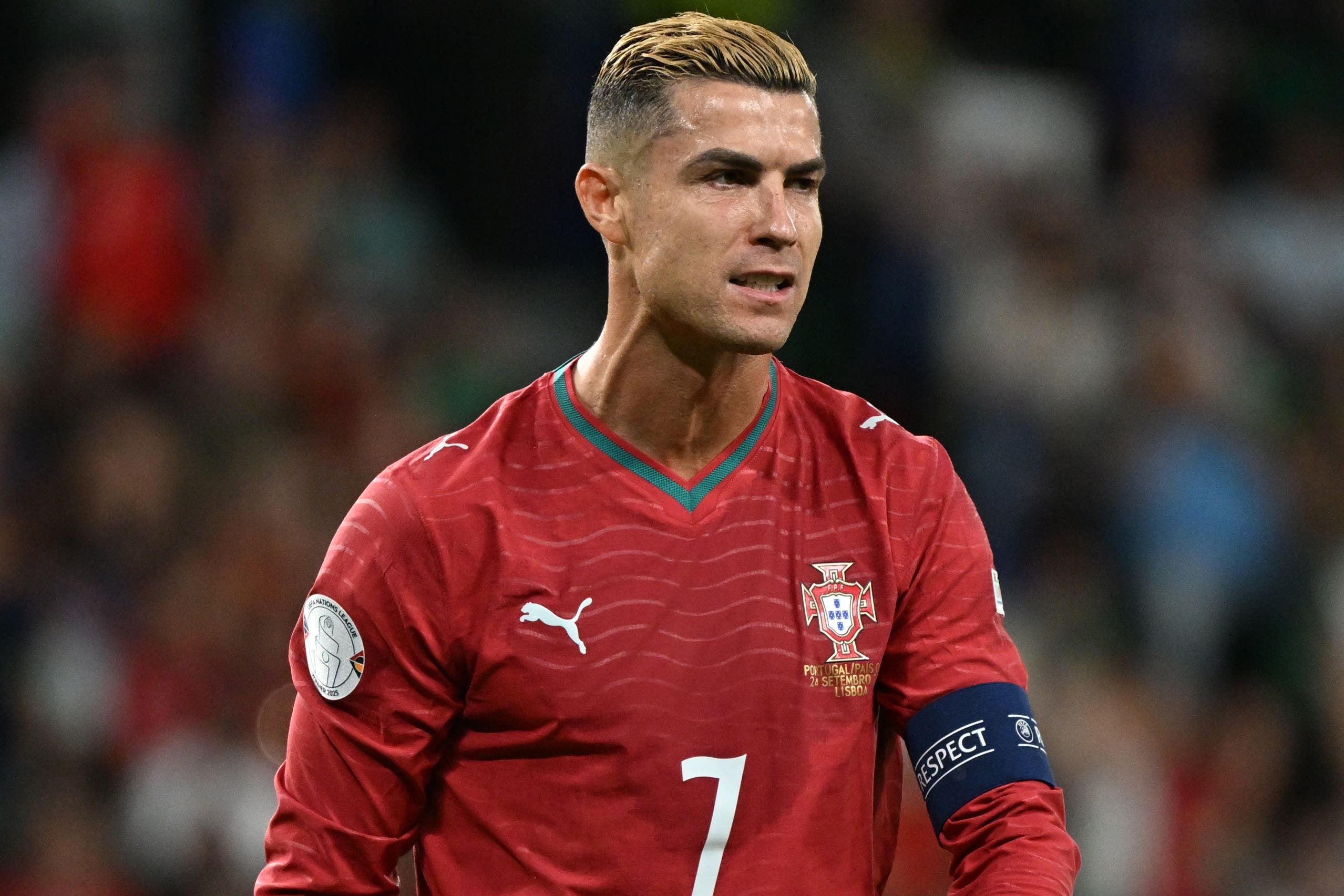
I wasn’t planning on writing about Cristiano Ronaldo again this week. I’ve said what I think about him as a footballer in 2026, and there are only so many different ways you can say that a 41 year old is no longer an elite player.
Apparently, however, saying it at all is forbidden.
My Twitter timeline became a fascinating place after I dared to criticise Ronaldo. The cult came for me, and they came strong.
Statistics arrived. Goal totals arrived. Videos arrived. Laughing emojis arrived in industrial quantities. Apparently pointing out that Ronaldo has been playing well below elite European level for years, moves around the pitch at a fraction of the speed he once did and was a major weakness for Portugal at the World Cup constitutes some extraordinary act of disrespect.
Then something even stranger happened.
It became Lionel Messi versus Cristiano Ronaldo.
I hadn’t mentioned Messi.
Not once.
Football Discussion Has Become Tribal Worship
That was probably the most revealing part of the whole experience.
For a certain section of Ronaldo’s online following, criticism of him can apparently only originate from membership of the opposing Messi tribe. There can be no independent assessment of the footballer in front of you. If you think Ronaldo is finished, you must therefore worship Messi.
It’s childish.
Ronaldo was one of the greatest footballers I have ever watched. Saying that doesn’t require me to pretend the version playing at 41 is remotely comparable to the player who terrorised Premier League and La Liga defenders.
Time wins. It beat Pelé, Maradona, Cruyff, Messi and every other footballer who has ever lived. Ronaldo isn’t going to become the first man granted an exemption.
What fascinated me was how personally some people took it. Criticising Ronaldo’s current level appeared to be received as criticism of them. His career statistics became a defence against what anybody could see happening in the present.
That’s fandom crossing into something approaching personality worship.
And perhaps that explains part of the problem Portugal have faced. Ronaldo has become bigger than the football conversation surrounding Ronaldo. Every substitution becomes an event. Every criticism becomes sacrilege. Every discussion about whether somebody else should play becomes an attack on his legacy.
It shouldn’t be.
Greatness doesn’t expire because the footballer does.
Nobody can take away what Cristiano Ronaldo achieved. His place in football history is secure.
But if saying a 41 year old is no longer an elite footballer sends thousands of strangers rushing to their keyboards to defend his honour, I’m not sure I’m the one struggling to accept reality.
And no, I still haven’t mentioned Messi.
Well, apart from just then.
Saudi Money Has Distorted Boxing, Now the Bubble Is Looking Fragile
Boxing will survive Saudi Arabia. I’m increasingly convinced it might be healthier when some of this money disappears.
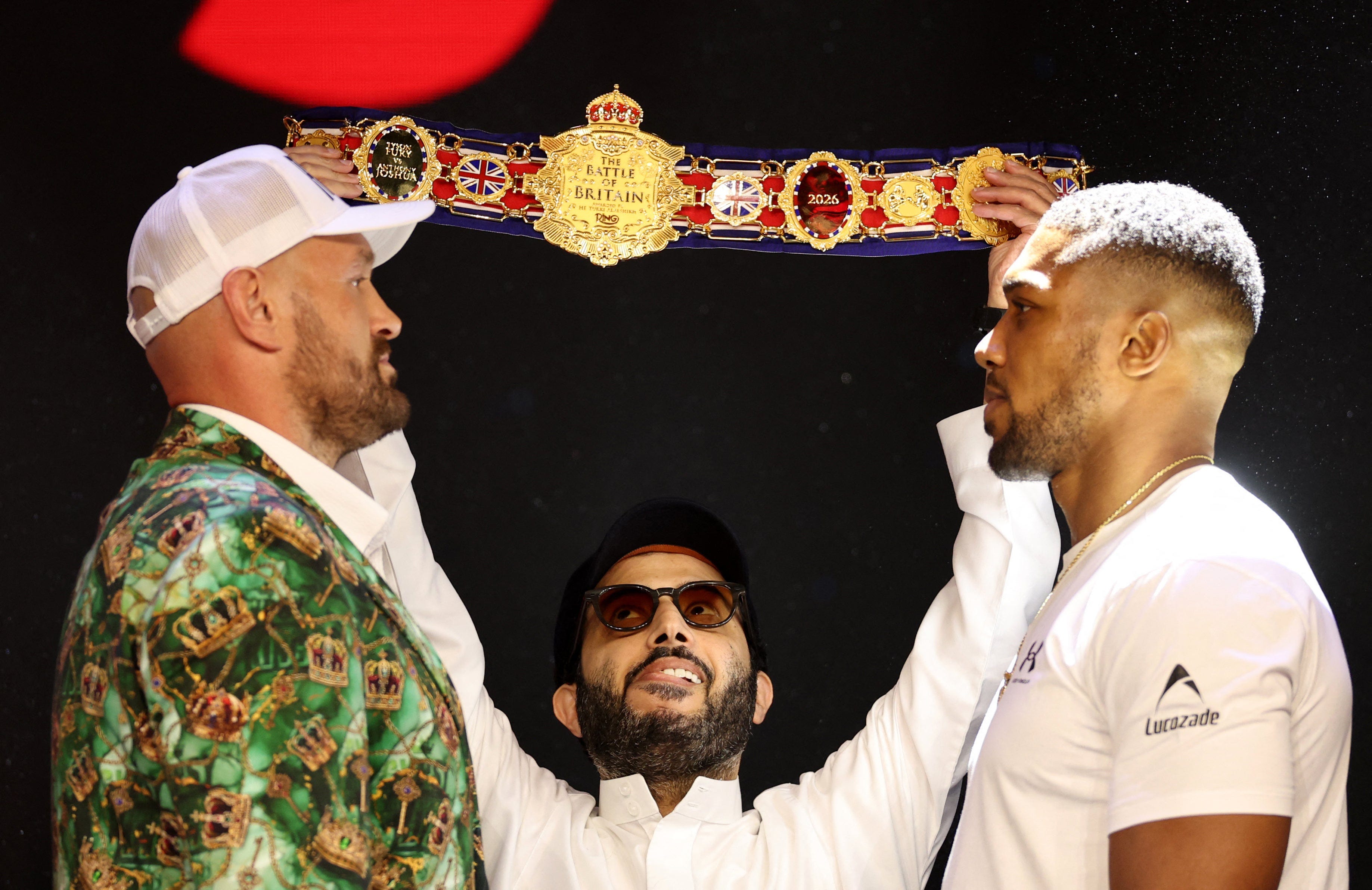
The Tyson Fury versus Anthony Joshua saga has become a perfect illustration of what has gone wrong. A fight supposedly “a decade in the making” was announced, reportedly off, back on again, then engulfed by arguments over who was actually promoting the thing. We’re talking about a proposed £200million event involving two ageing heavyweights whose defining opportunity to fight each other passed years ago.
It feels increasingly like boxing’s equivalent of influencer fights.
The names sell the event, so apparently nothing else matters.
Fury and Joshua would once have represented the biggest legitimate fight British boxing could make. Now it resembles an extraordinarily expensive nostalgia exhibition funded because somebody has enough money to make reality bend around their personal wishlist.
That somebody is Turki Alalshikh.
Boxing Became Somebody Else’s Vanity Project
I understand why Eddie Hearn and Frank Warren embraced Saudi Arabia. Their job is promoting fighters and making money. Saudi investment delivered fights boxing had previously struggled to make, most notably Fury against Oleksandr Usyk for the undisputed heavyweight championship. It even got Hearn and Warren sitting around the same table.
But somewhere along the way, everybody started behaving as though boxing should simply be grateful.
The fawning over “His Excellency” became embarrassing. Fighters, promoters and broadcasters were suddenly orbiting one extremely wealthy individual whose personal preferences could determine which fights happened and where.
Now Dana White has entered the circus through Zuffa Boxing, Hearn and Warren are protecting their territory, and Alalshikh has suggested health problems could mean his own involvement is approaching its end.
What happens then?
That’s the problem with building a sporting ecosystem around effectively unlimited money and individual patronage. Eventually somebody asks whether it makes any financial sense.
We’re already seeing that elsewhere. PIF reportedly spent close to $6billion on LIV Golf before withdrawing funding, while other Saudi sporting projects have been reduced or abandoned.
One expert quoted in the source makes an important distinction: Saudi football forms part of a much broader national strategy, particularly with the 2034 World Cup approaching, whereas boxing has been considerably more personality driven around Alalshikh and Riyadh Season.
That makes boxing vulnerable.
The sport survived Don King. It survived countless governing bodies, promoters refusing to work together, absurd sanctioning fees, meaningless belts and decades of fights happening five years later than they should.
It will survive this.
Saudi money briefly created the illusion that boxing’s fundamental problems could be solved by throwing enough cash at them.
Fury against Joshua in 2026 suggests otherwise.
If anything, it proves you can spend £200million and still make boxing look ridiculous.
So much for a quiet international break
I’ve still got more than a week before the Premier League returns, so there’s technically time for the garage and attic. I’m making absolutely no promises.
Tonight I’m off to Glasgow with the family to see a show. The sensible thing would be to leave the laptop at home, forget about football and enjoy the evening.
Obviously, I’ll take it with me.
I’ll ask my wife to drive too.
Just in case Manchester City release another video, Ronaldo scores against his son in the garden and declares himself immortal, or Saudi Arabia announces a £500million rematch between Rocky Balboa and Ivan Drago.