

There is something strangely unsettling about finally getting the quiet you have spent months wishing for.
Football has occupied almost every spare corner of my life for as long as I can remember, and the last few months have been particularly relentless. Yet for the second week running, I have barely watched any live sport.
At first, I enjoyed it.
Then I started wondering what was wrong with me.
This part of August normally feels like the moment when sport begins cranking itself back into gear, yet there has been a peculiar emptiness this year. The Scottish Premiership is underway, although I have paid embarrassingly little attention to it. La Liga returns this weekend and that will certainly tempt me back.
I also wonder whether the Commonwealth Games scheduling has missed an opportunity. This sporting chasm before the Premier League returns feels precisely the kind of space a major multi sport event could have occupied. Instead, I’ve found myself catching up on television, including The Pitt, and discovering the novelty of evenings where nobody is trying to sell a midfielder for £80 million.
Work, admittedly, has offered little respite.
We are preparing to bring EPL Index properly onto YouTube in the next few days, which has meant plenty happening behind the scenes. Anfield Index continues its relentless daily existence too, despite Liverpool apparently deciding that the most entertaining transfer strategy is to do absolutely nothing and leave everyone trying to find new ways of discussing it.
Credit to the team, they have somehow managed.
Perhaps the absence of actual football has also given me more time to think about the bigger questions.
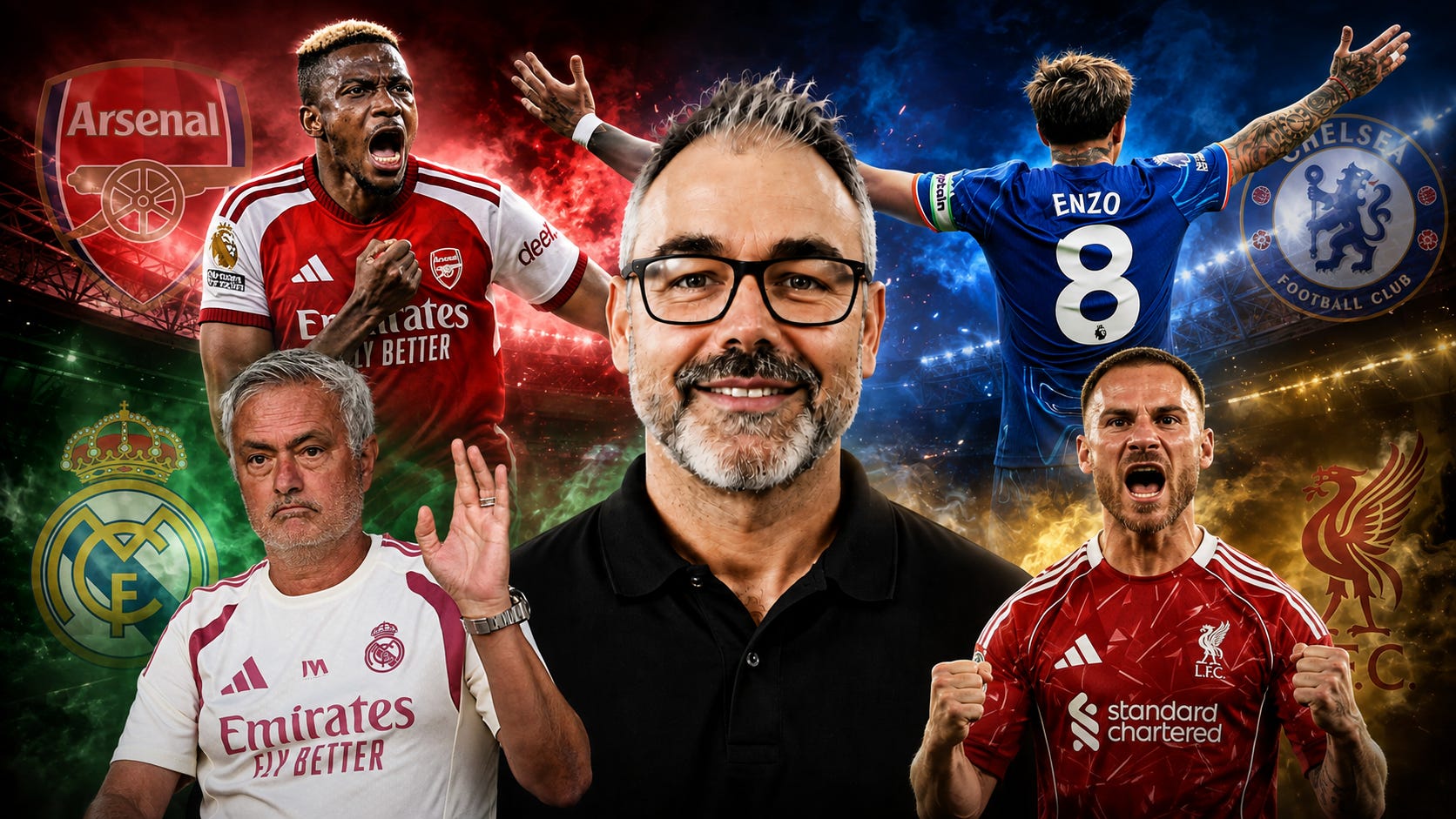
Can Arsenal become the rare champions capable of defending their crown, and would Victor Osimhen transform the equation? Should Chelsea really reject £120 million for Enzo Fernandez? Are Liverpool quietly telling us exactly what they think about Alexis Mac Allister without ever saying it publicly?
And finally, thank goodness, La Liga is back.
Maybe I’ve had enough quiet after all.
Can Arsenal Go Again? Osimhen Could Provide the Answer
Winning a league title changes a football club. Retaining one tells you considerably more about it.
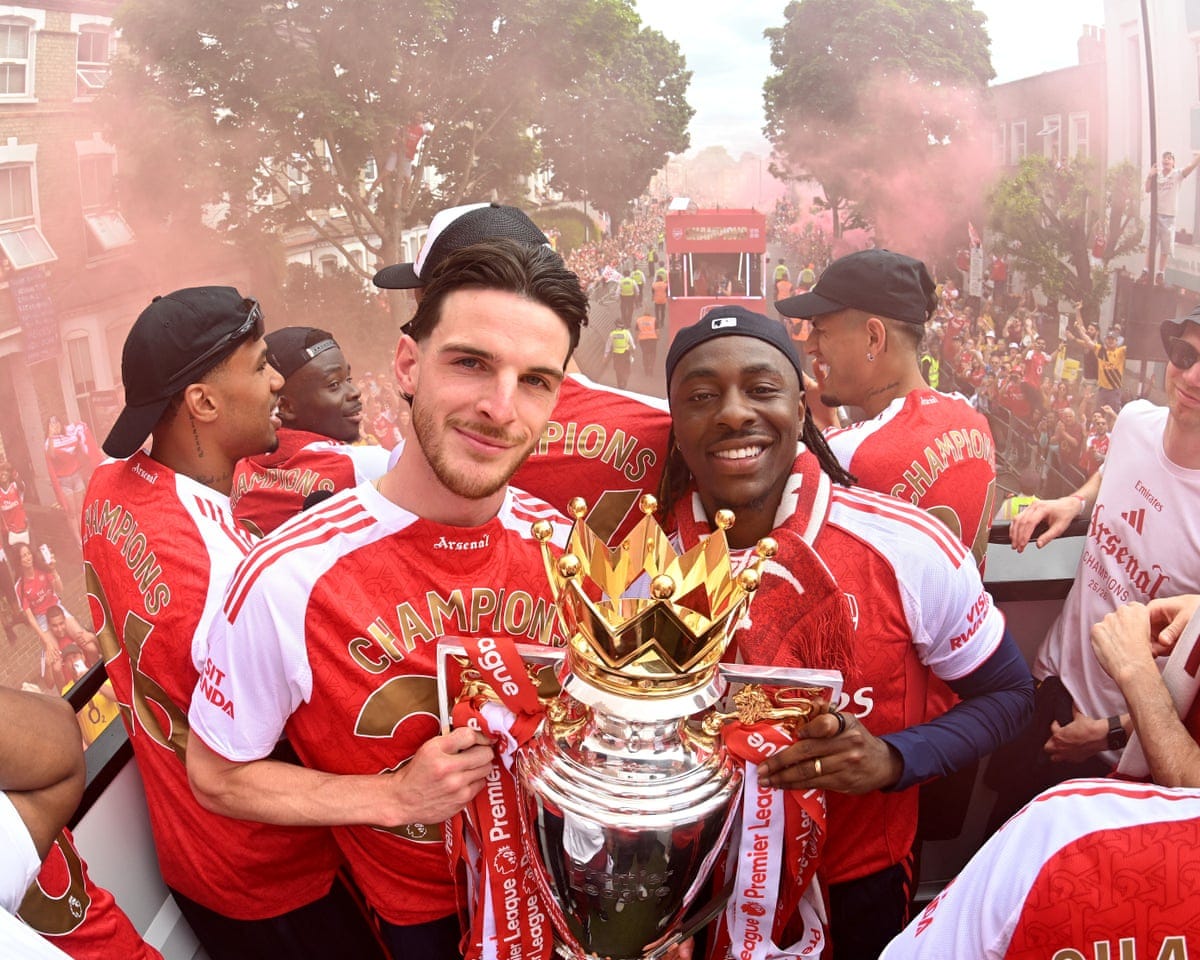
Arsenal spent years climbing towards the summit, suffering enough near misses to make you wonder whether Mikel Arteta’s project would ever receive the validation it deserved. Last season it finally did. Twenty two years after their previous Premier League title, Arsenal were champions again.
Now comes the harder examination.
Only Manchester United, Chelsea and Manchester City have successfully defended the Premier League title. Arsène Wenger never managed it. Jürgen Klopp never managed it. Great teams have discovered that reaching the summit and remaining there require different qualities.
I think Arsenal can do it.
I might even make them favourites.
But there is one glaring weakness that still bothers me.
They need more goals.
Arsenal scored 71 in the league last season, the lowest total by champions since Leicester City a decade earlier. More strikingly, 25 came from set pieces and only 42 from open play.
That is extraordinary.
You can admire their set piece excellence while recognising the danger of relying upon it to that extent. Championship teams need different routes to victory. They need to be capable of overwhelming opponents when the carefully rehearsed corner does not produce an answer.
There are mitigating circumstances.
Bukayo Saka and Kai Havertz had injury problems. Viktor Gyokeres should be better after a year adapting to English football. Eberechi Eze has another season within Arteta’s system. Christos Tzolis has looked promising. Ethan Nwaneri and Max Dowman are another year older.
Then there is Bruno Guimaraes.
What a signing that could prove to be.
Put him alongside Declan Rice and Martin Odegaard and Arsenal possess a midfield capable of bullying most opponents in this league. They have strengthened an area that was already formidable.
Yet I keep coming back to the attack.
Arsenal clearly recognised the issue themselves because they went after Vinicius Junior. As I wrote last week, I thought they were being played during that particular saga, but I certainly did not criticise their ambition.
Vinicius was precisely the calibre of footballer they should have been targeting.
He stayed at Real Madrid and suddenly the alternatives looked considerably less exciting.
Now Victor Osimhen has entered the conversation.
That changes things.
If Arsenal can genuinely sign Osimhen, I would go and get him.
No hesitation.
He has scored 59 goals in 74 appearances for Galatasaray. He is 27, physically imposing, experienced and capable of giving Arsenal something they desperately need, a forward around whom opposition defenders have to construct their entire afternoon.
Galatasaray’s interest in Gabriel Martinelli could even create the circumstances required to make it happen.
That would be ruthless recruitment.
Martinelli has been a fine player for Arsenal, but champions cannot become sentimental. If moving him helps create the opportunity to sign Osimhen, Arsenal should seriously consider it.
There will inevitably be questions about how Osimhen fits alongside Gyokeres and Havertz.
Good.
Those are exactly the problems elite clubs should have.
Arsenal have spent too many years worrying about whether their squad was deep enough. They are now champions. Their questions should be about how many elite footballers they can accommodate while chasing the Premier League and Champions League simultaneously.
Last summer Liverpool demonstrated the danger at the opposite extreme. They changed too much after winning the title, spent enormous money and somehow emerged with a less balanced team. Arsenal do not need that kind of revolution. Their foundations are stronger than that.
They need one or two acts of aggression.
Osimhen would qualify.
Arteta has spoken about looking into the eyes of his players and finding the same hunger that carried them to the title.
I understand that.
But hunger alone does not retain championships.
Quality does.
Arsenal have already proved they can win the Premier League. Now they have the opportunity to prove this was the beginning of something rather than the culmination of it.
Sign Victor Osimhen and my view becomes considerably stronger.
Forget asking whether Arsenal can go again.
Start asking who is going to stop them.
Enzo Fernandez: £120m Is Too Much for Chelsea to Refuse
There is a point in every transfer negotiation where admiration for a footballer has to give way to arithmetic.
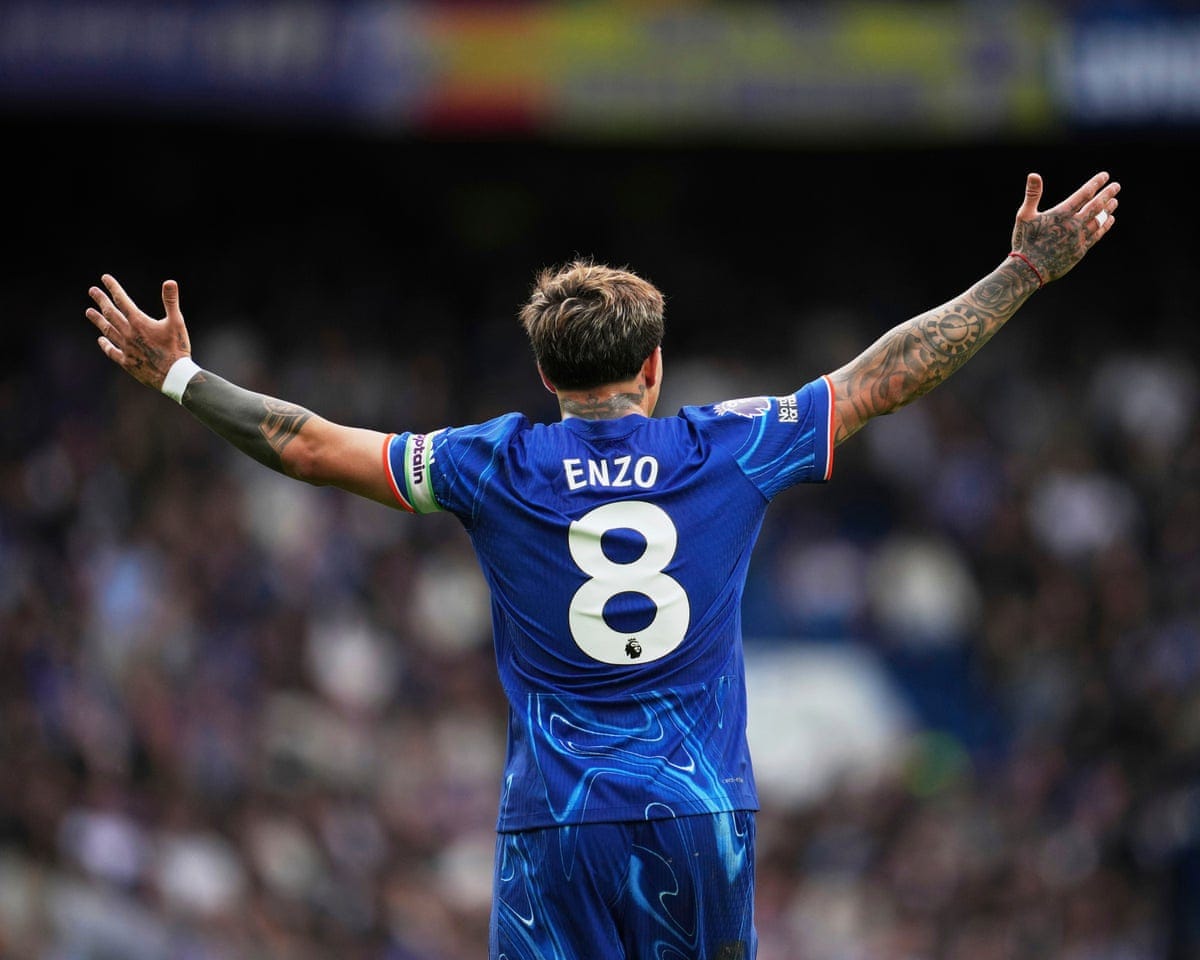
For Chelsea and Enzo Fernandez, I think £120 million is that point.
Let me be clear, Enzo is a very good footballer.
He was one of the few players who emerged from Chelsea’s miserable tenth placed season with his reputation enhanced. He then carried that form into the World Cup and reminded everyone why Chelsea were prepared to spend more than £100 million on him in the first place.
The numbers support the argument for keeping him.
Enzo created 68 chances in the Premier League last season, third highest in the competition, and produced 51 passes which broke the opposition defensive line. He also developed an extremely useful habit of arriving in the penalty area and finished with 10 league goals.
Manchester City’s interest therefore makes perfect sense.
But £120 million?
I’d sell him.
Immediately.
Chelsea’s dilemma with Enzo has always been that he does lots of things very well without convincing me there is one particular role in which he is genuinely world class.
Play him deep and you benefit from his passing range, vision and ability to progress possession, but his defensive limitations become more obvious.
Push him higher and he can create chances and arrive in the box, but I don’t see an elite attacking midfielder.
Use him box to box and his energy becomes valuable, although you are still left wondering whether that is really a £120 million footballer.
I seen a Chelsea supporter this week describing him as a “Jack of all Trades but master of none”.
It is harsh.
It is also difficult to dismiss completely.
Chelsea have another reason to consider taking the money. Their squad has changed.
Morgan Rogers has arrived and offers attacking qualities from the left, while Cole Palmer remains the obvious creative reference point. Chelsea therefore do not necessarily need to find another footballer capable of reproducing every element of Enzo’s game. They can redistribute those responsibilities across a better balanced midfield.
That might actually make them stronger.
The complication is Xabi Alonso.
If I supported Chelsea, I would be fascinated to see what Alonso could do with Enzo. Few coaches could be better equipped to refine the game of a midfielder whose greatest qualities revolve around seeing passes, controlling possession and understanding space.
Give those two a year together and perhaps we’re having a very different conversation next summer.
But football does not operate in laboratory conditions.
If Manchester City are prepared to meet Chelsea’s £120 million valuation now, you have to make the decision now.
There is also the question of whether Enzo actually wants to be there.
Chelsea have already endured controversy surrounding him, and there have been suggestions of interest in moving elsewhere. A new manager inheriting a team that finished tenth has enough problems without spending months wondering whether one of his biggest players is fully committed.
If Enzo wants Chelsea, keep him unless somebody pays an extraordinary price.
If he wants out, £120 million represents an extraordinary price.
That money gives Chelsea options.
They have already looked at Alex Scott, whose mobility and relentless availability could offer Alonso a different midfield profile, although Bournemouth have rejected a £64 million bid.
Chelsea could pursue one midfielder, strengthen another position and still potentially emerge with money left from the Enzo deal.
There is obviously another side to this.
Selling one of your best players to Manchester City carries risk. Pep Guardiola may have gone, but strengthening a domestic rival with a footballer entering his prime is hardly ideal.
Yet clubs get themselves into trouble when fear of what a player might become elsewhere prevents them recognising an exceptional piece of business.
Enzo Fernandez is good enough that Chelsea should have absolutely no desire to give him away.
I’m simply not convinced he is so irreplaceable that they should reject £120 million.
At £80 million, I keep him.
At £120 million, I thank Manchester City very much and ask where they would like him delivered.
Alexis Mac Allister, Liverpool Have Already Told Us What They Think
Sometimes a football club tells you everything without saying anything at all.
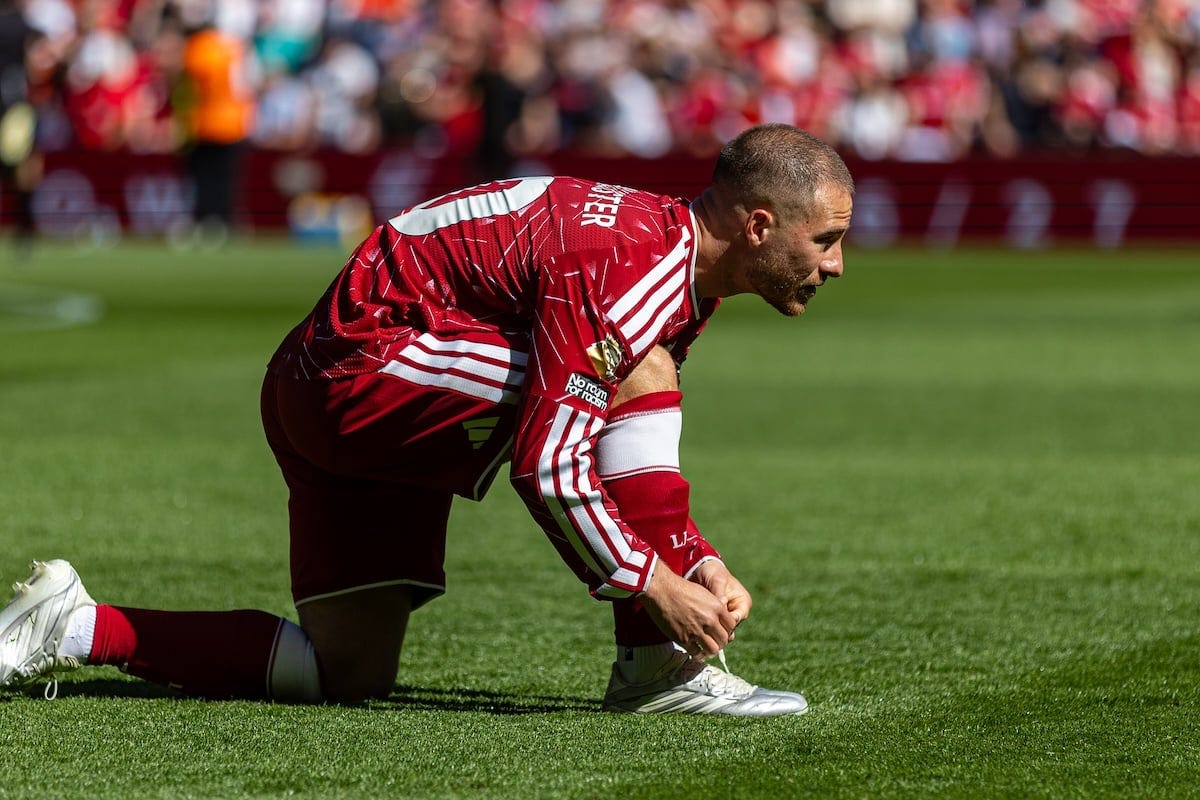
I wrote last week that Liverpool should be prepared to make a ruthless decision on Alexis Mac Allister. Nothing I have seen since has persuaded me otherwise. In fact, the more I look at the situation, the more convinced I become that Liverpool have quietly reached much the same conclusion.
There is an elephant in the room.
Mac Allister arrived at Liverpool in the summer of 2023. So did Dominik Szoboszlai. So did Ryan Gravenberch.
Three midfielders, three major components of a complete rebuild.
Fast forward three years and Szoboszlai has a shiny new contract. Gravenberch has a shiny new contract. Mac Allister has two years remaining on his existing deal and there isn’t even a murmur of negotiations over another one. Liverpool deliberately prioritised extensions for the other two.
That tells me plenty.
Liverpool can say they have no intention of selling him. Andoni Iraola can praise him publicly and say he wants to keep his best players. Until somebody actually puts serious money on the table, what else would you expect them to say?
My reading is different.
At the right price, Alexis Mac Allister is absolutely for sale.
That should not be interpreted as criticism of everything he has achieved at Liverpool. He has been a wonderful footballer for the club. During the 2024/25 title season, there is a perfectly legitimate argument that Mac Allister was Liverpool’s best and most important midfielder.
I thought he was magnificent.
I also thought he was miles below those standards last season.
There were explanations for that. Liverpool’s press was dreadful and regularly left the midfield trying to defend enormous spaces. Mac Allister actually covered more distance and more high intensity distance than he had during the title winning season, so some of what we saw was a consequence of a dysfunctional system rather than simply a player physically deteriorating.
Context matters.
It doesn’t make the question disappear.
I have also seen plenty of praise for Mac Allister’s World Cup. I don’t share it.
I thought he was average.
Argentina reaching another final naturally amplified perceptions of individual performances, particularly within a team illuminated by Lionel Messi’s brilliance. Mac Allister worked extremely hard. The data tells us that. He covered 90.6km during the tournament, with only Rodri covering more.
Impressive numbers.
They don’t describe what I watched.
I didn’t see the Mac Allister who controlled matches during Liverpool’s title season. I didn’t see a tournament that made me sit back and reconsider everything I had thought during the previous nine months.
And now Iraola presents another problem.
Liverpool are changing.
The central midfielders in Iraola’s system have to press high, attack the opposition build up and then make repeated recovery runs when that press is beaten. It is an exhausting job requiring athleticism as well as intelligence.
Mac Allister averaged 852 metres of high intensity running per 60 minutes of ball in play last season, ranking 63rd among 90 Premier League midfielders. Iraola’s Bournemouth midfielders operated at considerably higher levels, Tyler Adams at 1,041m, Alex Scott at 1,147m and Marcus Tavernier at 1,250m.
That doesn’t mean Mac Allister cannot play for Iraola.
It does make me question whether you build Iraola’s Liverpool around him.
And this is where sentiment has to leave the room.
Mac Allister turns 28 in December. He has two years remaining on his contract. His value will decrease with every transfer window that passes. Liverpool have already renewed two midfielders from his recruitment class and shown no indication that Mac Allister will receive the same treatment.
What exactly are we waiting for?
I’m not advocating chucking him out for £40 million. I’m not suggesting Liverpool should weaken themselves late in a transfer window simply to bank some money. Curtis Jones could also depart and losing two experienced midfielders without suitable replacements would be reckless. Liverpool’s current reluctance to sanction another midfield departure is perfectly understandable.
But a serious offer changes everything.
If Atletico Madrid, or anybody else, arrives with the kind of money that allows Liverpool to reshape the midfield for Iraola, I take the conversation very seriously.
Liverpool should be looking for the next great version of their midfield while Mac Allister still possesses enormous market value, rather than waiting until the decision becomes obvious to everybody.
Great teams evolve before decline forces their hand.
Liverpool have already given Szoboszlai their backing.
They have already given Gravenberch theirs.
Mac Allister is still waiting.
I don’t think that is an accident.
Sometimes football clubs tell you what they are thinking without saying a word.
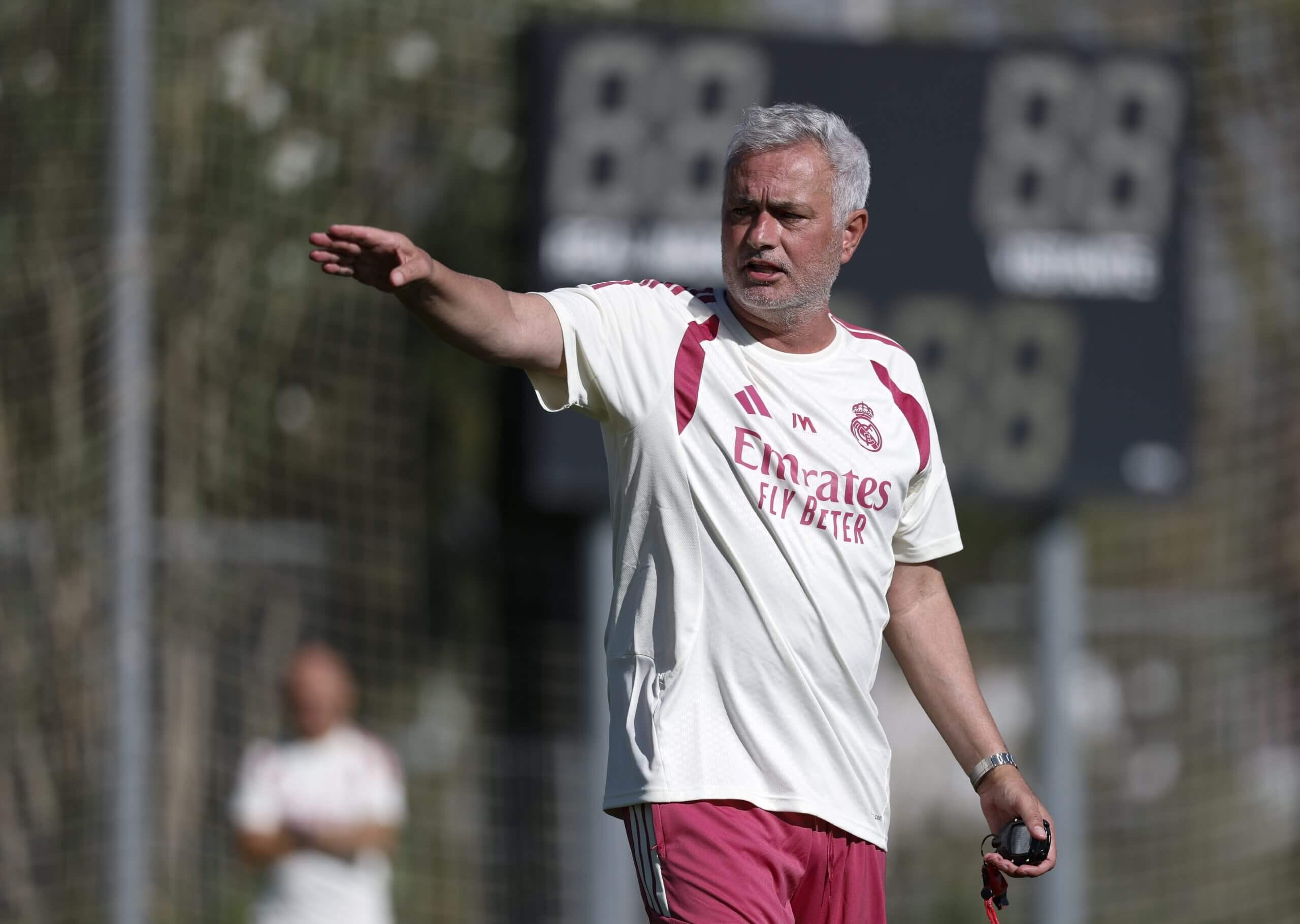
La Liga Is Back, and It Feels Like Box Office Again
There was a period when La Liga felt like the centre of football’s universe.
Lionel Messi and Cristiano Ronaldo were producing numbers that belonged on computer games. Pep Guardiola and Jose Mourinho turned El Clasico into something approaching ideological warfare. Barcelona had Xavi, Iniesta and Busquets. Real Madrid had Ronaldo, Benzema, Modric and Kroos.
Even the supporting cast was ridiculous.
Then the lights dimmed.
The stars departed, Barcelona’s finances became a recurring soap opera and the Premier League’s spending power increasingly swallowed the transfer market. Spain continued producing wonderful footballers and Real Madrid continued collecting European Cups, but La Liga itself lost some of its old magnetism.
I think we’re about to get some of it back.
The new season begins this weekend and there are storylines everywhere.
Start with Barcelona.
Hansi Flick’s side are attempting to win a third consecutive league title, something only Guardiola’s great Barcelona team have achieved in La Liga this century. There is a delicious historical symmetry here because the man who eventually stopped Guardiola completing four in succession is now back in Madrid.
Jose Mourinho.
Back at Real Madrid.
Football really does love recycling its greatest arguments.
Mourinho is 63 now and thirteen years have passed since his first spell ended. Apparently he has returned a calmer figure. There has been no grand presentation, little noise and none of the public warfare that characterised his first reign.
We’ll see how long that lasts.
Personally, I hope not very long.
Mourinho without conflict is like darts without beer. Technically possible, perhaps even healthier, but you suspect something important has gone missing.
More importantly, he has inherited a serious squad.
Madrid have spent €240 million this summer on Yan Diomande, Marc Cucurella, Bernardo Silva, Denzel Dumfries, Ibrahima Konate and Carlos Espi. Vinicius Junior has signed his new contract, despite Arsenal apparently spending half the summer convincing themselves he was heading to north London, while Kylian Mbappe and Jude Bellingham remain among the headline acts.
That is an extraordinary amount of talent.
Barcelona have their own superstar.
Lamine Yamal is still only 19.
That sentence becomes more absurd every time you write it.
He returns as a World Cup winner, alongside seven Barcelona team mates who were part of Spain’s victorious squad. Pedri and Pau Cubarsi were there too, and Rodri could yet join them if Barcelona complete the move from Manchester City that I wrote about last week.
There are questions around Flick’s attack following Robert Lewandowski’s departure and Ferran Torres moving towards PSG. Anthony Gordon has arrived for €80 million, Karim Adeyemi for €22 million, and opportunities will exist for somebody to become Barcelona’s next major goalscorer.
Then there is Atletico Madrid.
They have invested more than €100 million in Morten Hjulmand, Lee Kang-in and Alejandro Grimaldo, with Cristian Romero also expected to arrive. Yet everything hangs over Julian Alvarez, whom Barcelona want and Atletico understandably have little desire to sell.
That alone gives us three clubs worth following closely.
Look further down and the league becomes even more interesting.
Athletic Club have Edin Terzic attempting to harness that extraordinary Basque identity. Real Sociedad are defending Copa del Rey winners. Villarreal finished third last season. Celta Vigo have built something intriguing around homegrown talent.
Then come three names that make anyone of a certain footballing vintage smile.
Racing Santander.
Deportivo La Coruna.
Malaga.
All three are back in La Liga after long absences. Deportivo have even signed Pierre Emerick Aubameyang at 37, while Sergio Canales has returned to his hometown club Racing sixteen years after leaving for Real Madrid.
I love that stuff.
Football spends so much time discussing valuations, PSR, contracts, ownership models and commercial revenue that occasionally it is worth remembering why we became obsessed with the sport in the first place.
Characters. Clubs. Rivalries. Great players. Great stadiums. Stories.
La Liga suddenly has plenty of them again.
Barcelona are trying to make history. Madrid have rebuilt and brought Mourinho back to stop them. Atletico are spending. Yamal is becoming the face of a generation. Historic clubs are returning from the wilderness.
Spanish football feels interesting again.
And somewhere in Madrid sits a supposedly calmer, wiser Jose Mourinho.
Give it three weeks.
Bring The Noise
Perhaps that is the thing about an empty evening. You appreciate one because you remember what relentless noise feels like. Give me two weeks of them and I’m soon searching for the remote.
The break has probably done me some good. I’ve watched some television, worked on getting EPL Index ready for its next chapter and enjoyed watching the Anfield Index team somehow manufacture compelling Liverpool discussion during a transfer window in which Liverpool appear determined to provide them with absolutely nothing.
Now I’m ready for football again.
La Liga will provide the appetiser this weekend, Mourinho alone should guarantee some entertainment, and then the Premier League machine will start turning again.
Soon enough I’ll probably be complaining that there are too many matches, too many transfer stories and nowhere near enough hours in the day.
For now, though, bring back the noise.