

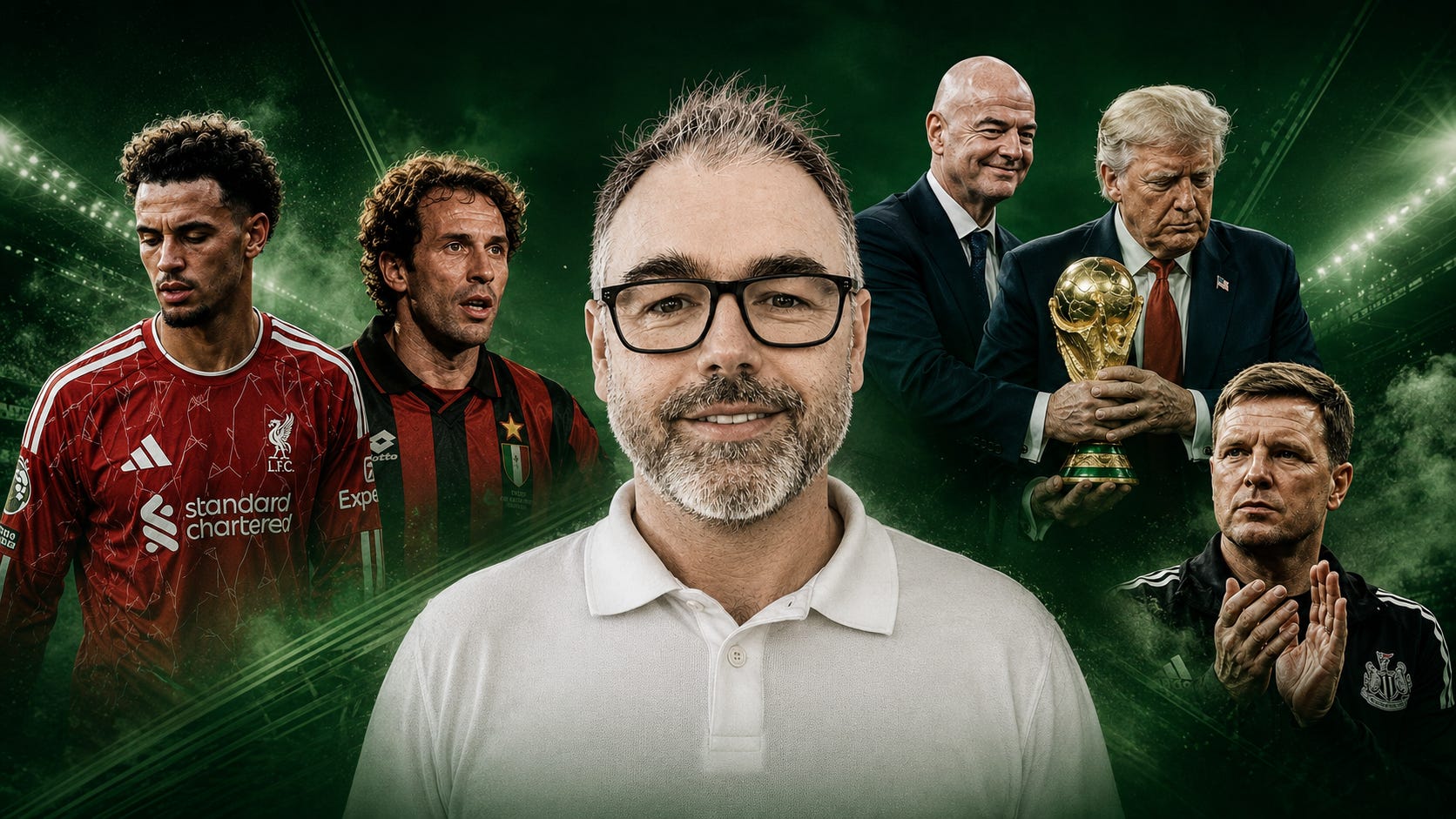
Football Needs More Baresis and Fewer Infantinos
There are weeks when football feels wonderfully uncomplicated. A brilliant goal, a memorable victory or a young player announcing himself to the world can remind us exactly why we fell in love with the game in the first place. Then there are weeks like this one, when the headlines force us to look beyond the results and ask far bigger questions about the sport itself.
Over the past few days we have said farewell to one of football’s greatest ever servants, watched one of the Premier League’s finest modern managers leave behind a club he fundamentally changed, debated whether one of Liverpool’s own academy graduates has reached the end of his journey at Anfield and witnessed fresh concerns about the direction of the game’s governing body.
On the surface, those stories have nothing in common.
To me, they are all chapters of the same conversation.
Every one of them revolves around leadership, responsibility and the values that underpin football. Who protects the game? Who serves something greater than themselves? Who understands that success is measured by more than trophies, transfer fees or television contracts?
Those questions have never felt more important.
Football has always evolved and it always will, but progress should never come at the expense of the qualities that made the sport worth caring about in the first place. This week reminded me that football remains capable of producing remarkable people and unforgettable moments. It also reminded me how quickly those same values can be eroded when ambition, ego and commercial interests begin to occupy centre stage.
That is why these four stories matter. They are not really about Franco Baresi, Eddie Howe, Curtis Jones or Gianni Infantino.
They are about the game itself.
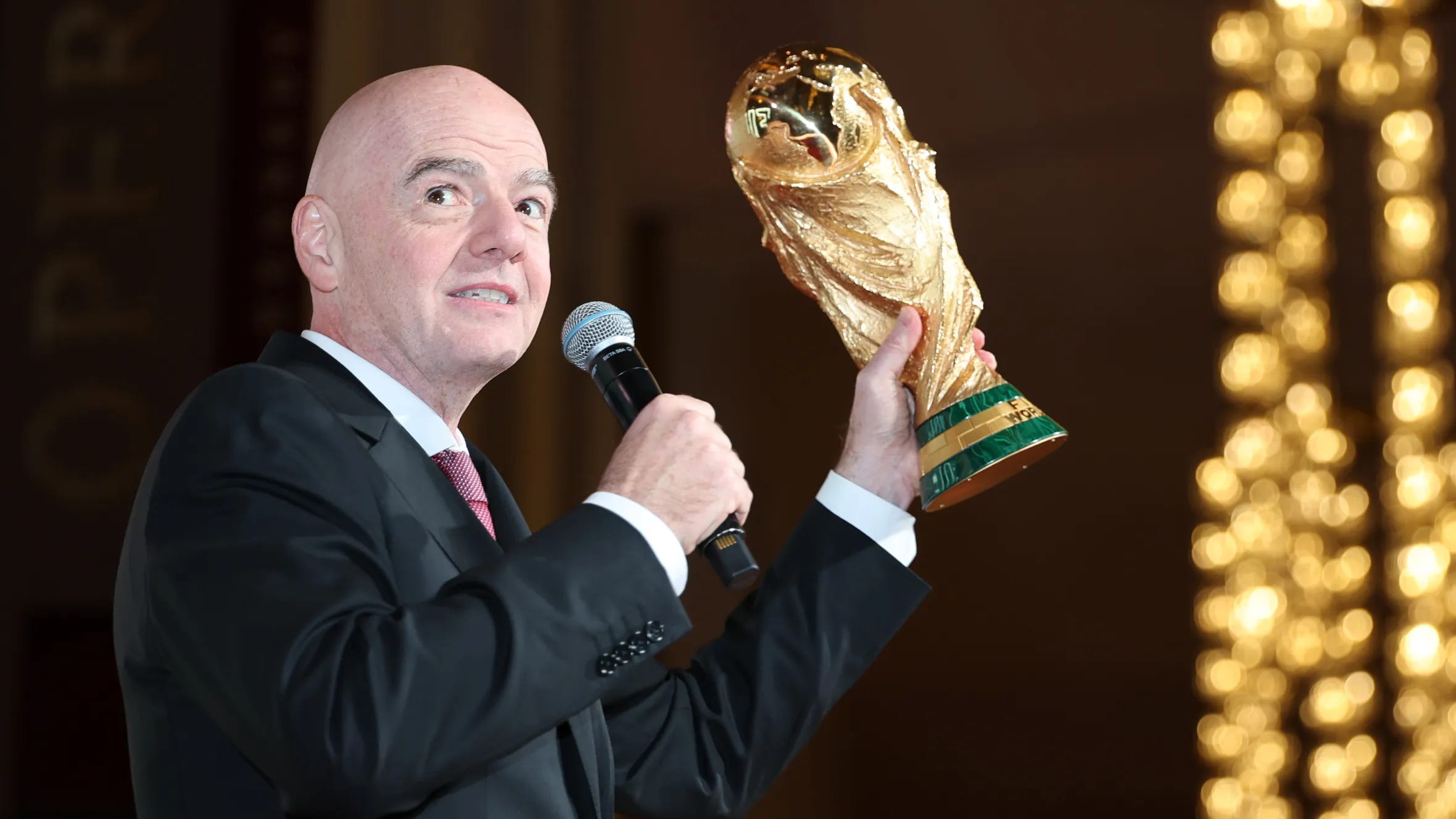
Football Cannot Keep Rewarding Power
For years I have tried to give FIFA the benefit of the doubt.
Football is a global game, and governing it was never going to be simple. Balancing the interests of Europe against South America, Africa against Asia, elite clubs against developing nations, has always required compromise. Not every decision would please everybody. That is simply the nature of leadership.
There comes a point, however, when compromise becomes capitulation.
I believe we reached that point some time ago.
My issue with Gianni Infantino has never been about personality. It is about priorities. Every significant decision during his presidency seems to have been driven by one overriding objective, make football bigger, wealthier and more commercially valuable. Those ambitions sound harmless enough until you begin asking who actually benefits.
Players certainly do not.
Supporters rarely do.
The game’s traditions almost never do.
Instead, football finds itself trapped in a relentless pursuit of expansion, as though every competition must become larger, every calendar must become busier and every tournament must somehow generate another revenue stream.
The latest proposal surrounding the future commercial rights of the World Cup should concern every supporter, regardless of which club or country they follow.
This was never simply another business discussion.
It represented another step towards treating football’s greatest competition as a financial product rather than a sporting institution.
The World Cup has always been football’s crown jewel. It belongs to generations of supporters who have built lifelong memories around it. It belongs to children dreaming of pulling on their country’s shirt. It belongs to communities who still measure time by Italia ‘90, France ‘98 or Qatar 2022. It should never become another asset whose future is shaped primarily by investors looking for returns.
Perhaps the most telling aspect of the past week has been the resistance.
European football objected.
Asian football objected.
North American football objected.
Senior figures walked away.
That matters.
Football has always been a fractured sport, full of competing interests and political manoeuvring. It is remarkably rare to see so many powerful organisations pulling in the same direction. When that happens, sensible people should stop and ask why.
To me, the answer is obvious.
Trust is beginning to disappear.
For too long, each new initiative has been presented as progress. Expand the World Cup. Expand the Club World Cup. Add more fixtures. Create more tournaments. Generate more commercial opportunities. Every proposal is marketed as another leap forward for football, yet very few seem designed to improve the actual experience of playing, watching or supporting the game.
Growth has become an obsession.
Football has become the vehicle.
There is a dangerous assumption that bigger automatically means better.
History tells us otherwise.
The greatest World Cups were not remembered because they generated record revenues. They are remembered because of Maradona weaving through England, Zidane dominating Brazil, Iniesta settling a nation’s nerves or Messi finally lifting the trophy that completed his story.
Nobody remembers the balance sheet.
Everybody remembers the football.
That is why I find Infantino’s vision increasingly detached from what supporters actually cherish. Football has never needed to become the world’s biggest entertainment product. It already was. Its power has always come from emotion rather than economics, from belonging rather than branding.
Once governing bodies begin treating heritage as something that can be monetised, they risk destroying the very thing that created the value in the first place.
Leadership should not be measured by how much money enters the game.
It should be measured by how well the game is protected for those who inherit it next.
Right now, I fear football is being managed by people who understand finance far better than they understand football.
That worries me far more than any television deal or sponsorship agreement ever could.
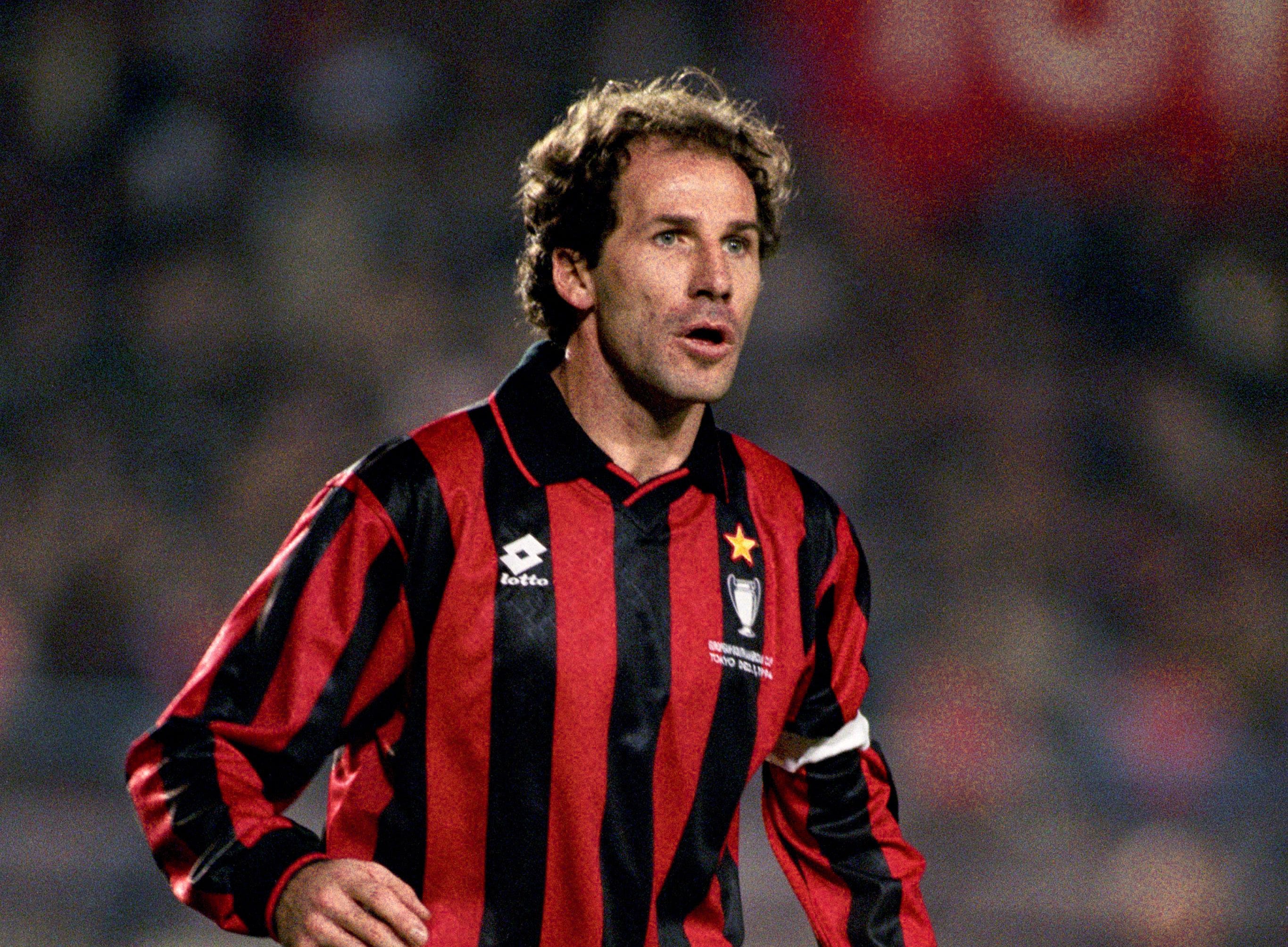
Franco Baresi Was Football’s Last Great Libero
There are footballers whose greatness can be measured in medals, appearances and statistics.
Then there are those who leave something far more valuable behind.
Franco Baresi belonged to the second group.
His six Serie A titles, three European Cups, more than 700 appearances for AC Milan and a World Cup winner’s medal will forever occupy their rightful place in football history. They tell us he was successful. They tell us he was consistent. They tell us he was one of the finest defenders ever to play the game.
They do not begin to explain why his passing feels so profound.
I first remember watching Baresi as a young boy in the late 1980s and early 1990s, around the time Italian football became a weekly event for British supporters. Serie A was the glamour league, AC Milan were arguably the finest club side on the planet and every weekend brought another opportunity to watch a footballer who seemed to operate on an entirely different level from everyone around him.
He never looked like the prototype centre half.
He was not the tallest.
He was not the fastest.
He was certainly not the most physically intimidating.
Instead, he possessed something infinitely rarer.
He saw football before everyone else did.
Watching Baresi was like watching somebody play chess while everybody else was still learning draughts. Every interception arrived seconds before danger had fully developed. Every tackle was perfectly judged because he had already worked out where the attack was heading long before the striker himself. There was no desperation to his defending. No theatrical lunges. No recovery challenges celebrated like goals.
He simply prevented situations from ever becoming emergencies.
That is a talent statistics can never properly capture.
Modern football celebrates defenders who recover brilliantly after mistakes have been made. Baresi celebrated something altogether different.
He removed the mistake before it existed.
People often describe him as one of the greatest defenders in history.
I have always thought that sells him slightly short.
He was one of the greatest footballers in history.
The position happened to be defence.
What made Baresi extraordinary was that his influence extended far beyond stopping goals. Every attack seemed to begin with him. He stepped confidently into midfield, dictated the rhythm of possession and distributed the ball with the composure of an accomplished playmaker. He embodied the libero, not merely as a tactical role, but as an art form. Football has produced many outstanding centre backs since his retirement. It has never truly replaced the player Baresi represented.
Perhaps that is why his career resonates even more today.
He belonged to one club.
Rejected as a youngster elsewhere, he devoted two decades to AC Milan, remaining loyal through triumph, disappointment and even relegation. His famous number six became inseparable from the club itself because he had become inseparable from its identity. In an era where players often become brands before they become legends, Baresi became something wonderfully old fashioned.
He became synonymous with belonging.
There was another quality that always struck me.
Humility.
For all his brilliance, Baresi never appeared interested in becoming the centre of attention. Leadership came naturally because it was earned rather than demanded. Team mates followed him because they trusted him completely. Opponents respected him because excellence has a habit of transcending rivalry. Few players have been admired so universally across football.
His career contained heartbreak too.
The image of him returning heroically from serious knee surgery to captain Italy in the 1994 World Cup Final remains one of football’s greatest acts of determination. That he then missed in the decisive penalty shootout somehow made him even more human. Nobody remembered the miss for very long because everybody remembered everything else he had given to the game.
Football feels a little poorer today.
Not because there will never be another outstanding defender.
There will.
But there will never be another Franco Baresi.
Football has always produced players capable of stopping greatness.
Franco Baresi was one of the precious few who embodied it.
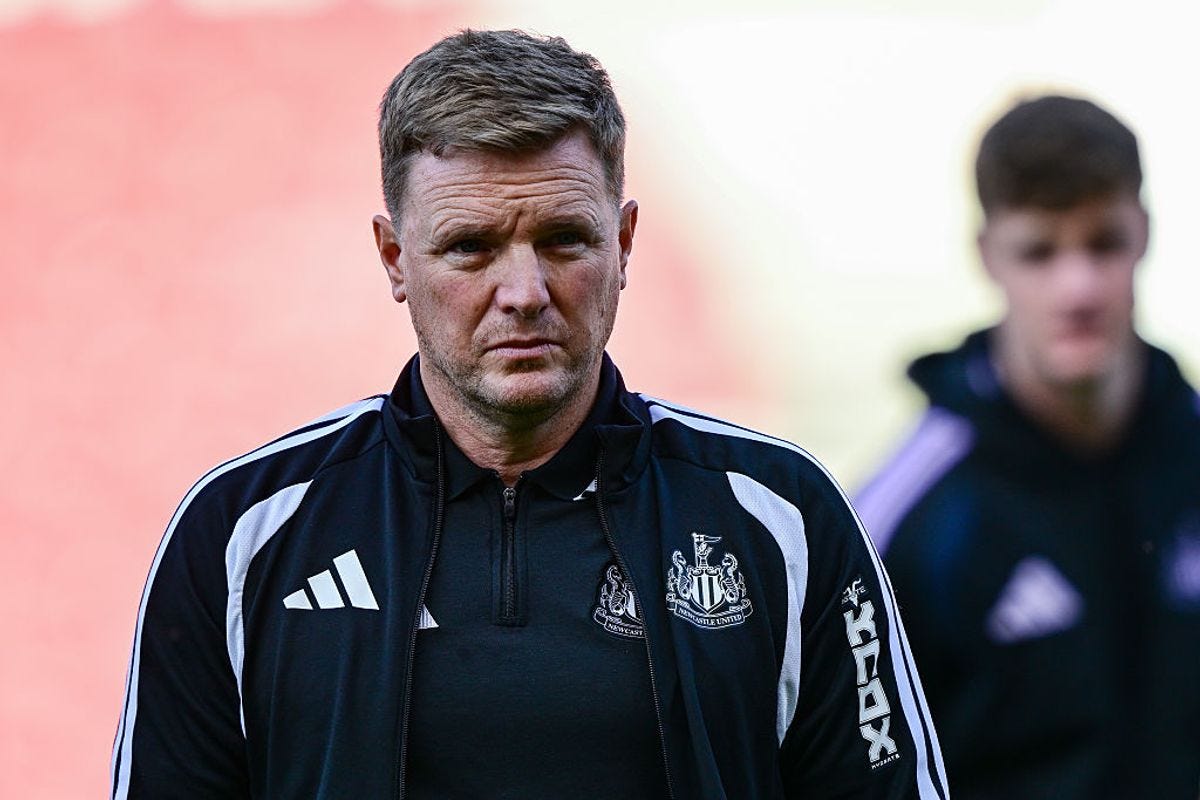
Newcastle Have Been Here Before, That Is Why It Hurts
There are football clubs that expect success because history tells them it is inevitable.
Newcastle United have always been different.
Their supporters have spent generations believing that tomorrow might finally become the day everything changes. They have filled St James’ Park through relegations, false dawns and ownerships that tested every ounce of their patience. Hope has never been optional on Tyneside. It has been essential.
That is why Eddie Howe’s departure feels so significant.
Managers leave football clubs every season. Some are sacked, some move on and some simply reach the natural conclusion of their work. Howe’s exit carries a different emotion because, for a while, he made Newcastle supporters believe that the cycle had finally been broken.
When he arrived in 2021, Newcastle were drifting towards relegation. Confidence had evaporated, ambition had become a distant memory and the club resembled a sleeping giant that had forgotten how to wake itself.
Within months everything had changed.
Survival became the first victory.
Champions League qualification followed.
Then came Wembley.
For supporters who had waited seventy years to celebrate a major domestic trophy, that afternoon was about far more than lifting silverware. It was about release. Generations of frustration disappeared in a single afternoon because Eddie Howe had delivered something many supporters had begun to fear they would never witness.
He will forever be remembered for that.
Sadly, football has a habit of asking what comes next before anybody has properly celebrated what has just happened.
Momentum stalled.
Recruitment became increasingly uncertain.
Key players departed.
Targets were missed.
Questions replaced optimism.
None of those problems belonged exclusively to Howe, but managers inevitably become the public face of everything that goes wrong. That is one of football’s oldest and cruellest traditions.
Reading between the lines over recent months, it became increasingly obvious that something had shifted.
Howe looked like a man carrying the weight of an entire football club.
He had spoken previously about how management consumes every part of your life, about the stress, the endless demands and the difficulty of ever truly switching off. It was impossible not to wonder whether Newcastle had gradually become too heavy a burden for even somebody as meticulous and committed as he is.
Sometimes the most successful managers do not fail.
They simply run out of themselves.
That is how this feels.
There is an understandable temptation to focus immediately on Matthias Jaissle. He arrives with an exciting reputation, a modern tactical identity and teams that play with intensity, aggression and courage. Newcastle may well have appointed an outstanding young coach. His philosophy shares enough similarities with Howe’s pressing game that supporters should at least recognise some familiar principles from day one.
The problem is that appointments alone do not guarantee progress.
Supporters have heard promises before.
They have seen ambitious projects before.
They have watched fresh starts dissolve into uncertainty before.
That is why I feel genuine sympathy for Newcastle supporters today.
For a brief period, it genuinely looked as though the club had escaped its own history. Stability had replaced chaos. Leadership had replaced confusion. The future appeared carefully planned rather than permanently improvised.
Now uncertainty has returned.
Perhaps Jaissle will prove to be inspired.
Perhaps Newcastle will emerge stronger.
I hope they do.
English football is better when Newcastle United matter.
But there is an undeniable sadness that the optimism created by Eddie Howe has once again given way to familiar questions about direction, recruitment and identity.
For all the wealth now surrounding the football club, supporters are once again being asked to believe that the next chapter will be different.
They have heard that story before.
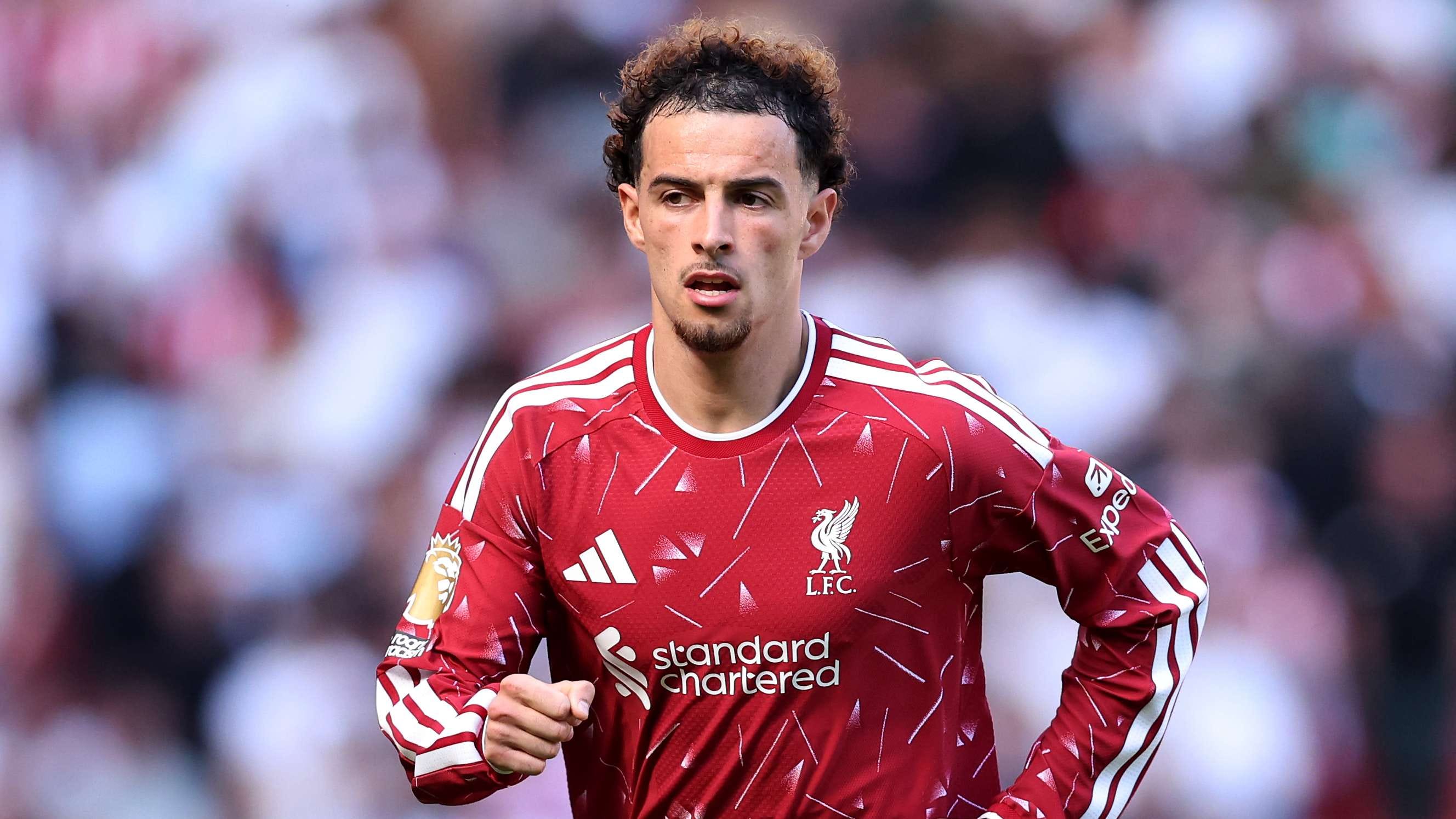
Curtis Jones Deserves Honesty More Than Excuses
Few things divide a football fanbase quite like one of its own.
When a homegrown player succeeds, there is a natural sense of pride. We have watched them grow from academy prospect to first team footballer, celebrated every milestone and convinced ourselves that they somehow represent the club more authentically than somebody signed for £80 million from elsewhere.
Curtis Jones has enjoyed that connection for years.
He has earned it.
Born in Liverpool, developed at Kirkby and responsible for some genuinely memorable moments in a red shirt, Jones has lived the dream every young Liverpool supporter imagines. His winner against Everton, his role in title winning squads and his willingness to take responsibility in difficult moments have ensured he will always have a place in the club’s recent history.
That should never be forgotten.
Neither should it prevent honest discussion about where things stand today.
Football can be a ruthless business because it constantly asks difficult questions.
Has a player improved?
Does he still fit the manager’s vision?
Would the club become stronger by keeping him or by selling him?
Those questions are uncomfortable, particularly when they concern local players, but avoiding them serves nobody.
The scenes following Liverpool’s pre season victory over Wrexham inevitably became the talking point rather than the football itself. Jones’ visible frustration, his confrontation with Dominik Szoboszlai and the subsequent debate across social media created exactly the sort of distraction Liverpool generally work so hard to avoid.
Nobody outside the dressing room knows precisely what was said.
Nor should we pretend to.
Football is an emotional profession. Tempers flare. Team mates argue. Elite athletes demand standards from one another that most of us can barely imagine.
One disagreement should never define a footballer.
What it can do, however, is reinforce a wider conversation that has existed for some time.
Curtis Jones finds himself at a crossroads.
At 25 years old he is no longer the exciting youngster waiting patiently for opportunities. He is entering what should be the very best years of his career, years in which potential has to become consistent influence. Liverpool, meanwhile, are evolving once again under Andoni Iraola. The demands are changing, competition for places is increasing and sentiment rarely survives when elite clubs begin planning for the future.
That is why this summer feels so important.
If Jones remains, he needs to become an undisputed starter rather than a useful squad option.
If Liverpool believe that will not happen, then perhaps the fairest outcome for everyone is to allow him the opportunity to become the leading midfielder elsewhere that many have long believed he could be.
There should be no bitterness if that day comes.
Not every academy graduate becomes Steven Gerrard.
That does not make them failures.
It simply reflects the extraordinary standards required to remain at one of the biggest football clubs in the world.
Supporters often speak about loyalty.
Real loyalty sometimes means recognising when change benefits everyone involved.
Whatever happens next, Curtis Jones deserves to be judged on his contribution over the past decade rather than one emotional moment after a friendly in North America. Equally, Liverpool must make the decision that best serves the team rather than the story.
Football has room for sentiment.
Successful football clubs rarely allow it to shape their future.
Football Will Always Belong to the People
Football will continue to change. Money will become more influential, transfer fees will climb even higher and governing bodies will continue searching for new ways to commercialise the sport. None of that is likely to stop.
What must never change are the values that made football matter in the first place.
Integrity. Loyalty. Leadership. Community.
Those qualities cannot be bought, licensed or sold.
This week reminded me that football still produces people who embody those ideals. Franco Baresi devoted his life to one club. Eddie Howe gave everything to another. Curtis Jones now faces difficult questions about his own future. Meanwhile, those entrusted with protecting the game continue to face scrutiny over the direction they are taking it.
Perhaps that is football’s eternal tension. The game constantly moves forward, yet its greatest moments are almost always rooted in timeless values.
As supporters, we should never stop celebrating the people who leave football better than they found it, nor stop questioning those who risk taking it in the opposite direction.
Because when the final whistle eventually blows, trophies fade, transfer fees are forgotten and balance sheets become irrelevant.
Character never does.