

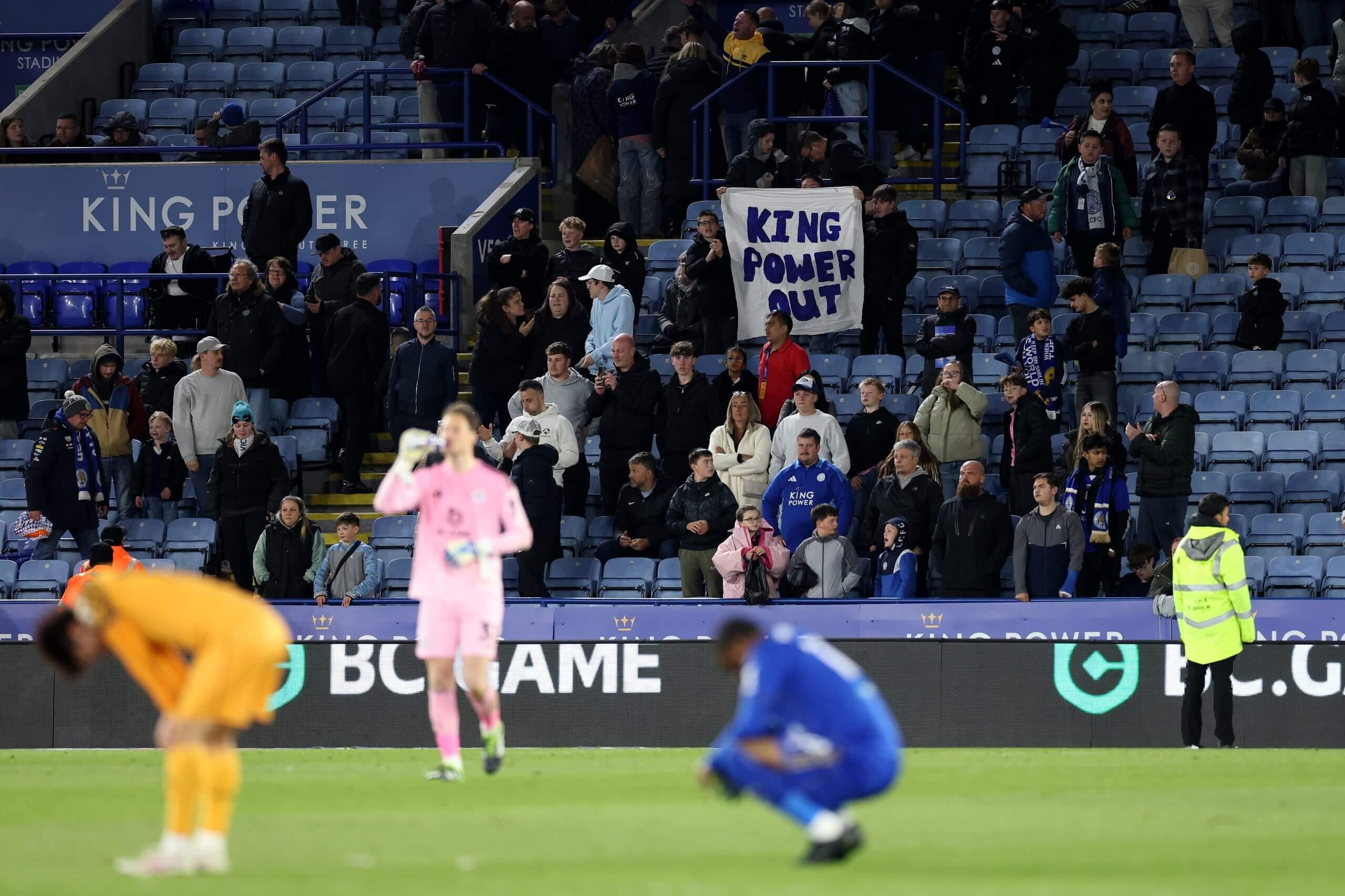
There is a temptation to frame this as a sudden fall, a dramatic plunge from miracle to misery. That is too neat, too forgiving. What has happened to Leicester City has been building for years, layer upon layer of poor judgement, until gravity took hold and refused to let go.
Relegation to the third tier is not bad luck. It is the natural conclusion of a club that stopped making sense.
Ten years ago, Leicester rewrote the rules of English football under Claudio Ranieri. They did not just win the league, they embarrassed it. They exposed the soft underbelly of wealth and expectation. It was raw, defiant, and honest.
Today, none of that spirit remains. What stands in its place is confusion, drift, and a growing sense that nobody is truly in charge.
This is not about one bad season. It is about a club that lost its grip on reality.
Identity Lost Between Dugouts
Seven managers in three years tells its own story. Not experimentation, not evolution, but panic.
Each appointment pulled the squad in a different direction. Styles shifted, demands changed, and clarity disappeared. One week it was possession-heavy control, the next it was reactive survival. Players stopped believing because there was nothing consistent to believe in.
Even promotion failed to stabilise things. It papered over cracks that were already widening. When the team returned to the Premier League, the same issues resurfaced, only sharper, only louder.
By the time they dropped back into the Championship, the squad was carrying too much baggage, tactical and psychological. Confidence drained quickly. Results followed.
And when the slide began this season, there was no core identity to fall back on. No shared idea. Just individuals waiting for something to change.
It never did.
Financial Gamble Comes Due
The romantic version of Leicester’s rise often ignores the financial edge they walked. Success brought ambition, ambition brought spending, and spending drifted into excess.
For a time, it felt justified. European football, an FA Cup win, regular top-eight finishes. The club behaved like it belonged among the elite.
The numbers told a different story.
Wages climbed beyond sustainable levels. Losses stacked up. Future income was brought forward to support the present. That is always a dangerous game, especially for a club without the commercial safety net of the established giants.
When results dipped, the structure collapsed.
Points deductions were not the cause of relegation. They were a symptom. Even without them, Leicester were heading in the same direction.
Now the consequences are severe. Lower revenue, high wages, and limited flexibility. Contracts signed in optimism now look like anchors. Moving players on will not be easy. Rebuilding will not be quick.
This is the harsh end of financial overreach.
Fractured Bond with Supporters
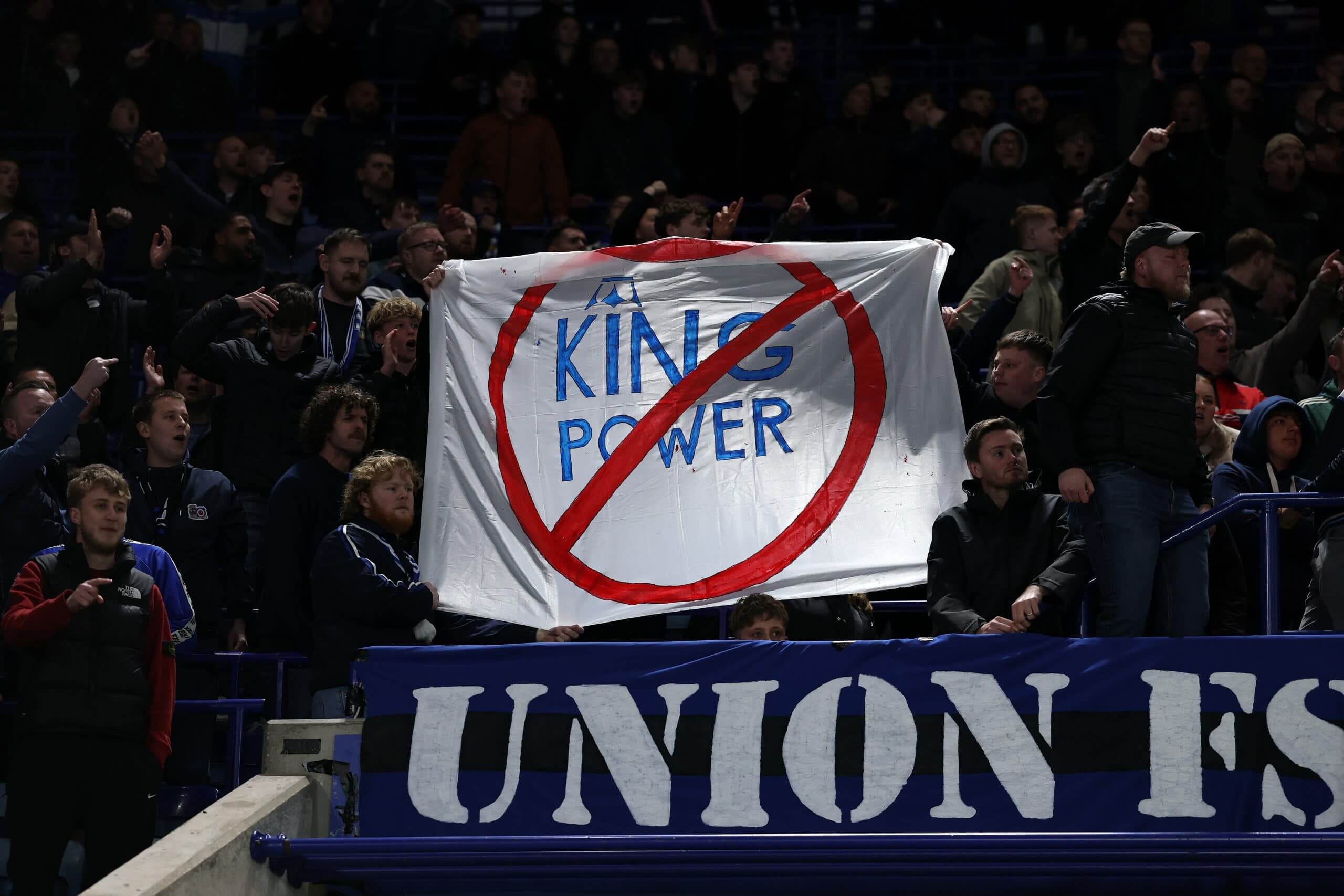
The most telling image of Leicester’s decline is not a league table. It is the sound inside the stadium.
Boos before kick-off. Anger at substitutions. Silence after goals conceded. This is a relationship broken.
Supporters can accept failure. What they struggle to accept is apathy. The sense that players are detached, that leadership is distant, that accountability is missing.
That tension has been growing for some time. It did not start this season, and it will not disappear with relegation.
There was a period when Leicester felt united. Players, fans, ownership, all aligned behind a shared belief. That unity drove them beyond their limits.
Now, mistrust fills the gap.
Some supporters still cling to the memories. Others look at the present and see only mismanagement. Both are right, in their own way.
The past cannot shield the club forever.
Ownership, Legacy, and Unanswered Questions
The death of Vichai Srivaddhanaprabha changed everything. That much is clear. Stability gave way to uncertainty, even if the intention remained positive.
His successor inherited not just a football club, but a symbol. Expectations shifted overnight. Decisions carried more weight. Mistakes became harder to absorb.
There is sympathy in that situation. There is also responsibility.
Too much influence appears concentrated in too few hands. Decision-making has lacked clarity. Key roles have remained untouched despite repeated failures.
That creates stagnation. It breeds frustration.
Leadership in football demands more than loyalty. It demands adaptation, honesty, and, at times, ruthless change. Leicester have hesitated where they needed to act.
Now they face the cost of that hesitation.
League One Reality Check
There is a dangerous assumption that Leicester will bounce back. History suggests otherwise.
League One is not a holding pattern. It is a grind. Physical, relentless, unforgiving. Reputation means nothing there. Budgets help, but only if they are structured properly.
Right now, Leicester are not built for that environment.
Their squad is expensive, unbalanced, and short on resilience. Their tactical approach has been inconsistent. Their confidence is fragile.
Promotion will require more than talent. It will require humility, organisation, and a clear plan.
At present, those qualities are not obvious.
What This Really Means
Leicester’s story forces an uncomfortable question. Was it worth it?
A Premier League title. An FA Cup. European nights. Moments that will live forever.
In exchange, instability, financial strain, and a fall into the third tier.
For many supporters, the answer is simple. Those memories are untouchable. They justify everything that followed.
For the club itself, the answer is more complicated.
Success without sustainability carries a price. Leicester are paying it now.
This is not a morality tale. It is a warning.
Football rewards ambition, but it punishes imbalance. Clubs that rise too quickly must learn even faster how to stay there.
Leicester did not.
And so the miracle fades, replaced by a harsher truth. Not that success was impossible, but that maintaining it required a discipline the club could not sustain.
The next chapter will define them more than the last.
Because now, there are no illusions left.