

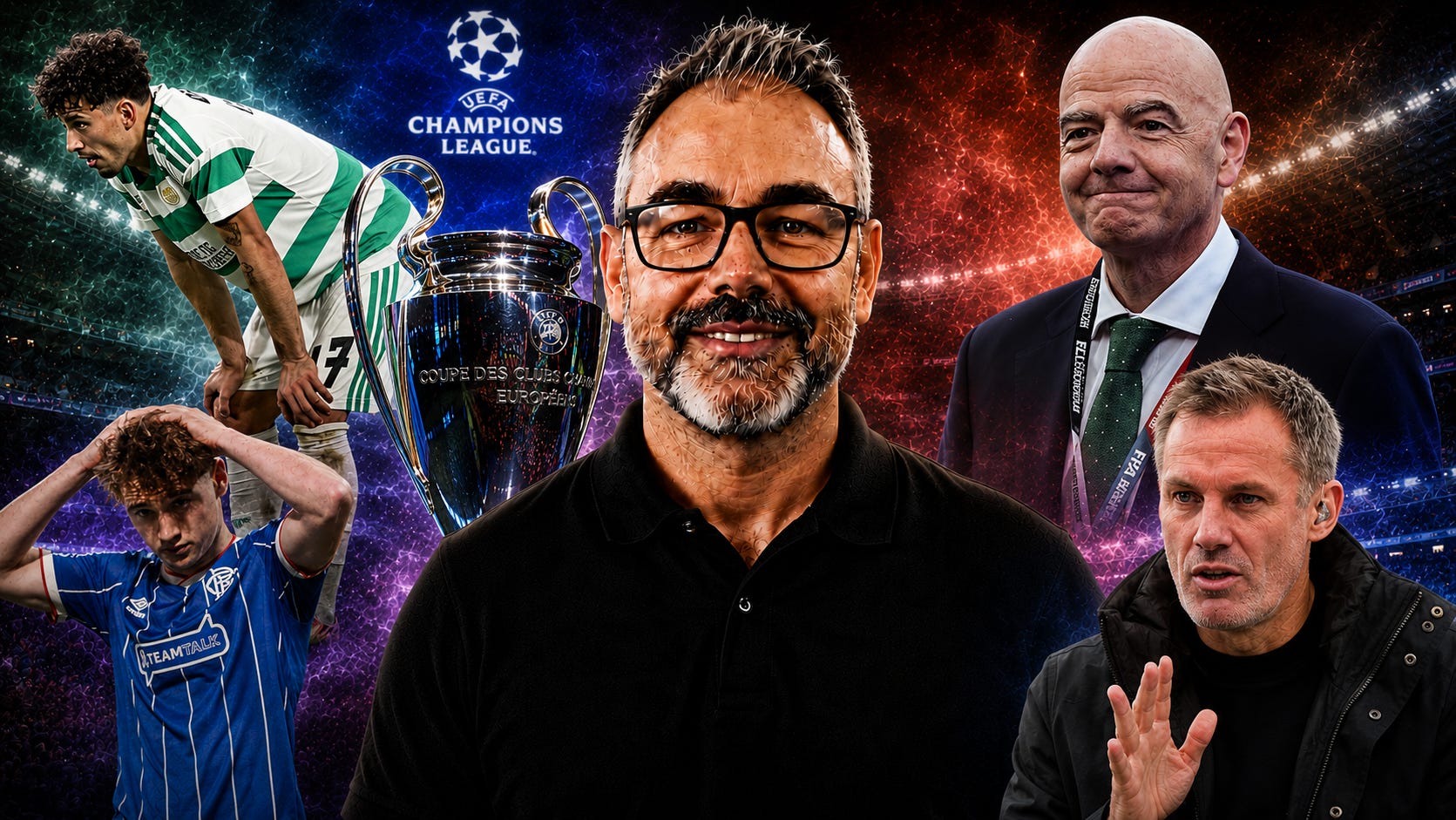
Can We Have the Football Back Now?
There comes a point every summer when I realise I’ve had enough of the transfer window.
I reached it some time around the 400th update telling me that a club was “preparing” to consider whether it might submit an improved offer for a player whose representatives had already reached a broad verbal agreement over personal terms.
Whatever that actually means.
This week has been particularly relentless. Every refresh brings another bid, rejection, valuation, agent conversation or player being “open” to a move. For Liverpool supporters, Bradley Barcola has dominated proceedings, accompanied by the apparently endless search for another forward and the lingering suspicion that there might still be another surprise before the deadline.
I understand why we’re addicted to it. I’m part of the machine myself. Transfers generate enormous interest and there is genuine excitement in watching your club sign a player you’ve spent weeks imagining in the shirt.
But eventually I want to see the shirt being worn.
The strange thing about late August is that the football has already started, yet we’re still behaving as though assembling the teams is more interesting than watching them.
We’ve had a full Premier League weekend. Liverpool have already managed to put me through the familiar emotional cycle of excitement, frustration and irritation during a 2-2 draw at Newcastle. The Champions League draw has given us eight European fixtures to anticipate. Yet much of the conversation remains dominated by who might be arriving and leaving before somebody finally turns the lights off on the transfer window.
Thankfully, we’re nearly there.
In a few days it closes and, for three glorious months, sporting directors will largely have to live with the squads they’ve built. Managers will have to coach them. Players will have to perform. Supporters can start judging what actually happens rather than what might happen if somebody agrees another £5 million in achievable add-ons.
And perhaps that is the thread running through my thoughts this week.
The Champions League draw reminded me why I actually enjoy European football, different opponents, different places and matches with stories attached to them.
Jamie Carragher provided a reminder that those paid handsomely to scrutinise everybody else occasionally find the camera pointing back at them.
Gianni Infantino reminded me, as if I needed reminding, why I would quite happily never see his face anywhere near a football pitch again.
And living in Scotland, I have watched another miserable European week raise uncomfortable questions about just how far Scottish football has fallen.
All of which brings us back to where football should eventually end up.
On the pitch.
So, with the transfer circus preparing to pack away its tent for a few months, here’s what has caught my attention this week.
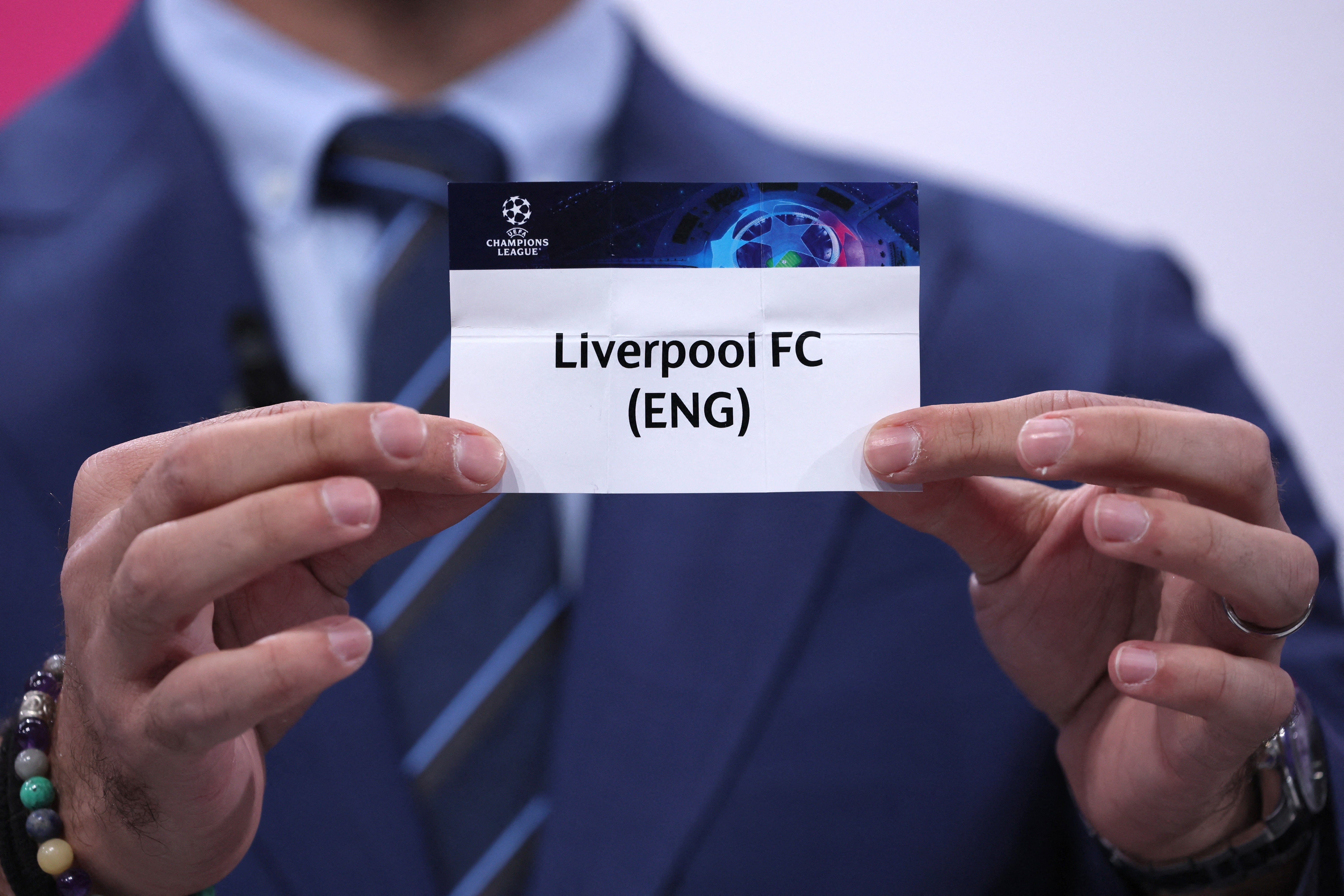
Champions League Draw Gives Liverpool No Excuses
There are Champions League draws that make you wince before a ball has even been kicked.
This was not one of them.
Liverpool should be absolutely delighted with what came out of Monaco.
Atlético Madrid at Anfield, Inter away, Porto at home, Club Brugge away, Villarreal at home, Fenerbahce away, Lens at home and LASK away.
That is a very workable set of fixtures.
There are difficult nights in there, of course. San Siro is never comfortable and Istanbul can turn a perfectly ordinary European away fixture into something considerably more chaotic. But Liverpool avoided Paris Saint-Germain, Barcelona, Bayern Munich and Real Madrid, which immediately removes several of the teams I would least have wanted to see in this phase.
If Liverpool are serious about being one of the best sides in Europe, they should finish in the top eight.
No excuses.
The draw is kind enough to demand that.
What I also like about it is that the fixtures have stories attached to them.
Inter away will inevitably become the Curtis Jones game. He has barely left Liverpool and already finds himself preparing to face his old team mates at San Siro.
That is exactly the sort of narrative European football thrives on.
Villarreal has another one.
Andoni Iraola and Iñigo Pérez go back years, from their time together at Athletic Club to working alongside one another at Rayo Vallecano. Now they find themselves facing each other in the Champions League in their first seasons managing in the competition.
Again, that makes the game more interesting before anybody has kicked a ball.
Atlético Madrid at Anfield should feel like a proper European night. Porto remain one of those clubs whose name immediately carries Champions League weight. Fenerbahce away will be hostile. Brugge away is exactly the kind of game where everyone assumes three points and then discovers European away football rarely respects assumptions.
There is enough jeopardy there.
Just not too much.
And that is probably the ideal combination.
I remain a fan of the new league phase format too.
I know football has a habit of changing things nobody asked to be changed, but this is one alteration I think has genuinely improved the competition.
The old group stage had become painfully predictable.
Four teams. Six matches. Home and away against the same three opponents.
Far too often you knew before Halloween which two teams were going through.
Now there is variety.
Eight different opponents, different countries, different stadiums and different tactical problems.
The draw feels broader.
It also creates far more individual narratives.
Arsenal get Real Madrid and Bayern Munich, with the Vinicius Junior storyline impossible to ignore after everything that happened during the summer.
Manchester United return to the Champions League with Bayern coming to Old Trafford and Atlético Madrid waiting for them in Spain.
Barcelona face Manchester City, PSG and Aston Villa, as well as matches against Como and Sabah which feel entirely different from the usual Champions League rotation of familiar names.
That is what I want from this competition.
I want familiarity at the very top, because Barcelona against PSG still means something.
But I also want the strange nights.
I want somebody having to travel somewhere uncomfortable in January.
I want an elite club turning up at a ground where the atmosphere is completely different to anything they experience domestically.
I want the sense that European football is actually European.
The danger with modern football is that everything becomes too polished and too familiar.
The same clubs, the same broadcast packages, the same narratives.
The Champions League works best when it retains a little unpredictability.
Liverpool have been given a draw which offers exactly that without becoming unnecessarily brutal.
There are enough good opponents to keep it interesting.
There are enough weaker ones to expect qualification.
There are enough storylines to give the league phase some personality.
And there are no excuses.
That is the important bit.
If Liverpool struggle to finish inside the top eight from this set of fixtures, the problem will not be the draw.
It will be Liverpool.
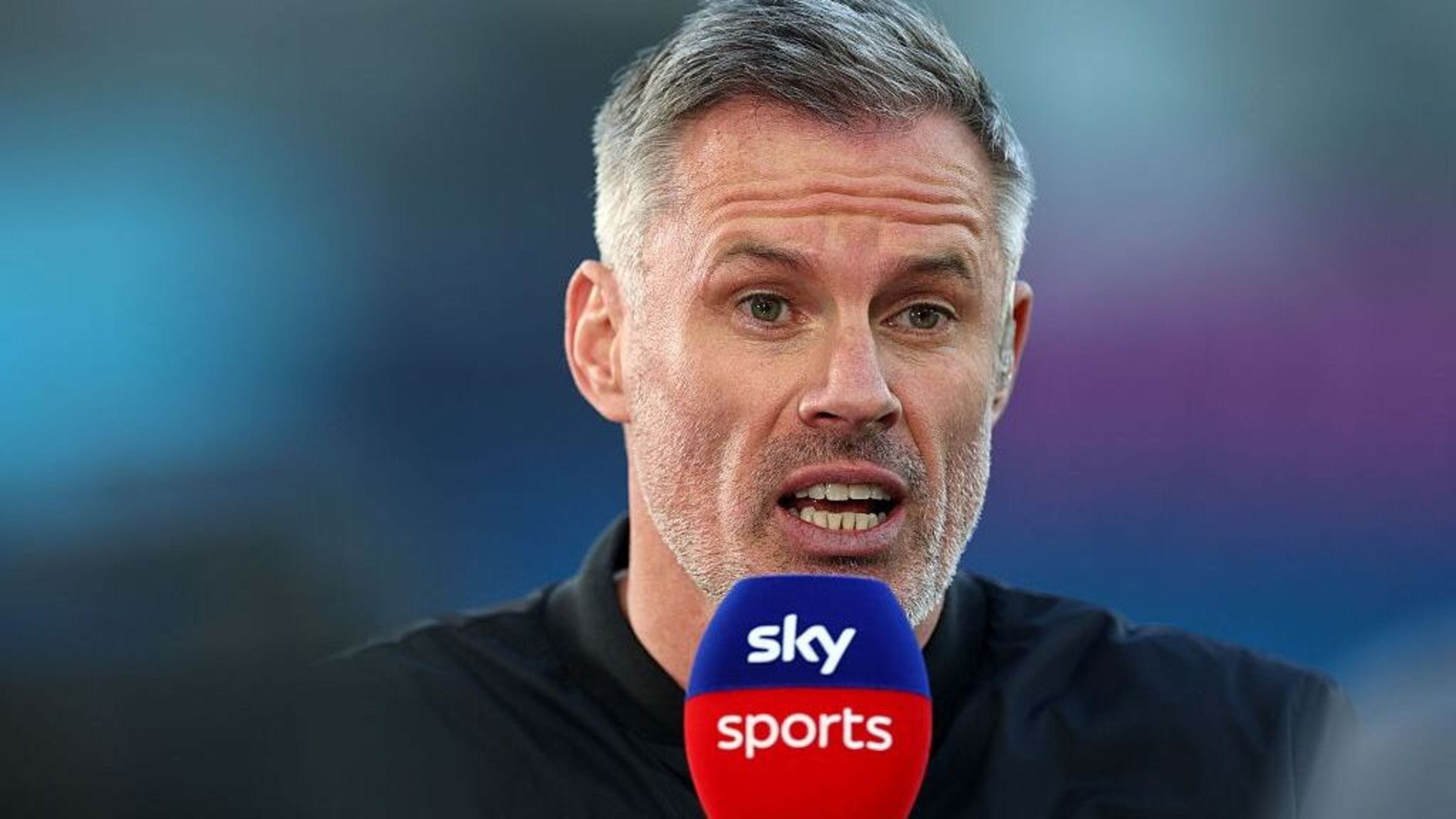
Carragher Finds the Spotlight Pointing Back at Him
Jamie Carragher has spent more than a decade telling footballers, managers and clubs exactly where they have gone wrong.
Sometimes he is measured. Sometimes he is provocative. Increasingly, I think, he seems to enjoy the latter.
So there is an unavoidable irony when somebody who makes a very comfortable living scrutinising other people’s mistakes suddenly finds himself at the centre of a story like this.
HMRC has filed a bankruptcy petition against Carragher over an unpaid tax bill. He appeared in court on Wednesday, with HMRC explaining that petitioning for bankruptcy is something it uses only as a “last resort” when pursuing unpaid taxes. Sources familiar with the situation apparently expect it to be resolved quickly.
Before anybody gets carried away, that is pretty much where the established facts end.
We don’t know the circumstances behind the bill. We don’t know what advice Carragher has received. We don’t know what discussions have taken place between his representatives and HMRC.
One of the more sensible responses beneath the original report made precisely that point. There could be accountants involved, there could have been advice not to pay at a particular stage, or there could be circumstances that have not yet emerged publicly. The important point is that we don’t know.
I’m therefore not going to sit here and label Carragher a tax dodger. The available information doesn’t justify it.
I will say this, though.
It is bloody embarrassing.
This isn’t some recently retired footballer wondering where all his money went after the final pay cheque stopped arriving.
Carragher has built one of the most successful media careers of any former English footballer.
Sky Sports, CBS, Stick to Football and everything else that comes with being one of the most recognisable pundits in the country. Since retiring in 2013, he has become almost as familiar to a generation of supporters sitting behind a microphone as he was wearing a Liverpool shirt.
For a financial matter to reach the stage where HMRC has filed a bankruptcy petition is therefore difficult to comprehend from the outside.
And Carragher, of all people, surely understands what happens next.
He has made a second career out of accountability.
When a defender makes a mistake, Carragher points it out.
When a manager gets his tactics wrong, Carragher points it out.
When a club makes a mess of recruitment, Carragher points it out.
Often loudly.
Sometimes repeatedly.
You cannot spend years operating in that world and then expect everyone to politely look the other way when the spotlight swings around.
The jokes were always going to come as well.
One commenter inevitably adapted Carragher’s famous line about leaving football before football leaves you:
“Leave the money before the money leaves you.”
I’ll admit, I laughed.
It was sitting there waiting to be headed into an empty net.
None of this changes what I think about Carragher the Liverpool player.
Seventeen years in the first team, 737 appearances, Istanbul, the UEFA Cup and an entire senior career devoted to one football club.
Those achievements don’t disappear because HMRC has knocked on the door.
Being a Liverpool legend shouldn’t provide immunity either.
I’ve also found Carragher increasingly irritating in recent years. There seems to be less humour about some of his punditry and more desire to create confrontation. One Liverpool-supporting commenter beneath the report made a similar observation, saying Carragher had become increasingly “over the top”.
Perhaps that’s simply the modern punditry business.
Strong opinions generate clips. Arguments generate engagement. Controversy travels considerably further on social media than somebody calmly explaining the merits of a midfield diamond.
Carragher understands that game exceptionally well.
Which is why he will also understand that this story isn’t going away simply because it is uncomfortable.
Hopefully, as those close to the situation apparently expect, everything gets resolved quickly.
Until then, there is something wonderfully football-like about one of the country’s most famous analysts finding himself on the receiving end.
Jamie Carragher has spent years pointing at the screen and explaining where somebody went wrong.
This week, everybody else gets a turn.
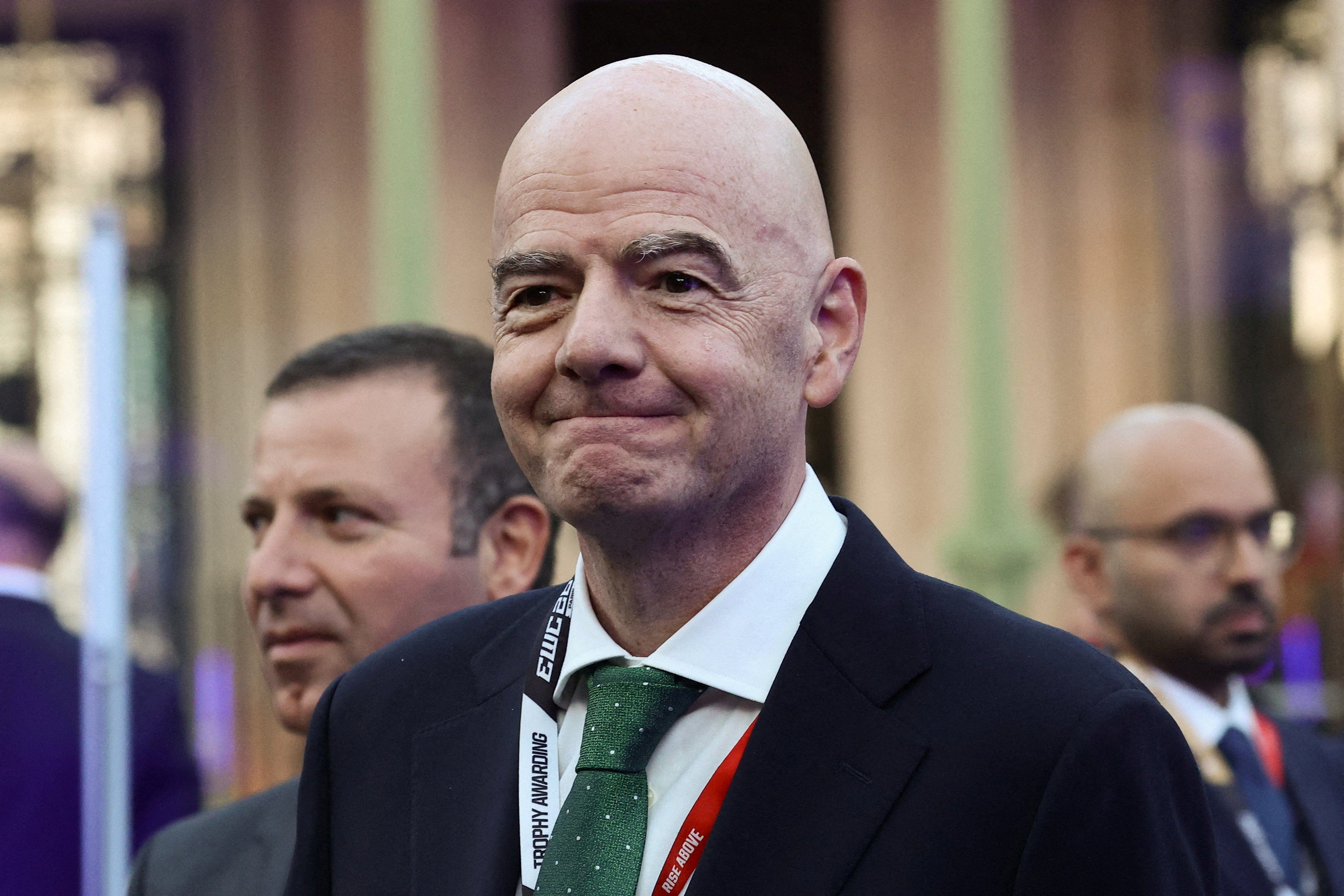
Infantino’s Latest Mess Should Be the Last
I have made no secret of my feelings towards Gianni Infantino.
I detest the man.
I don’t particularly like writing that about anybody, but I’ve watched enough of his stewardship of FIFA to have long since stopped giving him the benefit of the doubt. Football’s most powerful administrator should behave like a custodian of the game. Infantino increasingly gives me the impression of someone who believes the game belongs to him.
Now we have reached a point where UEFA is preparing to bring a complaint for alleged “criminal mismanagement” against the FIFA president.
Read that sentence again.
The organisation responsible for running European football is preparing potential criminal proceedings against the man responsible for running world football.
UEFA has already gone to three US courts seeking disclosure of material connected to Infantino’s abandoned plan to sell stakes in FIFA’s World Cup commercial rights to private investors. Any subsequent criminal complaint would be made in Switzerland.
These are allegations and they must be treated as such.
But the details contained within UEFA’s filing are extraordinary.
The dispute centres on the proposed FIFA Forward Enterprise scheme, which would have placed commercial rights to the men’s and women’s World Cups and Club World Cup into a new subsidiary.
According to the filing, the plan was announced without consultation with the FIFA Council, UEFA, the other confederations or FIFA’s 211 member associations. UEFA alleges that it had instead been developed secretly by Infantino and a small group for more than a year.
Apparently world football wasn’t quite commercial enough already.
The proposed investors were going to acquire a permanent financial interest in FIFA’s commercial operation for $4.2 billion, based on an implied enterprise valuation of around $20 billion. UEFA’s filing alleges that figure had not been established through an open competitive auction or tested by an independent valuer.
That alone should raise enormous questions about governance.
Then you reach the part that made my jaw drop.
The filing says contemporaneous reports suggested Infantino was considering taking a commissioner-style or chairman role in the new operation worth approximately $30 million per year.
For context, his reported annual FIFA compensation is around $6 million.
UEFA alleges that the prospective arrangement wasn’t disclosed to FIFA’s members or confederations and that no mechanism had been established to prevent Infantino’s potential personal financial interest influencing his involvement in developing the transaction.
Again, these are allegations contained in a legal filing.
But seriously, how much more of this does football need?
The scheme eventually collapsed following an extraordinary backlash. UEFA’s 55 associations unanimously decided they would refuse to participate in FIFA competitions unless the proposal was withdrawn, with Concacaf and the Asian Football Confederation joining that position. FIFA senior adviser Carlos Cordeiro subsequently resigned, describing the proposal as a bad deal for FIFA’s members and football’s long-term future.
Infantino eventually backed down.
That should not be the end of it.
Stopping a terrible idea once everybody discovers it doesn’t answer the question of how that idea got so far in the first place.
That is the part that matters to me.
Who authorised it?
Who knew about it?
Who valued it?
Who stood to benefit?
Why weren’t FIFA’s members properly involved?
These aren’t petty questions being asked because somebody doesn’t like Infantino. They go directly to how the organisation governing the world’s biggest sport is being run.
And this comes after years in which Infantino has increasingly seemed obsessed with proximity to political and financial power.
The UEFA filing even chronicles controversies surrounding his relationship with Donald Trump and connections to the wider Kushner family.
I’ve written before about my contempt for the direction Infantino has taken FIFA.
Nothing about this changes my mind.
If anything, it strengthens it.
Football administrators should be largely boring.
That might sound strange, but I mean it sincerely.
I don’t want the president of FIFA behaving like a global celebrity. I don’t want him chasing political relevance. I don’t want him attempting to become the face of tournaments that belong to players and supporters. And I certainly don’t want questions being raised about whether decisions involving billions of dollars might intersect with his own future financial interests.
I want someone competent, transparent and almost invisible.
Someone who understands that FIFA is not their personal empire.
There may yet be legal answers to all of this. Infantino and others targeted by UEFA’s disclosure applications have been approached for comment, and nothing in these filings establishes criminal guilt.
That distinction matters.
My opinion of his suitability to continue running FIFA doesn’t require a criminal conviction, though.
UEFA has lifted its immediate World Cup boycott threat after receiving assurances that the sell-off proposal will not return, but efforts to remove Infantino are continuing. Those involved are reportedly trying to build support for a vote of no confidence or a challenger at the presidential election in March.
Good.
Because football cannot keep lurching from one Infantino controversy to another and pretending everything is fine once the latest fire has been extinguished.
The sport is bigger than FIFA.
It is certainly bigger than Gianni Infantino.
Maybe it is finally time FIFA remembered that.
Scottish Football Has Fallen Further Than It Wants to Admit
There was a time when Celtic Park and Ibrox represented genuinely intimidating destinations in European football. The noise remains, the history certainly remains and both clubs can still fill stadiums that many supposedly bigger European sides would envy. What has disappeared, increasingly dramatically, is the quality of football required to make any of that matter once they step outside Scotland.
I know this will irritate supporters north of the border, but I look at the best Scottish teams now and genuinely wonder whether their playing level is much beyond England’s League One.
I’m not talking about the size of Celtic or Rangers as institutions. Both are enormous clubs with huge support bases and histories that most clubs would love to possess. I’m talking about the teams they actually put onto football pitches, because European competition has become an annual reality check that Scottish football seems determined to forget as quickly as possible.
This week provided another fairly brutal example.
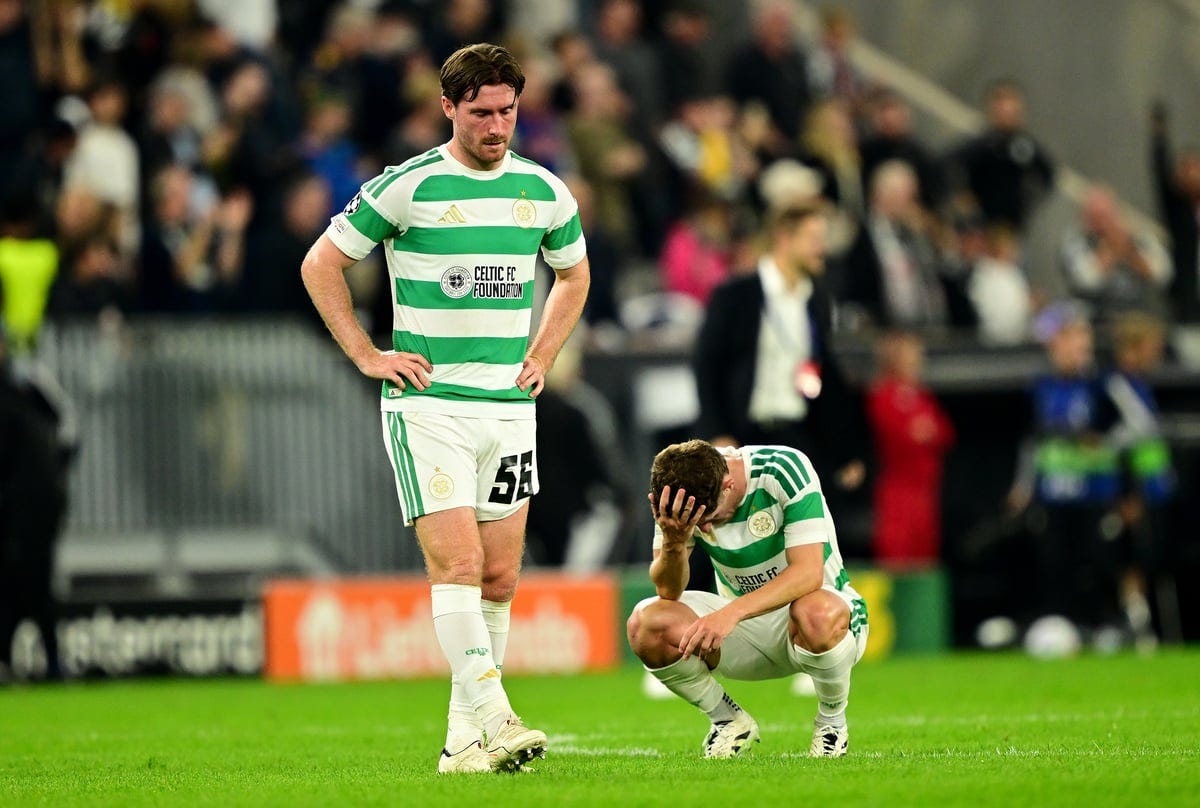
Celtic somehow managed to turn a 4-0 aggregate advantage against LASK into a 5-4 defeat. It was their sixth failure to qualify for the Champions League in eight attempts, another European post-mortem to add to a collection that is becoming depressingly familiar.
There are legitimate arguments about finances and the enormous gravitational pull of the Premier League, but those excuses only take you so far. Celtic generated £143 million when they reached the Champions League play-off in 2024-25, compared with £155 million for Ipswich Town, the Premier League’s lowest-revenue club that season. The financial gulf between England and Scotland is obvious, yet LASK’s most recently published turnover was only £42 million.
You cannot complain about being unable to compete with England while simultaneously collapsing against clubs operating with considerably less money than you.
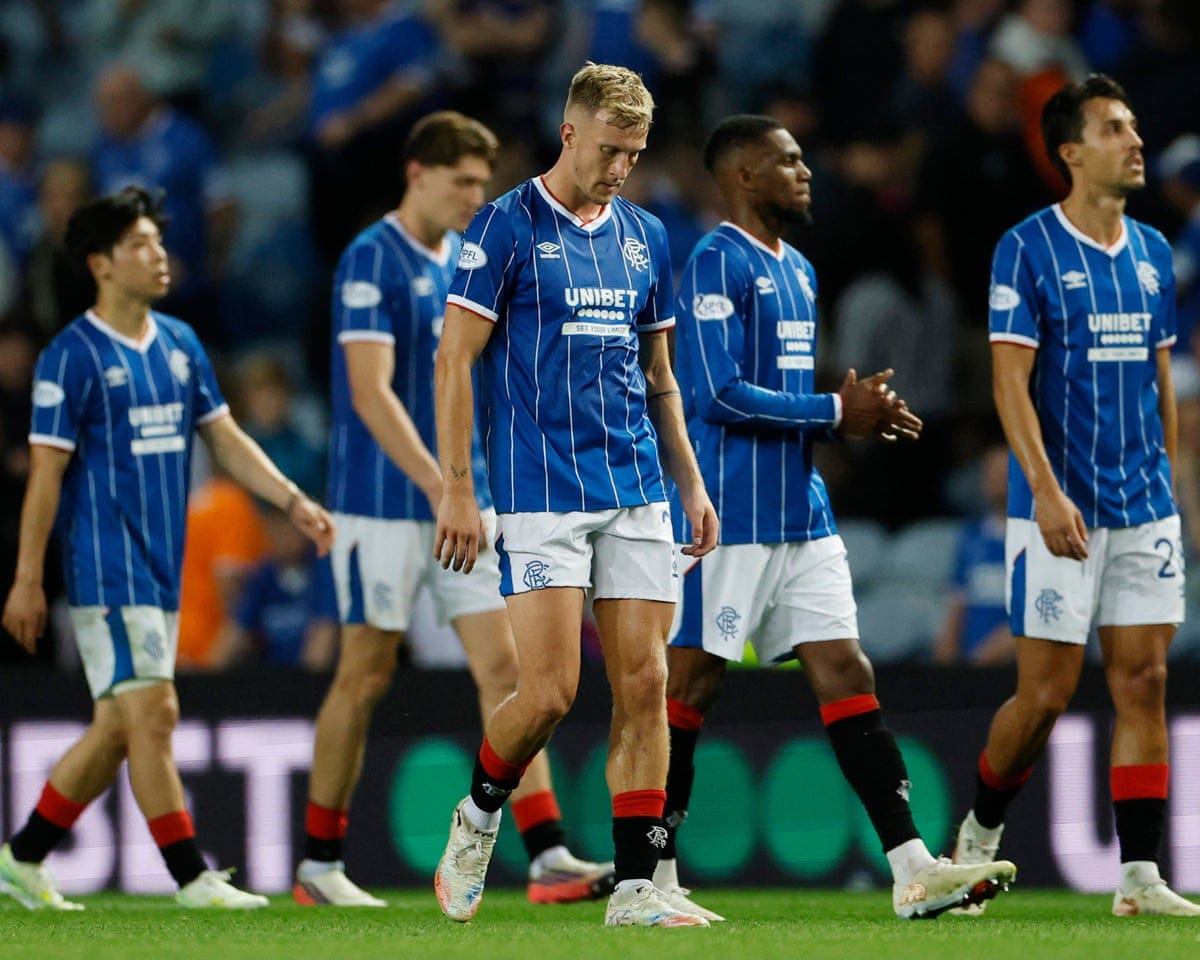
Rangers managed to make the picture even bleaker on Thursday night. Their defeat against Jablonec was dreadful, one shot on target, one goal across 210 minutes and eventually elimination on penalties against opponents whose record signing cost around £700,000.
That becomes particularly difficult to explain when Rangers have spent heavily themselves. The team on the pitch in the Czech Republic reportedly cost around £30 million in transfer fees, while Jablonec’s most recent turnover was approximately £8.5 million compared with Rangers’ £94 million.
Derek McInnes’ assessment afterwards was almost more damning than anything an outsider could write. He admitted Rangers aren’t particularly good in possession, aren’t effective enough on the counter and don’t appear comfortable playing directly. His conclusion was wonderfully simple: “teams need to be something.”
Quite.
What exactly are Rangers?
They have signed a dozen players and spent considerable money, yet McInnes is already making repeated tactical changes during matches in an attempt to discover a functioning team. Perhaps it will eventually come together, but European football wasn’t prepared to wait around while Rangers worked it out.
Hibernian then suffered their own collapse against Gent, conceding late after appearing to have turned the tie around, while Motherwell’s European adventure ended with a heavy defeat against Freiburg. Hearts deserve genuine credit for bucking the trend, producing a terrific performance against Rapid Vienna to reach the Conference League.
So Scottish football heads into the autumn with Celtic in the Europa League and Hearts in the Conference League.
I’d be surprised if either lasts particularly long.
That might sound unnecessarily dismissive, but Scotland’s UEFA coefficient provides some fairly compelling evidence of the direction of travel. Scotland was as high as ninth between 2021 and 2023. It has subsequently fallen to 18th and is already 19th in this season’s live standings.
That is a remarkable decline in a relatively short period and should surely provoke considerably more introspection than it does.
The problem, I suspect, is that Scottish football exists within an extraordinarily powerful domestic bubble.
Give this a few weeks and Celtic’s collapse against LASK will begin to fade from view. Rangers’ humiliation against Jablonec will become another unpleasant memory. Attention will return to the Premiership, the next Old Firm meeting, refereeing decisions and the eternal obsession with making sure the other lot don’t win something.
I understand why. Rivalry is the lifeblood of football and Celtic supporters ultimately care far more about finishing above Rangers than impressing somebody like me watching as a neutral on TV. Rangers supporters naturally feel exactly the same in reverse.
But that rivalry can also disguise the deterioration happening around them.
If clubs with the support, resources and pretensions of Celtic and Rangers were repeatedly producing these European results elsewhere, there would surely be sustained fury about how they were being run. Supporters would be demanding explanations from directors, executives and recruitment departments about why clubs with such overwhelming domestic advantages had become increasingly insignificant in European football.
There are signs of that anger at Celtic already. Supporters responding after the LASK collapse described the board as a “shambles”, criticised several disastrous transfer windows and questioned the wisdom of waiting until Champions League qualification before committing serious money to strengthening the squad.
They have every right to ask those questions, particularly when their own captain Callum McGregor described Celtic as “scared” and “passive” during the collapse in Austria. Former captain Scott Brown also questioned whether the squad possesses sufficient depth and quality for Champions League football.
For me, however, this has become bigger than individual managers or transfer windows. Scottish football needs to confront where it actually sits in the modern game’s hierarchy rather than where its history tells it that it belongs.
Nobody sensible expects Celtic or Rangers to compete financially with Liverpool, Real Madrid or Bayern Munich. The economics make that impossible. But expecting them to behave and perform like credible European clubs is hardly unreasonable, particularly when some of the teams eliminating them operate with a fraction of their resources.
Celtic and Rangers remain enormous football institutions. Scottish football remains culturally important, passionately supported and capable of producing atmospheres that put much of the Premier League to shame.
None of that guarantees sporting relevance.
Domestic trophies will be celebrated, Old Firm victories will be treasured and whoever finishes above the other will spend the summer reminding their rivals about it. That’s football and I wouldn’t want to remove any of it.
But every year Europe provides an examination that cannot be marked according to the standards of the Scottish Premiership.
Increasingly, Scotland’s biggest clubs are failing it.
Perhaps the most worrying thing is how quickly everyone seems prepared to return to the domestic bubble afterwards and pretend the examination never mattered.
Matchweek Two, Now We Start Learning Something
The opening weekend of a Premier League season is always dangerous territory for anyone armed with an opinion. One good performance becomes evidence of a revolution, one defeat becomes a crisis and every new signing is either the missing piece or £60 million that should have been spent elsewhere.
Matchweek Two normally brings a little more perspective, although looking at this weekend’s fixtures, there are already several clubs who could do without another bad afternoon.
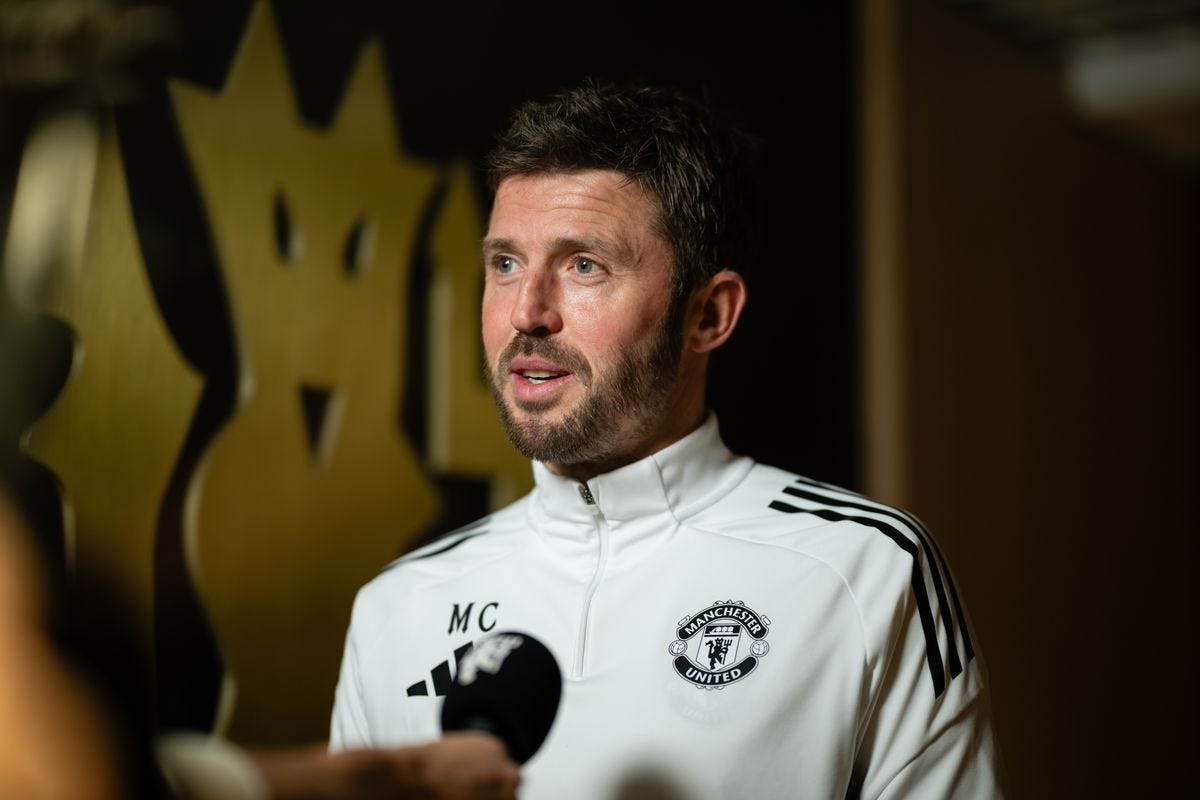
Manchester United are the obvious place to start. I was fascinated to see how Michael Carrick’s side would begin the season after plenty of optimism over the summer, only for newly promoted Hull City to beat them 2-0. Now another promoted side, Ipswich Town, head to Old Trafford having already beaten Sunderland.
United simply have to win.
Not because a season can be decided after two matches, obviously, but because we know how quickly the atmosphere changes around that club. Lose to Hull and beat Ipswich comfortably and the opening weekend becomes an aberration. Drop points again and suddenly Carrick spends the international break answering questions about why a supposed title challenger cannot beat newly promoted teams.
Carlos Baleba should improve their midfield considerably, but one player cannot solve everything overnight. Ipswich have nothing to lose and Old Trafford becomes an interesting place if the visitors can keep it quiet for an hour.
Liverpool have their own business to take care of much earlier on Saturday.
The 2-2 draw at Newcastle was frustrating because Liverpool led twice and still couldn’t see the game out. There were attacking positives, but some of the defensive issues that concerned me during pre-season were there again.
Nottingham Forest at Anfield therefore feels like a game Liverpool should be winning without too much drama. We have spent the week discussing Bradley Barcola and whoever else might arrive before the window closes, but Andoni Iraola already has more than enough available to beat Forest at home.
Three points, please. Preferably without making the final 20 minutes feel like a medical examination.
Perhaps the fixture I’m most interested in, outside Liverpool, comes on Monday night.
Aston Villa against Arsenal suddenly looks very different after the opening weekend. Arsenal began their title defence by comfortably beating Coventry 3-0, while Villa were four goals down to Brighton before half-time.
Villa’s squad has undergone enormous change and perhaps that performance was the inevitable consequence of so many moving parts. Unfortunately, the Premier League doesn’t provide a settling-in period and the champions arriving at Villa Park is hardly the fixture you would choose when trying to establish some stability.
Arsenal have reached the stage where these are precisely the games champions should approach expecting to win. Last season’s title changes the psychology around them. They are no longer chasing somebody else’s standard, they are defending their own.
Tottenham against Newcastle could be excellent as well. Newcastle’s 2-2 draw with Liverpool contained pretty much everything you expect from watching them, intensity, aggression, danger and enough chaos to keep everybody entertained. Taking that to Tottenham should make for another fascinating game.
Then there are the promoted clubs.
I wrote last week about how pleased I was to see Coventry back in the Premier League, although Arsenal provided a fairly brutal welcome. Their season doesn’t depend on getting anything at the Emirates. Hull at home is much closer to the sort of fixture that will determine whether Coventry can actually stay here.
Hull arrive with enormous confidence after beating Manchester United, which makes the game even more interesting. One of these clubs could finish Saturday with four or even six points, and those early victories are priceless when the inevitable difficult stretches arrive.
Elsewhere, Manchester City begin the weekend at Crystal Palace on Friday night, Chelsea host a Brighton side who looked frighteningly good during that first-half demolition of Villa, while Leeds, Sunderland, Bournemouth and the rest are already beginning the process of discovering what sort of season awaits them.
That’s why I enjoy this stage of the campaign.
We still know almost nothing.
The league table is largely meaningless, transfer business is still being completed and every prediction made during the summer remains vulnerable to being made ridiculous within 90 minutes.
After this weekend, though, patterns begin to emerge.
Two wins becomes a start.
Two defeats becomes a concern.
For Manchester United in particular, losing to one promoted club might be an opening-day shock.
Failing to beat another one seven days later starts looking like something else.
Shut the Window and Start the Football
By the time I sit down to write this again next Friday, it will all be over.
The transfer window will be closed.
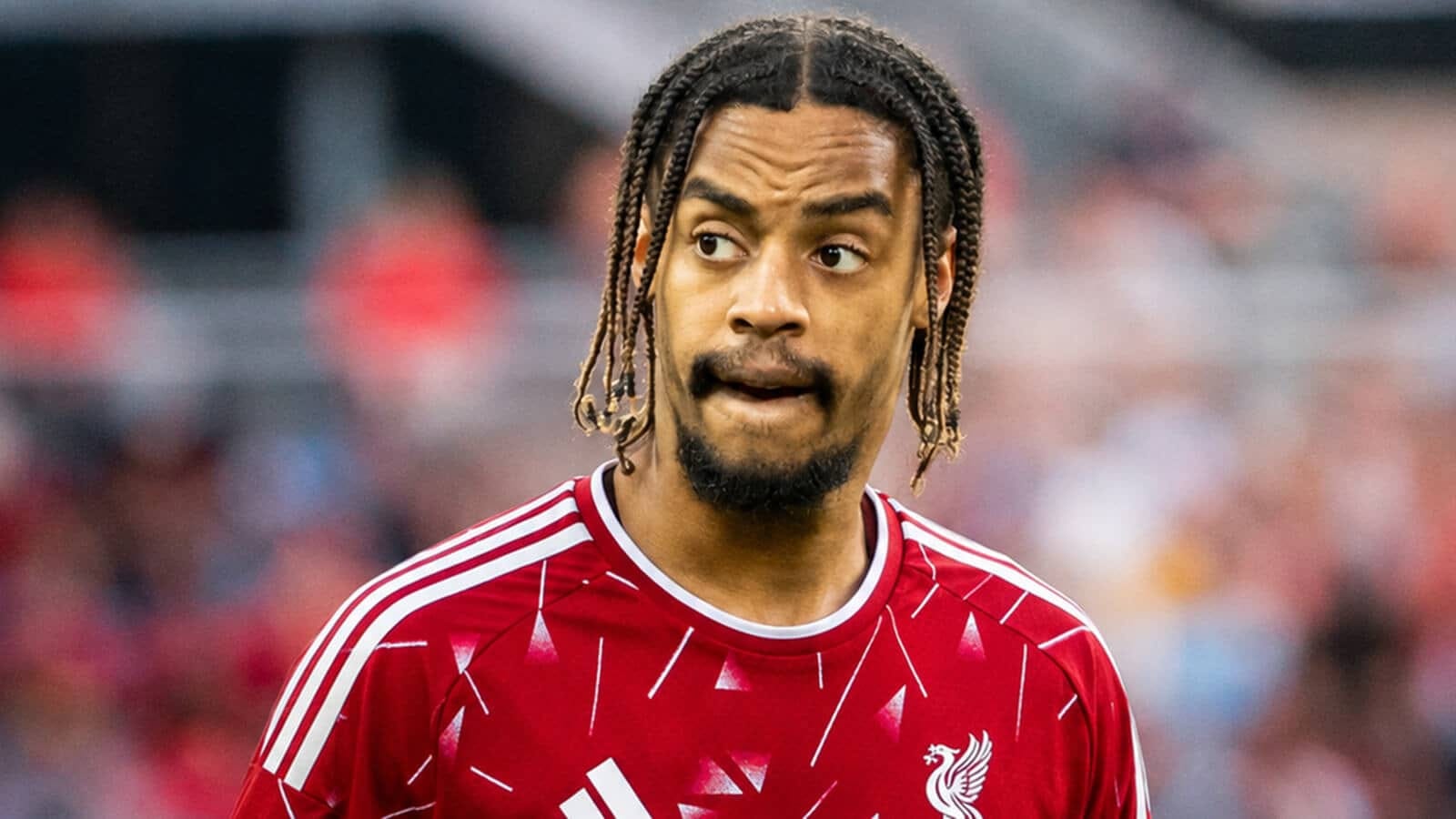
Bradley Barcola will either be a Liverpool player or he won’t. The endless list of forwards Liverpool have supposedly considered will finally stop growing. Every Premier League club will have whatever squad it managed to assemble and, barring free agents and emergencies, that will largely be that until January.
Good.
Because I’ve had enough of transfer football.
I want the real thing back.
I want to find out whether Liverpool can stop turning matches they should control into exercises in cardiovascular endurance. I want to see whether Manchester United losing at Hull was an opening-day freak result or the first sign that all the summer optimism was premature. I want to see how Arsenal cope with being the team everybody is chasing rather than the team doing the chasing.
And yes, living up here, I’ll continue casting an occasional eye over Scottish football too.
Raith Rovers are my Scottish team, although I’m hardly pretending to be someone who spends every weekend immersed in the Premiership. I watch much of it as a neutral and, when Celtic, Rangers, Hearts, Hibs or anyone else represents Scotland in Europe, I generally want them to do well.
That’s why this week’s results bother me.
There’s no satisfaction in watching Scottish football slide down Europe’s hierarchy. I would much rather see Celtic Park and Ibrox hosting important European matches than watch another August qualifying disaster followed by everyone retreating into the familiar domestic argument about which half of the Old Firm has bragging rights.
Perhaps that applies more broadly to football.
Sometimes we become so consumed by our own little bubbles that we lose sight of what the game is supposed to be about.
We’ve spent an entire summer discussing valuations rather than goals, negotiations rather than tackles, medicals rather than matches. We’ve treated footballers like numbers on spreadsheets and sporting directors like centre-forwards waiting to score the winning goal.
Soon there will be nowhere left to hide.
No more waiting for the next signing to fix the midfield.
No more hoping somebody arrives before the deadline.
No more judging imaginary teams containing players who haven’t actually signed.
Just the squads that remain, the managers responsible for them and the matches that will determine whether all those clever summer plans were actually any good.
That suits me.
Give me Liverpool trying to defend a lead properly. Give me Coventry attempting to establish themselves back in the Premier League. Give me Champions League nights at Anfield. Give me Raith Rovers doing whatever Raith Rovers inevitably decide to do to my weekend.
We’ve spent months obsessing over building football teams.
Now I’d quite like to watch them play football.