

Chelsea have not kept a Premier League clean sheet since the middle of January. By the time Bournemouth arrive at Stamford Bridge on Saturday, that run will have stretched to 21 league matches, a sequence that Sky Sports News pundit James Savundra described this week as “remarkable” and one that several statisticians tracking the club’s history say is the worst defensive run Chelsea have produced in 65 years.
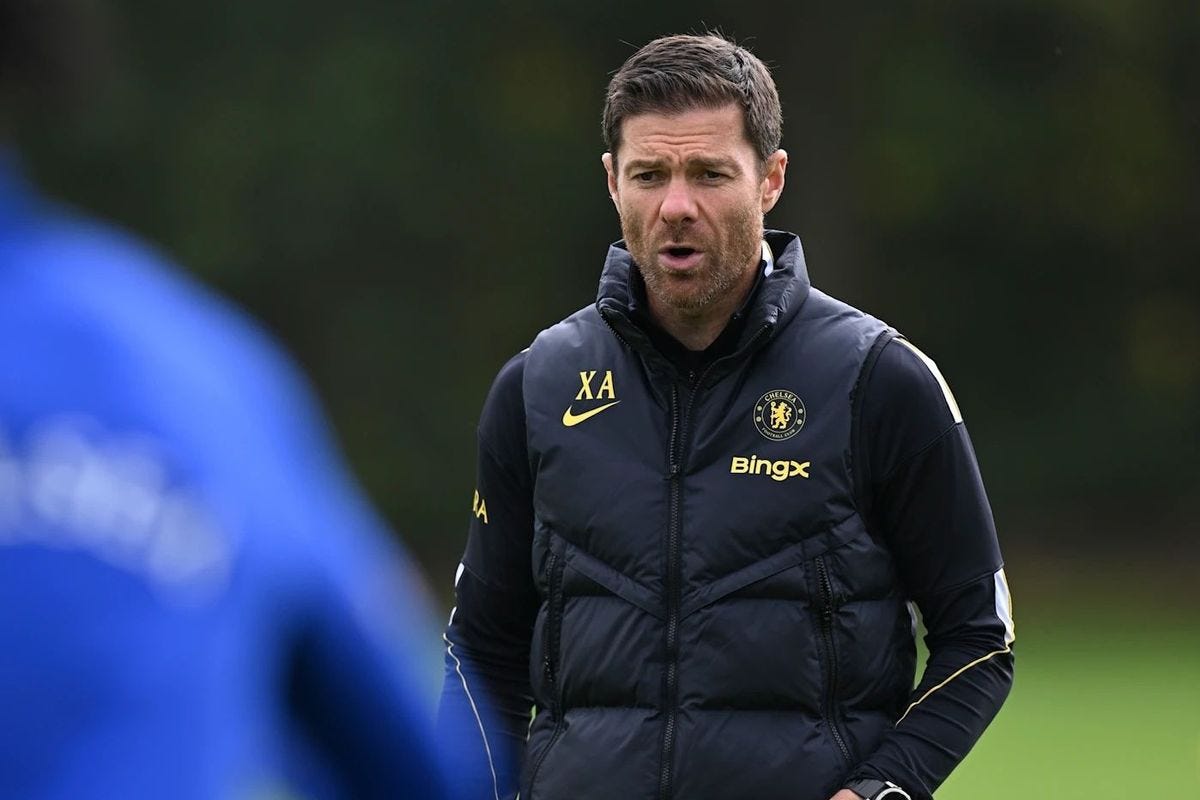
It is not the kind of record anyone wants attached to their name, and it leaves Xabi Alonso facing arguably the most important fortnight of his short Chelsea tenure. The international break has given him time to think. What he actually needs is for his back line to start holding firm again, starting this weekend.
The numbers from before the break make for grim reading. Chelsea took one point from their final three Premier League games, beaten 2-1 at Arsenal, held to a 2-2 draw at home to Hull City, then thrashed 3-0 at Brentford in a result that summed up everything going wrong. They sit tenth in the table with seven points from five games, have conceded 12 goals, more than any other side in the division this season, and have scored enough at the other end that the problem is obviously not a lack of attacking quality.
A Problem That Predates Alonso
Savundra made the point that Chelsea’s defensive fragility did not start when Alonso walked through the door in May. He has inherited a side that had already developed bad habits, and he has had to work with a back line that has barely stayed the same from one week to the next because of injuries and rotation. That is a fair observation, but it does not make Saturday any less pressing for a manager who needs results now, not sympathy.
The Brentford defeat was the clearest example of the pattern. Jaidon Anthony headed the hosts in front from a corner, Chelsea were picked apart at the back post for a second goal, and a stoppage time strike rounded off an afternoon that left Alonso in no mood to make excuses. “You need to feel it,” he said afterwards. “We’re not feeling it.” Levi Colwill was equally blunt, admitting Chelsea have been bullied in games this season and insisting the players trust their set piece coach even as opponents keep finding the same gaps.
Set pieces in particular have become a running sore. Chelsea have conceded from a corner or free kick in four of their last five league matches, and their total of set piece goals conceded since the start of last season is among the worst in the Premier League. For a club that spent heavily to rebuild its squad, that is the sort of basic, coachable problem that should not still be showing up more than a year into the project.
The Caicedo Puzzle
Much of Chelsea’s defensive trouble traces back to the midfield in front of the back four, and specifically to Moises Caicedo’s absence. The Ecuadorian, usually the anchor who allows Chelsea’s defenders to play with confidence, has managed just 14 Premier League minutes all season because of injury. Reece James is unfit again, Romeo Lavia has stayed available but missed the Brentford game, and academy graduate Marco Palestra impressed enough in pre season that Alonso is understood to be keen to have him fit and involved.
Without Caicedo screening the back line, Chelsea have looked exposed in the moments that matter, whether that is a transition, a second ball at a corner, or simply holding a shape for the final ten minutes of a game they are winning. Savundra’s assessment was that the next few months will decide whether Chelsea trust what they already have in midfield or go shopping again in January. Alonso and the club’s ownership will hope the answer arrives from within the building rather than the transfer market, not least because reinforcements mid season are never straightforward.
Six Games That Will Define the Autumn
What makes this moment feel significant is the run of fixtures Chelsea are about to play. Bournemouth at home is followed by a trip to Everton, then Tottenham at Stamford Bridge, a Carabao Cup assignment away at Liverpool, Manchester United at home, and a journey to Sunderland. None of those are the kind of games Chelsea should fear, but none of them will forgive another soft defensive afternoon either. Win most of them and the clean sheet drought becomes a footnote from a difficult autumn. Lose them and questions about Alonso’s start will only grow louder.
There is context worth holding onto here too. Chelsea’s current side is still relatively new, built around a manager who only arrived in May and a squad still finding its best balance. Alonso has spoken before about wanting patience from the club’s ownership, and Colwill’s defence of the coaching staff suggests the dressing room has not turned on the process even after five bruising weeks. Football clubs have talked their way out of leaner spells before, and a first Premier League clean sheet of the autumn this weekend would do more for belief inside Stamford Bridge than any amount of reassurance from the training ground.
Bournemouth, unspectacular but difficult to beat, represent exactly the sort of fixture Chelsea need to get right if they are serious about turning this season around. Nobody at the club will say it in so many words, but Saturday feels like the day Alonso needs his defence to finally show up.
If you have enjoyed this piece, consider following It Was Always… Football for more on the stories shaping the modern game and the history behind it.