

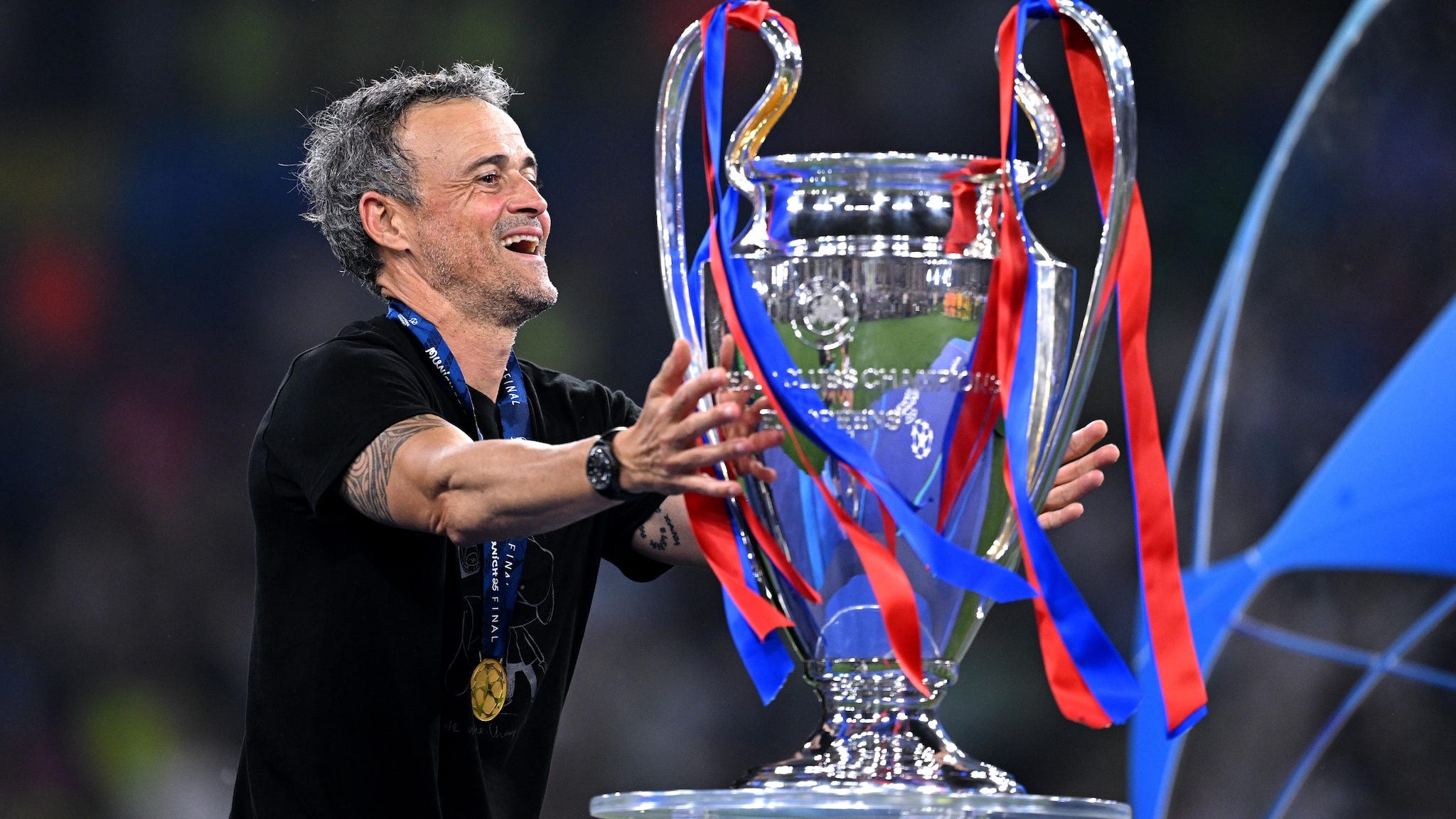
European football has reached that familiar point where reputation begins to wrestle with reality. Eight clubs remain in the Champions League, each carrying a version of truth about themselves. Some are built on rhythm, some on memory, some on sheer financial muscle. Only one of those truths will survive.
This quarter-final line-up is not short on grandeur. Between them, these clubs have shaped the modern Champions League, not just winning it but defining how it is won. Yet history offers no guarantees now. It merely sharpens expectation.
Heavyweight pedigree meets modern fragility
Real Madrid, Bayern Munich, Barcelona and Liverpool bring European weight that cannot be taught. Thirty-two titles sit between those names, a number that still bends the competition towards them. But pedigree alone does not win ties anymore. It buys belief, nothing more.
Madrid remain the competition’s great illusionists. You can watch them for eighty minutes and see flaws, disjointed pressing, gaps between lines, a reliance on moments rather than method. Then, without warning, the game bends. It always does. That is not luck. It is a psychological edge honed over decades.
Bayern, by contrast, look like a side built in a laboratory for control. Their attacking unit carries pace, movement and precision. Their domestic dominance suggests a team in full stride, not searching for answers but applying them. Yet Bayern’s recurring European issue remains timing. They arrive strong, sometimes too early, and fade when chaos replaces structure.
Barcelona are chaos dressed as art. Goals flow freely, patterns emerge in possession, and young brilliance gives them a sense of inevitability going forward. But defensive instability lingers like a bad habit. In knockout football, that habit tends to be punished.
Liverpool sit in a stranger place. They are neither stable nor finished. At their best, they still carry the ferocity of a side that can overwhelm opponents in bursts. At their worst, they are loose, open, and uncertain. That gap between levels is where their European fate will be decided.
PSG edge Liverpool in battle of volatility
Paris Saint-Germain against Liverpool is a tie shaped by unpredictability. Both sides can produce devastating attacking sequences. Both can lose control just as quickly.
PSG look closer to balance this time. Their forward line is not just talented, it is varied. There is pace, directness, and an increasing willingness to press as a unit. That matters. In recent years, PSG have often played as individuals sharing a pitch. Now they resemble a team.
Liverpool, on the other hand, remain a side searching for consistency. Their intensity comes and goes. When it is there, they can tear opponents apart. When it fades, they look ordinary. Defensive vulnerability is the deeper concern. Against elite attacking quality, hesitation is fatal.
Over two legs, reliability usually wins. PSG appear to have more of it right now.
Bayern versus Madrid: instinct against structure
This tie carries the feel of something inevitable. Bayern bring form, structure, and attacking clarity. Madrid bring instinct and an unshakeable sense of timing.
Bayern’s attacking combinations are among the most fluid left in the competition. Their ability to stretch play and then strike centrally gives them multiple routes to goal. They will believe they can control the rhythm of both legs.
Madrid will not care. Control has never been their priority. They operate on moments, and they trust their ability to create them when it matters most. With players capable of deciding games in seconds, they remain the most dangerous opponent in football when a tie is on the edge.
This is the kind of match that resists logic. Bayern may look stronger across ninety minutes. Madrid only need a few.
Barcelona carry threat, Atletico carry bite
Barcelona against Atletico Madrid promises goals and tension in equal measure. Barcelona will dominate the ball. That is certain. They will create chances. That too is certain.
What is less certain is whether they can control the game without it.
Atletico have evolved. They are no longer purely reactive, but they have not lost their edge. They remain aggressive, disciplined, and capable of turning matches into physical contests. Against Barcelona’s attacking freedom, that edge could become decisive.
Barcelona’s weakness is not a secret. Space behind their attacking structure can be exploited. Atletico know how to exploit it. Over two legs, that knowledge matters.
Yet Barcelona’s firepower may still be enough. If they score early and often, they can pull Atletico into a game they do not want to play.
Arsenal face opportunity and expectation
Arsenal’s draw offers them something rare at this stage of the competition. A clear path. Sporting are capable, organised, and dangerous in attack, but they lack the depth and experience of the sides around them.
For Arsenal, this is less about the opponent and more about themselves.
They have become one of the hardest teams to beat in Europe. Their structure is sound, their pressing intelligent, and their game management controlled. Critics will argue that they lack spectacle. That misses the point. Knockout football rewards control, not entertainment.
The real question is psychological. Arsenal are still chasing their first European crown. That absence lingers. Every round increases the weight of it.
This is a test of composure more than quality. If they manage the first leg well, they should progress. If they allow doubt to creep in, the tie becomes complicated.
Finance, depth and the modern Champions League
There is another layer running through these ties, one that cannot be ignored. Financial power has shaped this competition as much as tactics.
The gap between clubs is no longer just about history. It is about resources, squad depth, and the ability to absorb setbacks. The richest clubs can rotate without weakening. They can recover from injuries. They can maintain intensity across multiple competitions.
That advantage shows at this stage. The clubs left standing are not here by accident. They are here because they are built to last the season.
Yet money alone does not win knockout ties. It creates opportunity. Execution still decides everything.
Prediction shaped by balance, not romance
It is tempting to lean on narrative at this stage. To expect Madrid magic, Barcelona brilliance, or an English resurgence. The reality is usually simpler.
Teams that combine attacking quality with defensive stability tend to progress. Right now, that points towards PSG, Bayern, Barcelona and Arsenal.
But the Champions League rarely follows a clean script. One red card, one moment of brilliance, one mistake under pressure can change everything.
That is why it remains compelling. Not because the best team always wins, but because the margins are so thin.