

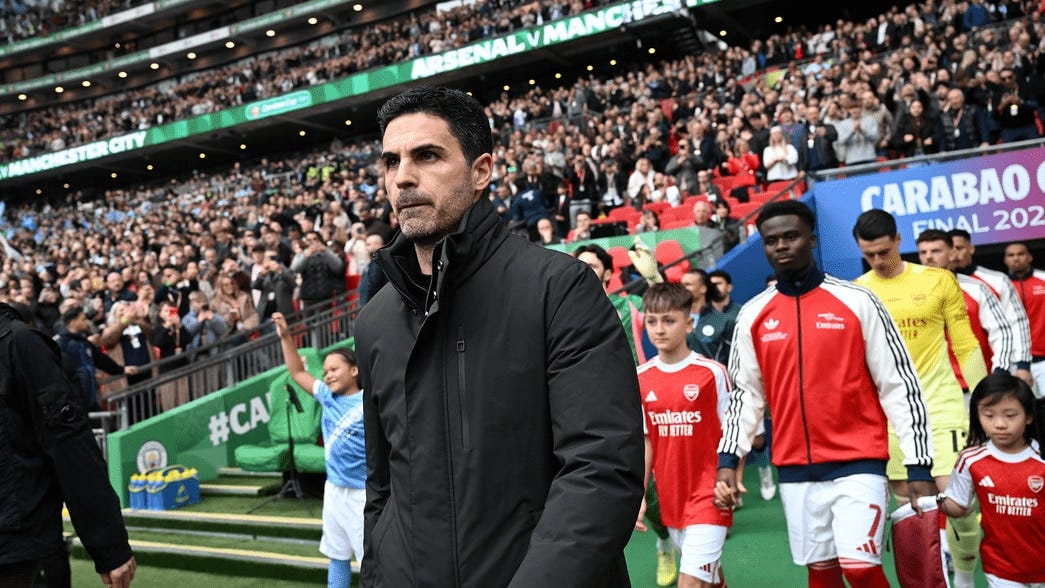
There’s always noise around Arsenal when they fall short. The volume rises, the words sharpen, and the old labels get dusted off. Bottlers, nearly men, soft when it matters. It is lazy, it is predictable, and this time it is wide of the mark.
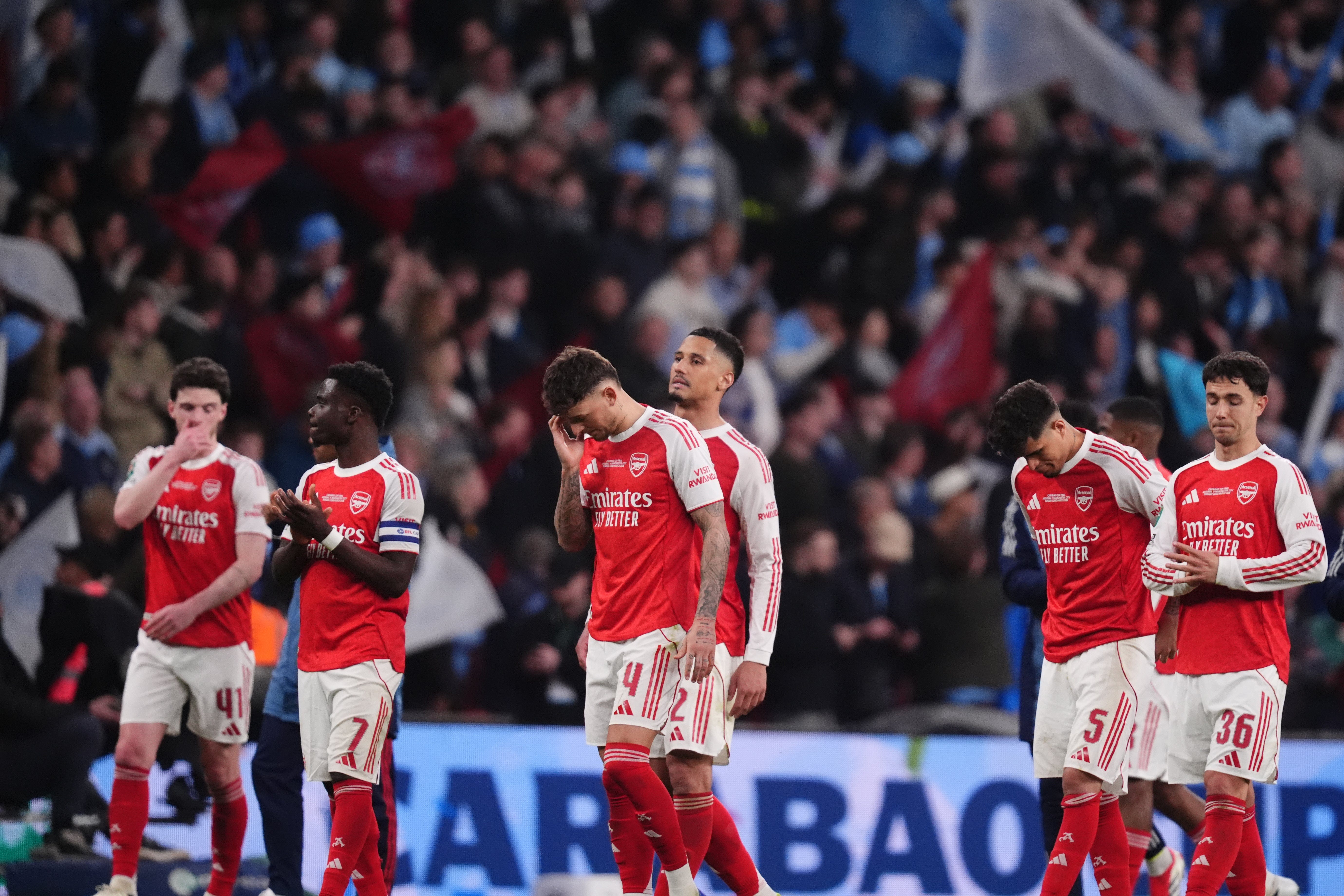
Yes, they lost the Carabao Cup final. Yes, they were poor when it mattered most. And yes, it was all a bit limp once the game turned. But strip away the theatre and the online hysteria, and the truth is far less dramatic.
This changes very little.
Arsenal are still miles clear at the top of the league. They are still the most consistent side in the country. They still lose fewer games than anyone else who matters. One bad afternoon at Wembley does not rewrite a season, and it certainly does not define a team.
If anything, it sharpens the picture.
This is a side built to endure, not to entertain. Built to control, not to dazzle. Built, above all, to win the long game.
And they will.
Control over courage defines this team
The real criticism of Arsenal is not that they lose finals. It is how they play them.
There is a caution at the heart of this team. A reluctance to open up. A preference for structure over spontaneity. You can see it when the stakes rise. The passes get safer. The runs get fewer. The risk disappears.
It is not fear in the traditional sense. It is design.
Mikel Arteta has built a side that squeezes life out of matches. They defend aggressively, they manage territory, they dominate phases without necessarily creating anything memorable. It is suffocating when it works.
Over a league campaign, it is devastating.
Over ninety minutes at Wembley, it can look blunt.
When Manchester City stepped off and invited Arsenal forward, the response was telling. There was hesitation. A lack of imagination. No one willing to break the script. The system held, but the spark never came.
That is the trade-off.
You do not construct a machine like this and suddenly expect it to play with abandon when the occasion demands it. Arsenal are what they have been coached to be. Efficient, disciplined, and at times, painfully predictable.
And yet, that same predictability is exactly why they are closing in on the biggest prize of all.
Sentiment and selection under scrutiny
If the performance raised questions, the team selection added fuel.
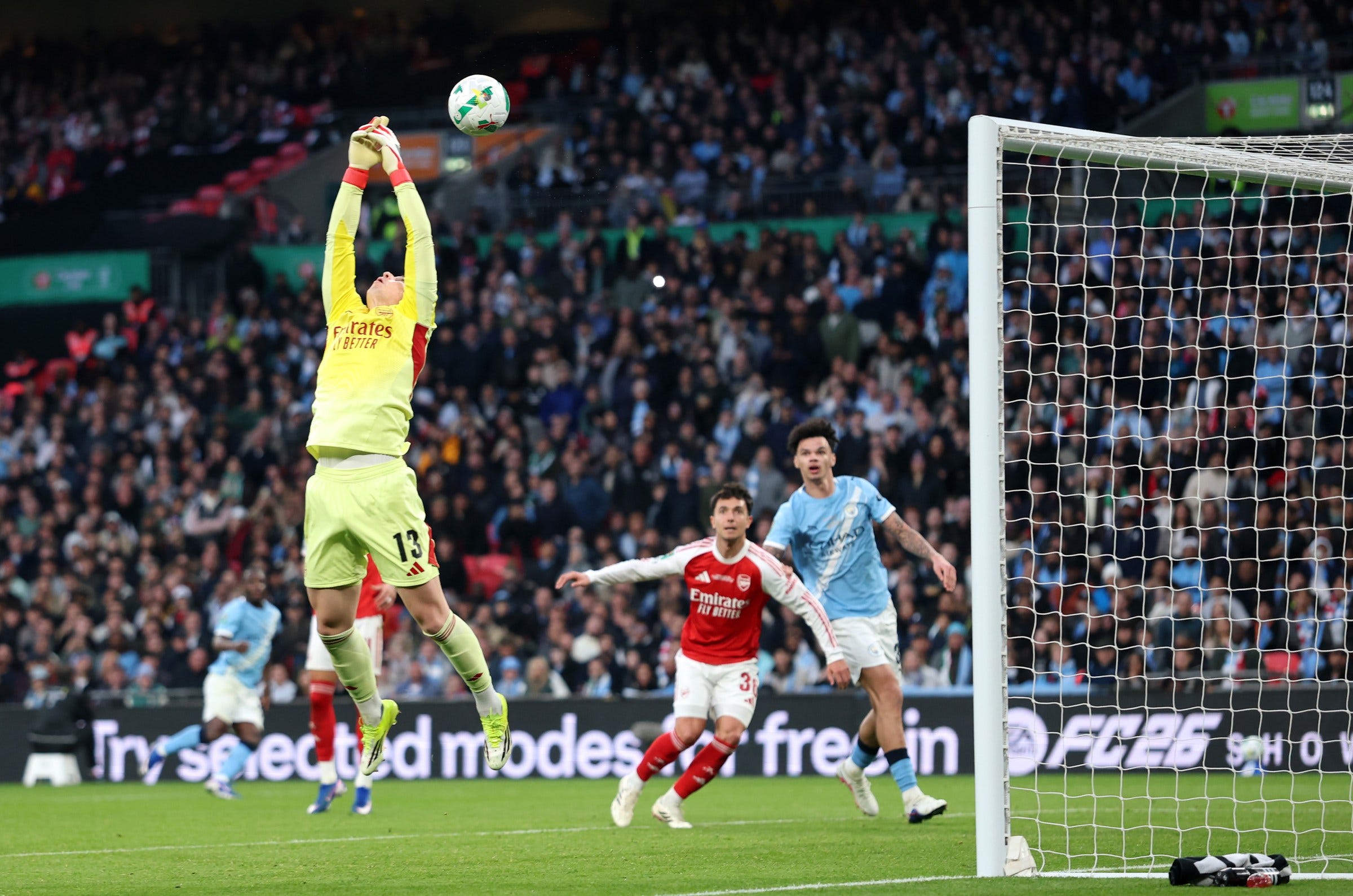
Starting Kepa was a decision dressed up as loyalty. Rewarding contribution, respecting the journey, maintaining harmony. All admirable traits. All slightly misplaced on a day that demanded cold judgement.
Elite managers talk about marginal gains. This was a self-inflicted handicap.
The difference between a first-choice goalkeeper and a deputy is not always obvious until it is decisive. Distribution, authority, timing, presence. These are not luxuries in a final, they are essentials.
Arsenal lost control of the game long before the error, but moments matter. Finals turn on them. And this was avoidable.
More telling, though, was what it revealed about Arteta.
For all the talk of evolution, there is still a streak of idealism in him. A belief in fairness, in emotional investment, in collective trust. It has helped build the culture that now drives Arsenal forward.
But it can also cloud the harder calls.
The best managers know when to be ruthless. They pick the team to win the match, not to reward the journey. On this occasion, Arsenal blinked.
It will not happen again.
Big prizes now within reach
Here is the part that will irritate rivals and unsettle neutrals.
Arsenal are going to win something big, and soon.
Almost certainly the league. Possibly more.
The gap at the top is not an illusion. It is the result of relentless accumulation. They do not drop points cheaply. They do not beat themselves. They turn up, do the job, and move on.
It is not thrilling, but it is effective.
There is a pattern to champions. Control at the back, discipline in midfield, clarity in approach. Arsenal tick every box. The central defence is as strong as any in Europe. The midfield protects and recycles. The attack does enough.
Not everything, just enough.
That is the key. They are not chasing perfection. They are chasing outcomes.
Rivals will point to the lack of flair, the reliance on structure, the absence of chaos. They will call it dull. They will say it will not last. They will insist that better teams will expose them.
Maybe. On a given night, against elite opposition, that argument has weight.
Across 38 games, it falls apart.
This is where Arsenal thrive. Not in moments, but in stretches. Not in bursts, but in accumulation. They wear teams down. They outlast them. They collect points with a quiet, relentless efficiency.
That wins leagues.
Fans, noise, and the myth of collapse
There is, of course, another layer to all of this. The noise around Arsenal is never just about football.
Their fans do not help themselves. The grand claims, the inflated language, the sense of destiny. It invites ridicule, and when results dip, the backlash is swift.
But it is also a distraction.
The loudest voices are rarely the most representative. For every exaggerated claim, there are thousands watching with a more grounded understanding of what this team is and what it is not.
They know this is not a great side in the historic sense. Not yet. They know it lacks the flair of past champions, the aura of dominance, the sense of inevitability in big moments.
What they also know is that it keeps winning.
And that is what matters.
The idea that this team is fragile, that it will crumble under pressure, has been tested repeatedly and found wanting. Defeats have been followed by long unbeaten runs. Setbacks have sharpened focus rather than shattered it.
This is not a soft team. It is a controlled one.
There is a difference.
Winning changes everything, even if it changes nothing
When Arsenal finally get over the line, and they will, the conversation will shift overnight.
The same performances will be framed differently. The same control will be called maturity. The same caution will be labelled intelligence. Winning has a way of rewriting the narrative.
It will not make the football more attractive. It will not suddenly inject flair into a system designed to limit it. But it will validate the approach.
And that is all that counts.
There is a temptation to demand more from teams like this. More excitement, more risk, more expression. It is understandable. Football, at its best, should stir something.
But football, at its highest level, is about winning.
Arsenal have chosen their path. It is not romantic. It is not always enjoyable. It is, however, brutally effective.
The Carabao Cup was never the point. The reaction to its loss says more about perception than reality.
This team is closing in on something far bigger.
And when it arrives, the noise will not stop. It will just change direction.