

CAF overturns result as Senegal stripped of title in unprecedented ruling
There are moments in football that linger for decades, not because of brilliance on the pitch, but because of what unfolds around it. The 2025 Africa Cup of Nations final now belongs firmly in that category.
Morocco are champions of Africa. Not by the roar of a winning goal in normal time, nor by the drama of penalties, but by decree, by regulation, and by a decision that will be debated across the continent for years to come.
A Final That Refused to Behave Like One
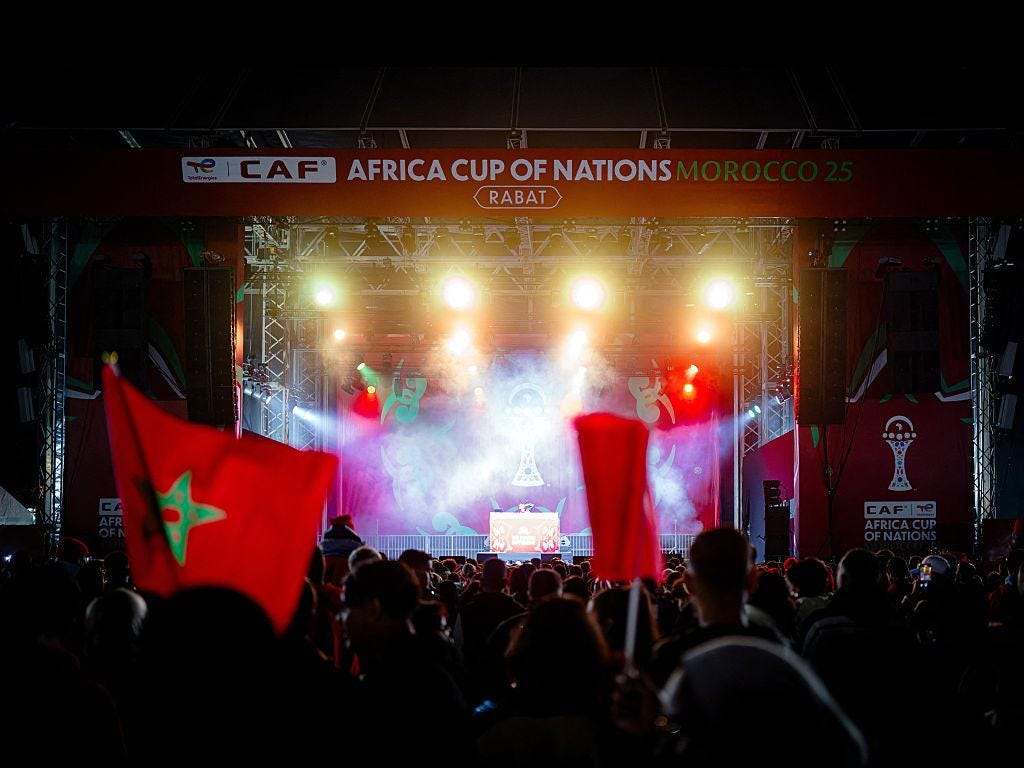
Cast your mind back to Rabat in January. The score sat at 0-0, tension thick, the kind that grips finals and refuses to let go. Then came the moment.
A stoppage-time penalty awarded to Morocco after a VAR review. A decision that lit the fuse.
Senegal’s players, led by their bench, walked. Off the pitch. A statement of protest, of anger, of disbelief.
For 17 minutes, the final ceased to be a football match. It became theatre, controversy, and chaos wrapped into one.
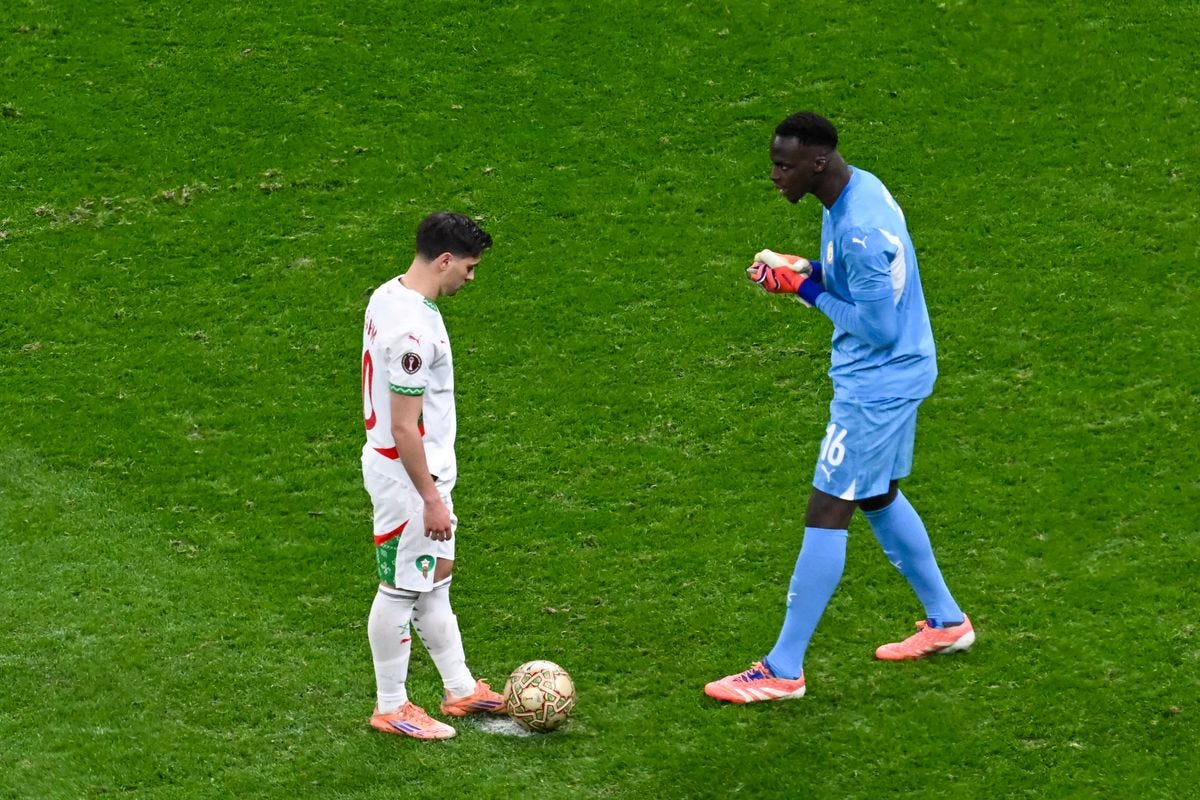
Eventually, they returned. The game resumed. Brahim Díaz stepped forward, his Panenka saved with almost casual ease by Edouard Mendy. Extra time followed. Pape Gueye struck. Senegal celebrated. Africa had its champions.
Or so we thought.
CAF’s Hammer Falls
Weeks later, the Confederation of African Football has delivered its verdict. Senegal forfeited the final. Morocco awarded a 3-0 victory.
The reasoning is rooted firmly in regulation. Article 82, refusal to continue a match. Article 84, the punishment, forfeiture and defeat.
It is cold, legal, and absolute.
CAF’s appeal board has not judged the football. It has judged the conduct. And in doing so, it has rewritten history.
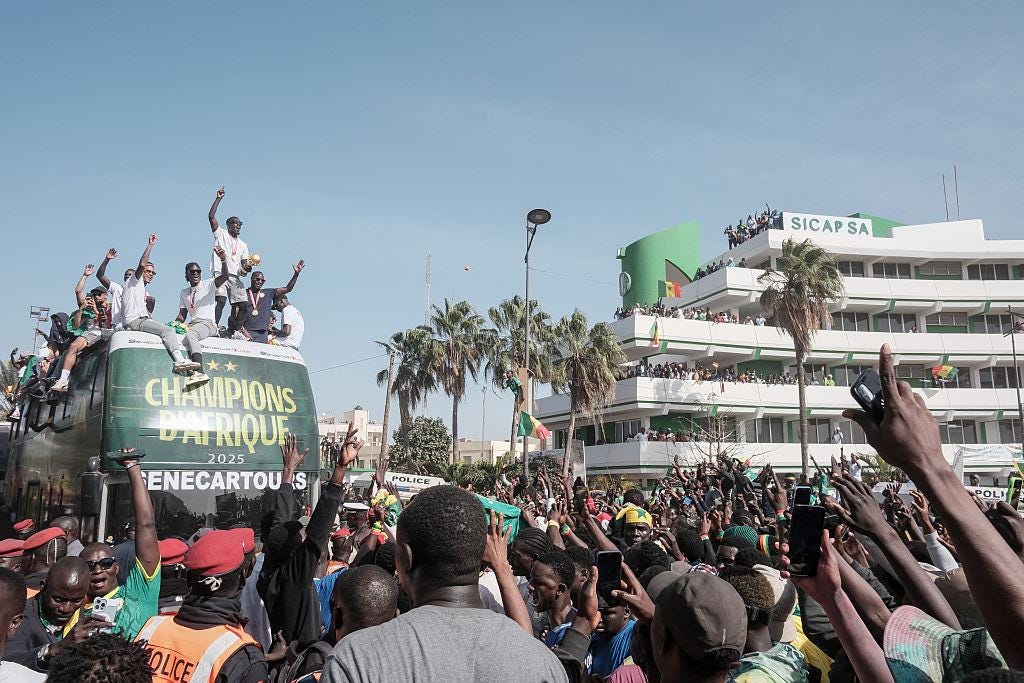
Senegal’s triumph, celebrated by nearly a million supporters in Dakar, has been erased. Morocco, who had not lifted the trophy since 1976, are now champions once more.
Sport vs Regulation, Where Does Football Stand?
This is where the debate truly begins.
On the pitch, Senegal won that final. They regrouped, they scored, they held on. In pure sporting terms, they earned it.
But football is not played in isolation from its laws. Walk off the pitch, and you step outside the game’s framework. That is the crux of CAF’s decision.
Morocco’s federation were careful in their wording. This was never about performance, they said. It was about the application of rules.
And that distinction matters.
Because if the rules are not enforced at the very top level, what message does that send further down the pyramid?
A Title That Will Always Carry an Asterisk
Yet, for all the legal clarity, the emotional ambiguity remains.
Morocco are champions, officially and historically. But this is not a triumph that will ever feel entirely clean. Not to neutrals, not to Senegal, and perhaps not even to Morocco themselves.
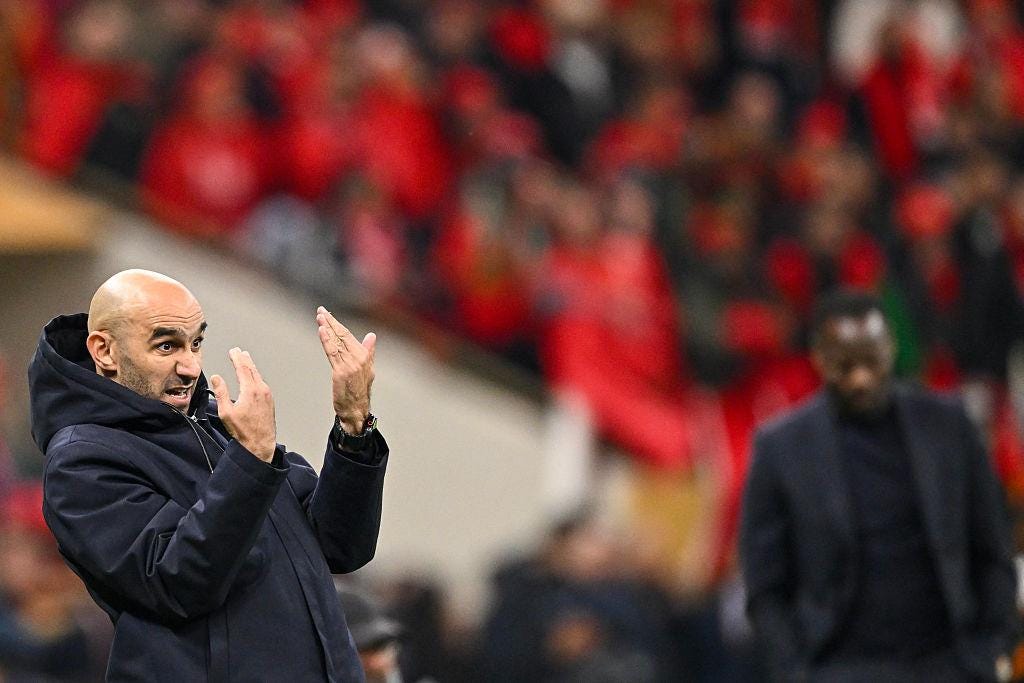
Walid Regragui called Senegal’s actions shameful in the immediate aftermath. FIFA’s president spoke of ugly scenes. Strong words, reflective of a night that spiralled beyond control.
And still, there will be those who look at this outcome and ask a simple question.
Should a final be decided like this?
What Comes Next for Senegal and African Football?
Senegal are expected to appeal. The Court of Arbitration for Sport now looms as the next battleground.
If that appeal proceeds, this story may yet twist again.
But even if the ruling stands, the damage has already been done.
African football has produced a spectacle, but not the kind it would have wanted. Instead of celebrating talent, tactics, and triumph, the conversation is about governance, discipline, and controversy.
And that, perhaps, is the real tragedy of it all.
Final Word
Football thrives on clarity. Goals scored, trophies lifted, champions crowned.
This time, it feels different.
Morocco have their title. Senegal have their grievance. CAF have their ruling.
But for everyone watching, one truth lingers.
This was a final decided twice. And that is something the game rarely forgets.